



5 Proven Strategies to Build a Data‑Driven Culture in Your Organization
In today’s fast‑moving marketplace, data is no longer just a by‑product of operations—it is a strategic asset that fuels accurate, timely decisions and drives competitive advantage. Organizations that harness data to diagnose challenges, spot opportunities, and pivot quickly are the ones that survive and thrive.
Creating a data‑driven culture isn’t a one‑off project; it’s an ongoing journey that requires buy‑in from every employee and clear direction from senior leadership. Below are five expert‑endorsed strategies that can accelerate this transformation.
See also: Are big data analytics more important than the cloud?#1. Articulate a Clear Vision
A compelling vision embeds data into the DNA of the organization. Ideally, the CIO, CDO, or another executive champion presents the vision, outlining the expected benefits and the rationale for the cultural shift. This sets the context, clears misconceptions, and aligns the entire workforce around a common goal.

#2. Ensure Easy, Secure Access to Data
Data is valuable only when it is accurate, well‑proven, and secure. A layered governance framework balances accessibility with compliance, ensuring that employees can retrieve trustworthy data without compromising confidentiality. Implement role‑based access controls, data cataloging, and automated audit trails to support this balance.
#3. Keep Your Data Clean and Up‑to‑Date
Analysis is only as good as the data feeding it. Establish centralized pipelines that collect, cleanse, and update information in real time. Use master data management and data quality tools to enforce consistency, and schedule regular refreshes so decision‑makers always work from the latest insights.

#4. Build Agile, Cross‑Functional Teams
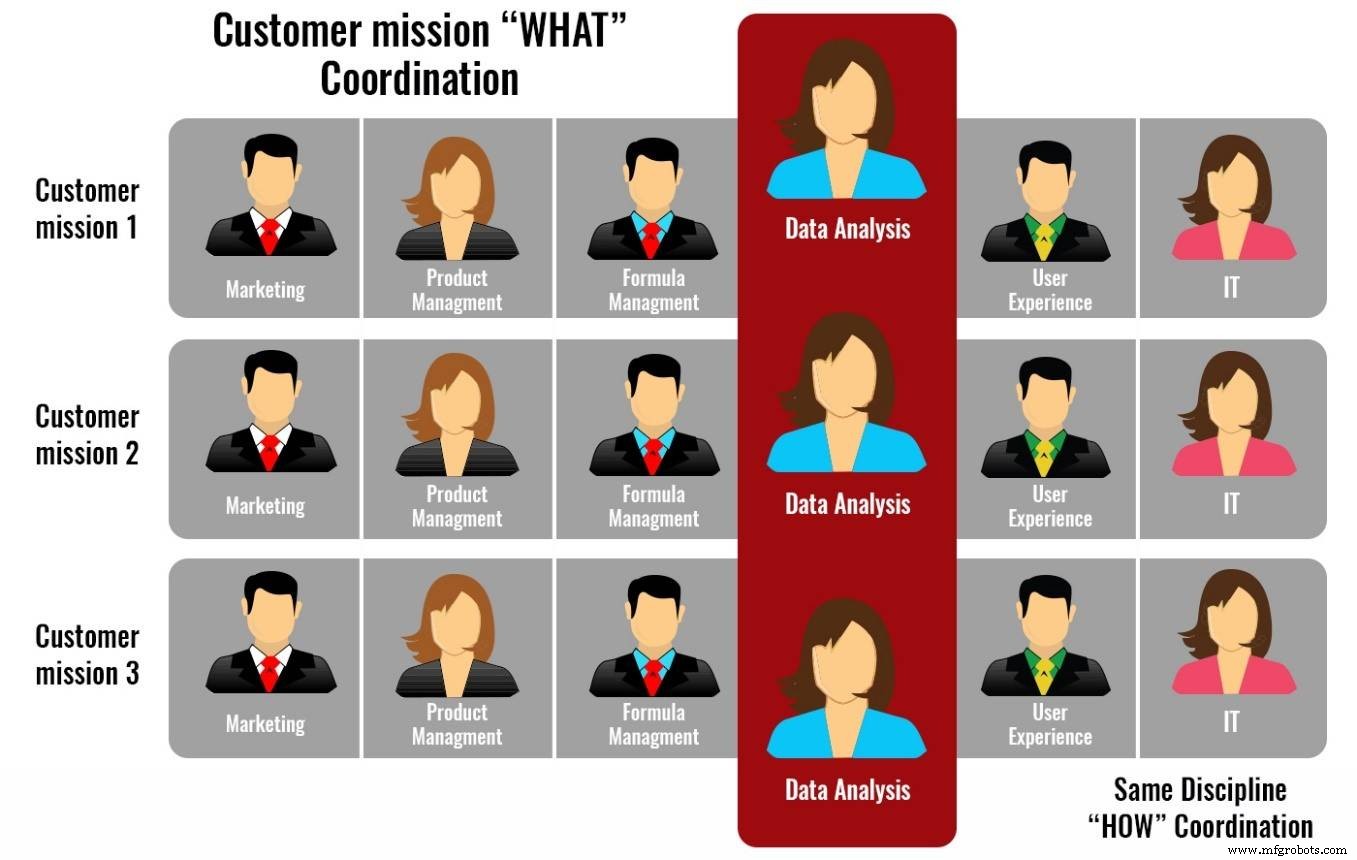
People drive culture more than technology. Ensure every team includes at least one analyst who can translate data into actionable insights. Invest in ongoing training—covering tools such as SAS, R, Python, Tableau, Hadoop, and Spark—to keep skill sets current. Encourage collaboration across departments so diverse perspectives fuel smarter decisions.
#5. Implement Reward Mechanisms
Recognition fuels momentum. Share success stories through videos, blogs, or internal newsletters, and tie rewards to strategic objectives—such as market expansion or customer insights. Align incentives with long‑term goals so teams see the direct impact of data‑driven initiatives on the organization’s success.
When data is communicated effectively and celebrated across the company, it transforms from a static asset into a dynamic engine for growth. Empower employees with the right resources, training, and incentives, and your organization will harness data to make faster, more accurate decisions.
To extract the right insights from both structured and unstructured data, focus on cultivating a culture that empowers every employee to access, analyze, and act on information at the right time.
Internet of Things Technology
- 5 Technological Strategies to Amplify Plant Productivity
- Leveraging IoT and LPWAN to Transform Data Collection in Trade Industries
- Windows 11 for Business: Is It Time to Upgrade?
- USSD: A Low‑Cost Catalyst for Global IoT Connectivity
- How Live Field Data Streamlines Construction Project Management: 4 Key Ways
- 3 Data-Driven Strategies to Safeguard Against Supplier Shortages
- Maximizing ROI: Smart IoT Strategies for Modern Businesses
- 8 Proven Strategies to Drive IoT Project Success
- 5 Proven Data Analytics Strategies to Boost Manufacturing Efficiency
- Harnessing Data-Driven Manufacturing for U.S. Industry Growth