



How Machine Learning Can Safeguard Your Competitive Edge
Business dynamics evolve at lightning speed. Today’s market is more fiercely competitive than a decade ago, and firms must secure and protect any edge they can find.
Digitalization and the adoption of machine learning across daily operations have reshaped the competitive landscape. Algorithms have matured from rudimentary rule‑based systems to sophisticated predictive models that learn from vast data sets.
Early innovations—data integration, visualization, analytics—often faced skepticism. Over time, once their tangible value surfaced, they became industry standards. Machine learning follows the same trajectory.
See also: How to start incorporating machine learning into enterprise
Embedding structured data into business workflows to derive actionable insights is not a new idea. In the past, only governments accessed such data to shape defense strategies, like the Enigma project. Today, open‑source, cloud‑based platforms democratize data access, turning data into a commercial asset.
Companies now treat data as knowledge—and knowledge as power. Data is arguably the most valuable corporate asset. Organizations invest heavily to gather, refine, secure, and protect data, knowing that the right insights can reveal competitive advantages and expose vulnerabilities.
Realizing the full potential of data integration requires the right data architecture. A data‑driven organization rests on four foundational pillars.
Four key elements
A robust data management system hinges on these four interdependent components:
- Hybrid data management
- Unified governance
- Data science and machine learning
- Data analytics and visualization
Hybrid data management ensures data is both accessible and reusable. The first step toward a data‑driven culture is making data available across the organization. Once accessibility is achieved, aligning all departments around a unified data model streamlines information flow.
Gaps in inter‑departmental communication can stifle data flow, turning collaboration into chaos rather than a catalyst for efficiency.
Traditional data governance imposed strict controls that limited access. Modern governance balances openness with security, enabling controlled access while safeguarding privacy. The EU General Data Protection Regulation (GDPR) exemplifies this balance; read Rob Thomas’ GDPR session for deeper insights.
Data engineering turns raw spreadsheets into actionable knowledge. Analytical techniques filter noise, while visualization tools translate complex patterns into intuitive insights, empowering stakeholders across the organization.
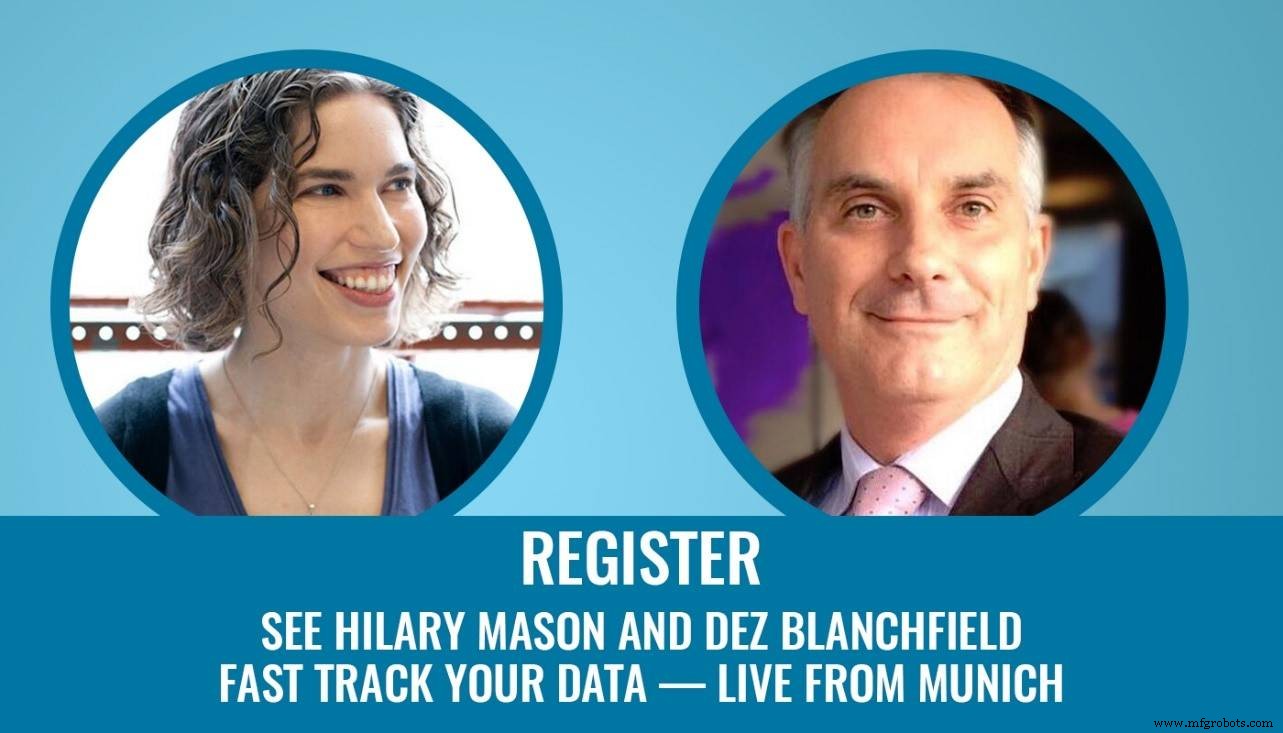
Want to dive deeper? Register now for the upcoming live session featuring industry leaders Hilary Mason, Dez Blanchfield, Rob Thomas, Kate Silverton, Seth Dobrin, and Marc Altshuller.
Follow me on Twitter and LinkedIn for ongoing updates on machine learning and data integration.
Internet of Things Technology
- How Robust Data Management Drives Machine Learning and AI in Industrial IoT
- Unlocking IoT Data: How Business Rules Management Drives Enterprise Value
- Cloud Misconception #3: The Cloud Is Not an Irresponsible Business Choice
- Boost Asset Availability with Advanced Machine Learning – Proven Industrial Success
- How AI, Data Science, and Machine Learning Drive Next‑Generation Website Design
- IoT Advantage: Turn Your Network into a Business Growth Engine
- Turning IoT Data into Business Value: A Practical Guide
- How CNC Machines Can Drive Business Growth and Boost Efficiency
- Automating Data Quality to Accelerate AI & ML Success
- Accelerate Business Insights with Automated Data Science & Machine Learning Solutions