



Unlock Hidden Savings: How Real-World Machine Data Can Cut Parts Costs
Ever wonder if your machines are over‑designed? Many manufacturers unknowingly over‑specify parts, driving up costs without adding value. By harvesting and analysing field data, you can identify components that consistently outperform their design limits and safely reduce safety margins, resulting in significant cost savings and a competitive edge.
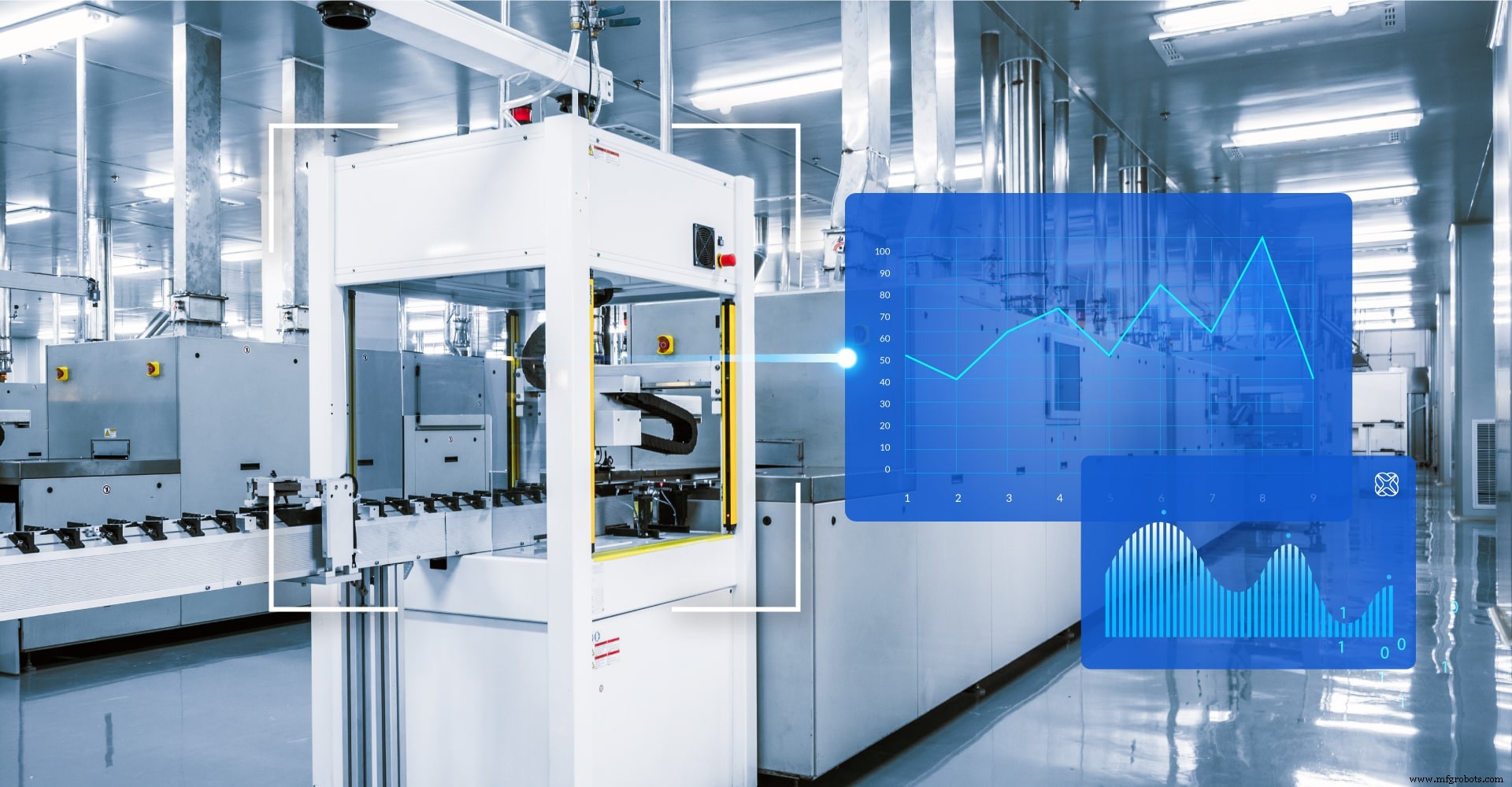
Data‑driven decision making—leveraging AI, neural networks, and machine learning—is a buzzword in manufacturing. However, many machine builders find these tools too complex or costly to integrate into existing automation platforms. The alternative is a pragmatic, low‑investment approach: learn directly from the machines in the field.
Learning From Your Machines vs. Full‑Scale Machine Learning
While AI‑driven optimisation is promising, it isn’t yet a universal solution—especially for small to mid‑size builders. Most focus on delivering high Overall Equipment Effectiveness (OEE) and maintain a strict “never touch a running system” policy. The realistic next step is to monitor new machines as they operate, gather performance data, and refine designs based on real-world evidence.
Root‑cause analysis already identifies weak points, but only data analysis reveals whether parts truly need the current safety margin. If a component never reaches its design limit, the margin can be safely reduced without compromising reliability.

Business Benefits of Data‑Driven Redesign
By benchmarking performance across your fleet, you may discover that certain parts “never fail” or operate well below expected loads. This insight can drive:
- Reduced material and manufacturing costs
- Lowered safety margins and design criteria
- Improved product differentiation and customer value
Without this feedback loop, competitors may capitalize on cost reductions, leaving you at a disadvantage.
Case Study: Redesigning a Conveyor Belt
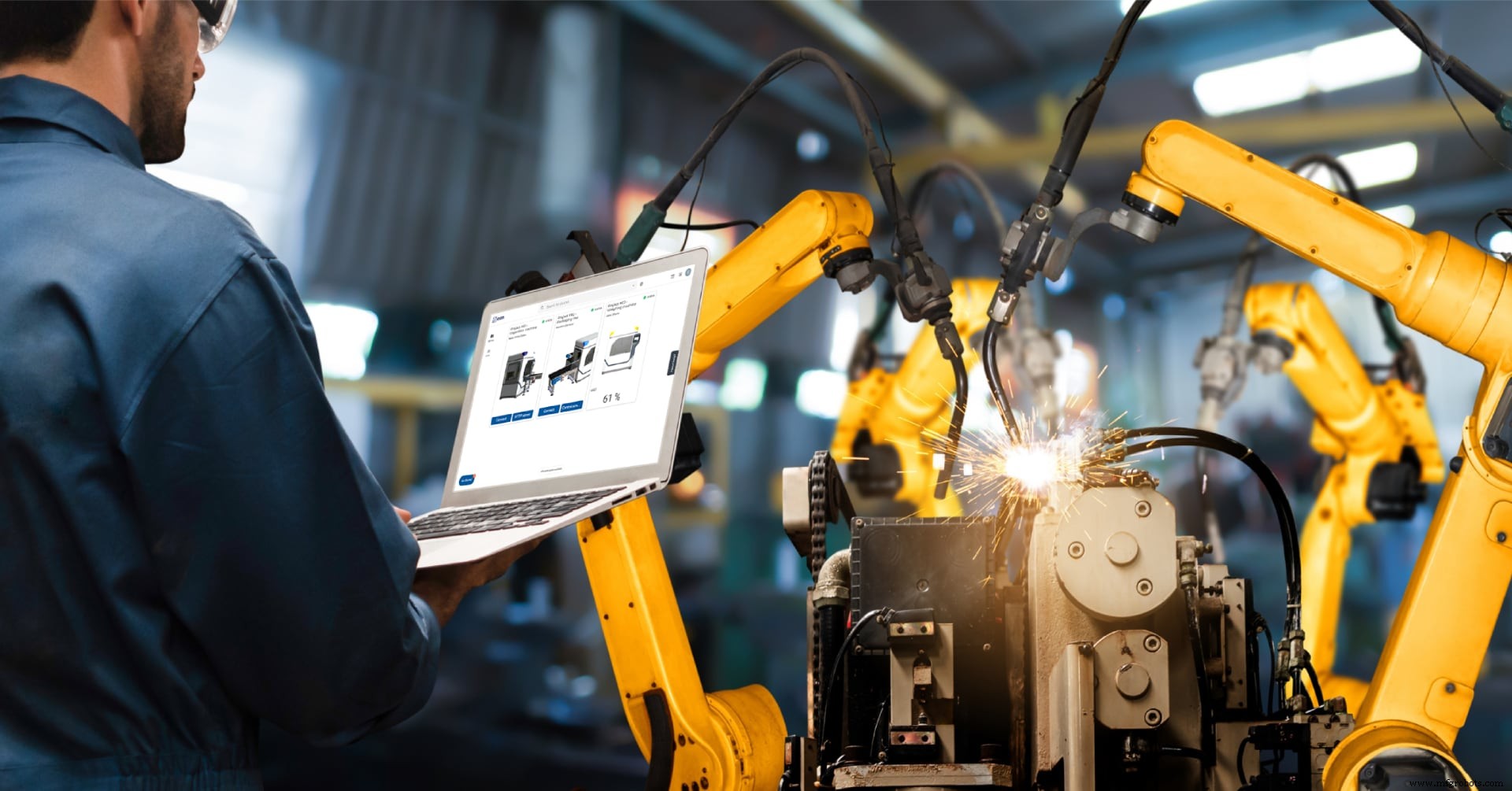
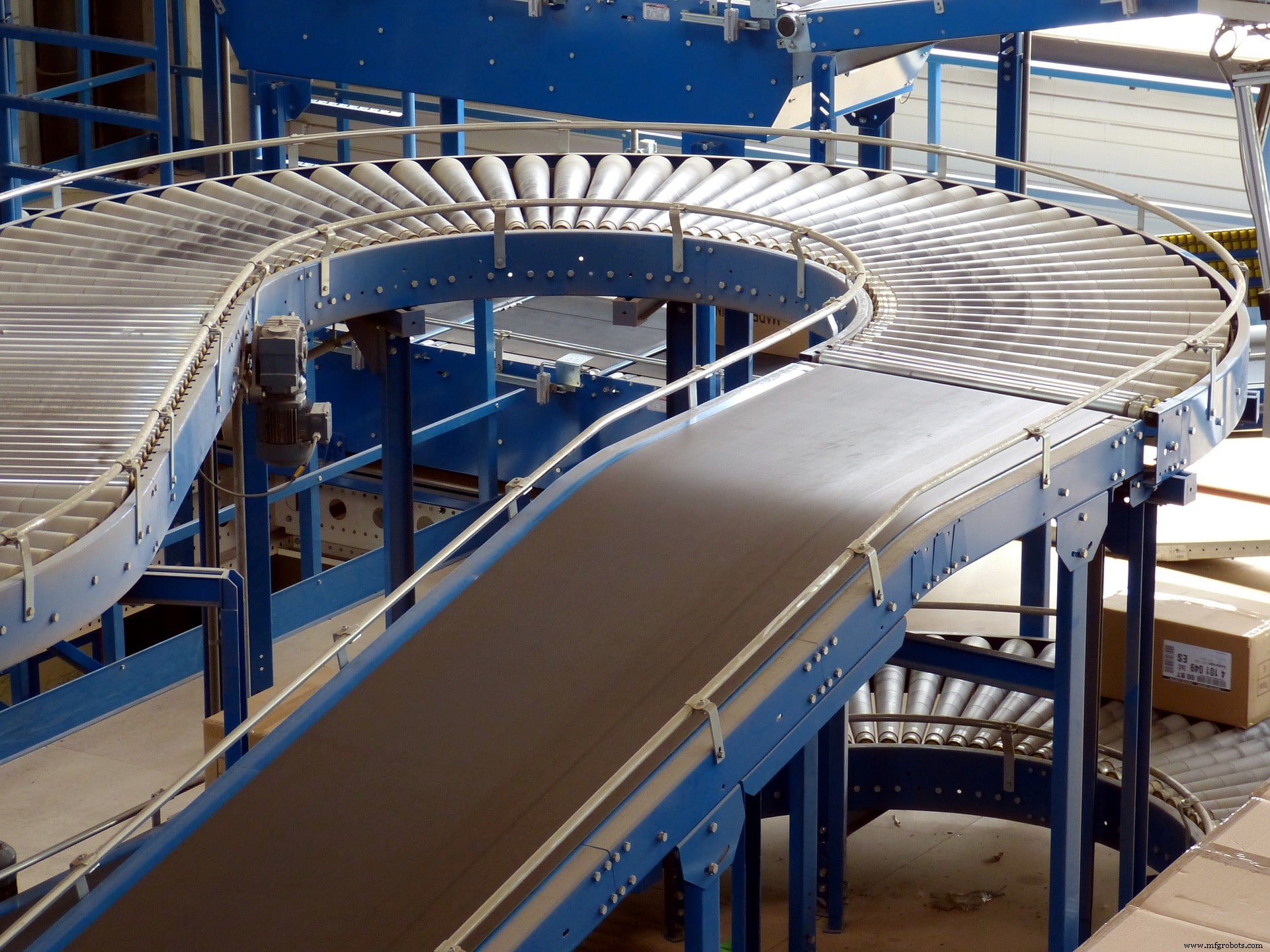
Initial design required a drive capable of 4 Nm @ 200 RPM with a 20% safety margin, yielding a specification of 4.8 Nm. After deploying sensors and cloud analytics, real data showed the RMS load never exceeded 3.8 Nm. Adjusting the design to 4 Nm saved material costs and allowed a reassessment of the safety margin, ultimately reducing production costs without compromising performance.
Ready to evaluate your own parts for potential savings?
Building a Low‑Investment Machine Learning Strategy
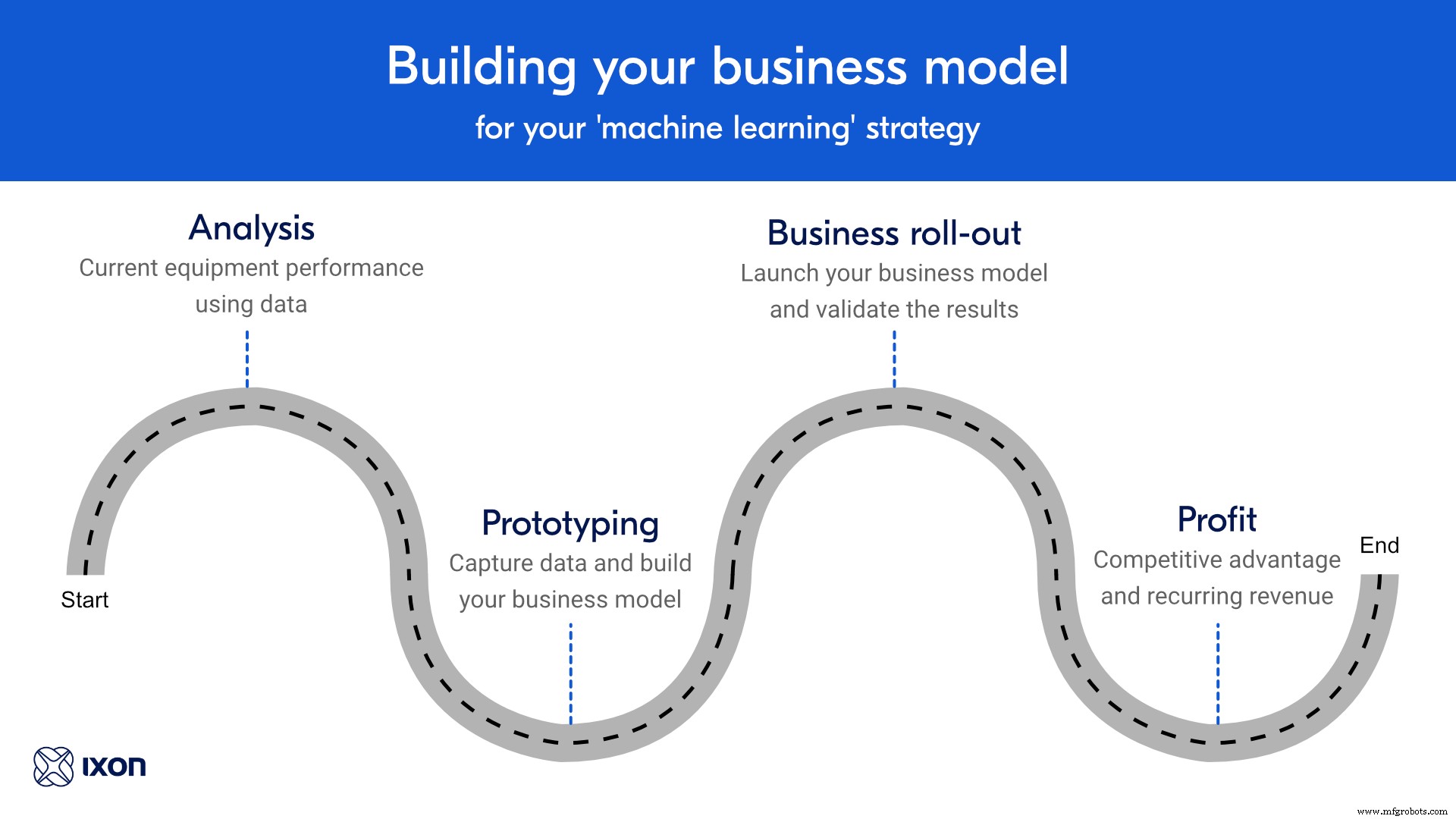
Below is a practical roadmap to start learning from field data without heavy AI deployment:
- Baseline Performance Assessment – Identify parts with frequent replacements, collect PLC variables that correlate with wear, and use an edge gateway to ship data to the cloud.
- Prototype & Testing – Define minimum and maximum load limits, perform in‑house tests to confirm hypotheses, and adjust design parameters accordingly.
- Business Model Roll‑Out – Integrate revised safety margins into the next product generation, track ROI, and scale the approach across the portfolio.
Turn Data Into Profit
Lowering safety margins on over‑designed parts can boost margins and give you a decisive market advantage. If you’re unsure how to start, consult one of our industry experts—no obligation.
[[Free expert consultation]]
Internet of Things Technology
- Grow Revenue by Predicting Critical Part Failures
- Understanding Milling Machines: Functions, Applications, and Basics
- When to Sell Your CNC Machine: A Strategic Guide for Maximum Return
- Milling Machines Explained: Components, Operation & Diagrams
- Understanding Drilling Machines: Definition, Components & Types
- Shaper Machines Explained: Definition, Components, and Operation
- Milling Machines Explained: Parts, Operations, and Diagrams
- Shaper Machine Explained: Definition, Components, and Operation
- Drilling Machine Explained: Definition, Components, and Types
- Vegetable Vending Machines Explained: Key Features & Benefits