



Grow Revenue by Predicting Critical Part Failures
Critical machine‑part failures cause lengthy downtime and costly on‑site repairs. A data‑driven predictive maintenance service anticipates these failures, boosting uptime and adding value to your service contracts.
Many production lines rely on components with long design lifetimes, yet those parts often fail before the machine itself reaches end of life. When a critical part breaks, the impact on production is severe and customers typically lack spare parts in stock. Continuous condition monitoring reduces this risk by flagging deterioration before a breakdown occurs.
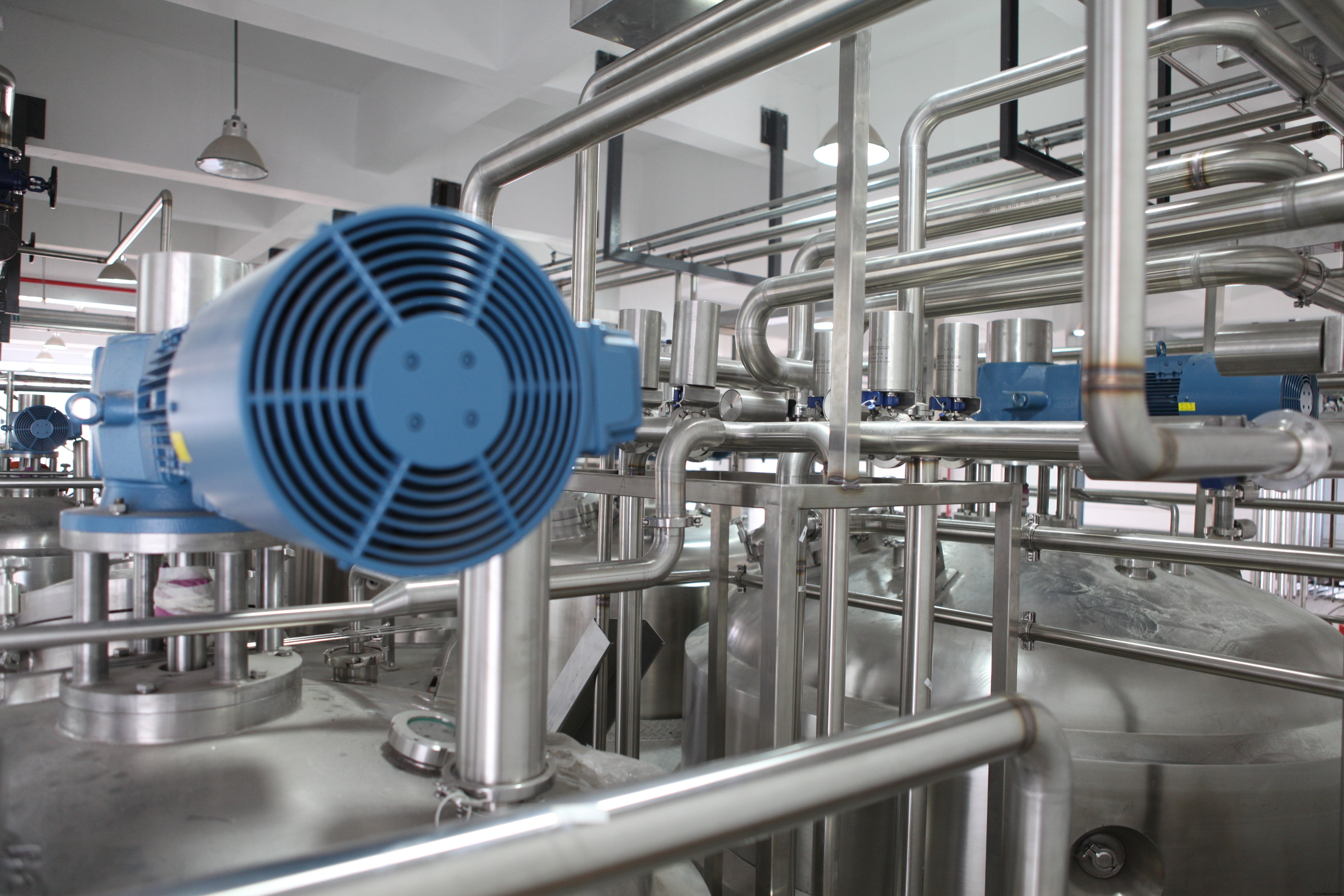
The Impact of Failing Critical Machine Parts
Unlike standard wear‑and‑tear components, many parts are bespoke and only available for specific machine models. Replacing them requires specialised parts and skilled technicians, extending repair time and affecting production schedules and brand reputation. Predicting these failures using PLC data or additional sensors can dramatically shorten downtime.
Data Science in Manufacturing to Predict Part Failures
Experienced service engineers already detect issues by listening to vibrations or analysing sound. By combining that expertise with machine data—such as rotations, vibrations, ultrasonic noise, temperature, current draw, or oil consumption—companies can identify wear patterns that precede failure. Comparing live data against known fault signatures turns routine sensor readings into actionable insights, available 24/7/365.
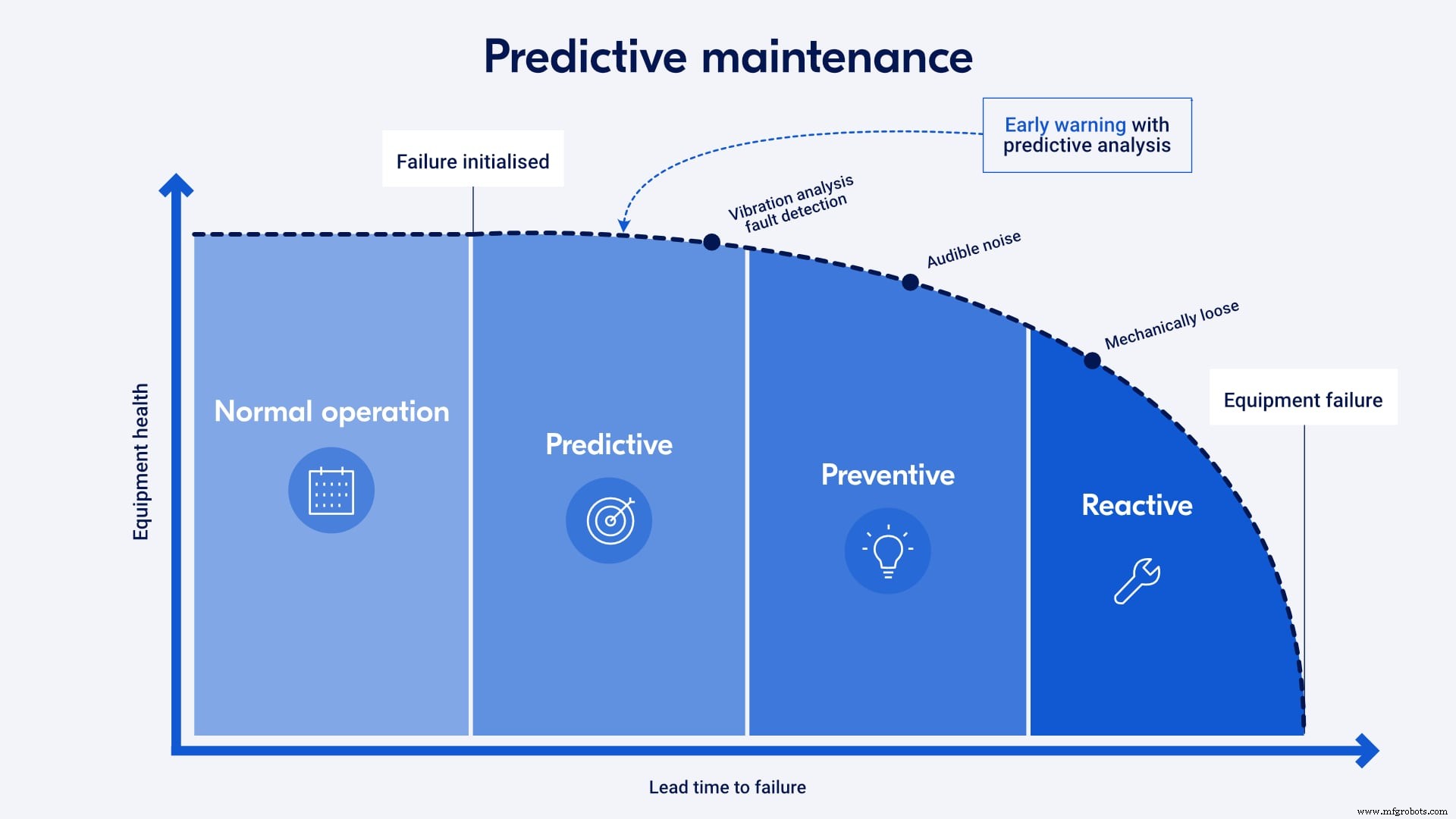
Benefits of Offering a Predictive Maintenance Service
Knowing a failure is imminent lets you replace parts during planned maintenance windows, limiting production impact. This proactive approach increases contract value, saves customers from costly downtime, and strengthens loyalty. A real‑time monitoring system that triggers alarms based on recognised failure patterns raises machine uptime and turns unplanned downtime into predictable, billable events—directly driving new revenue streams.
Use Case: Predictive Monitoring of a Pump’s Vibration
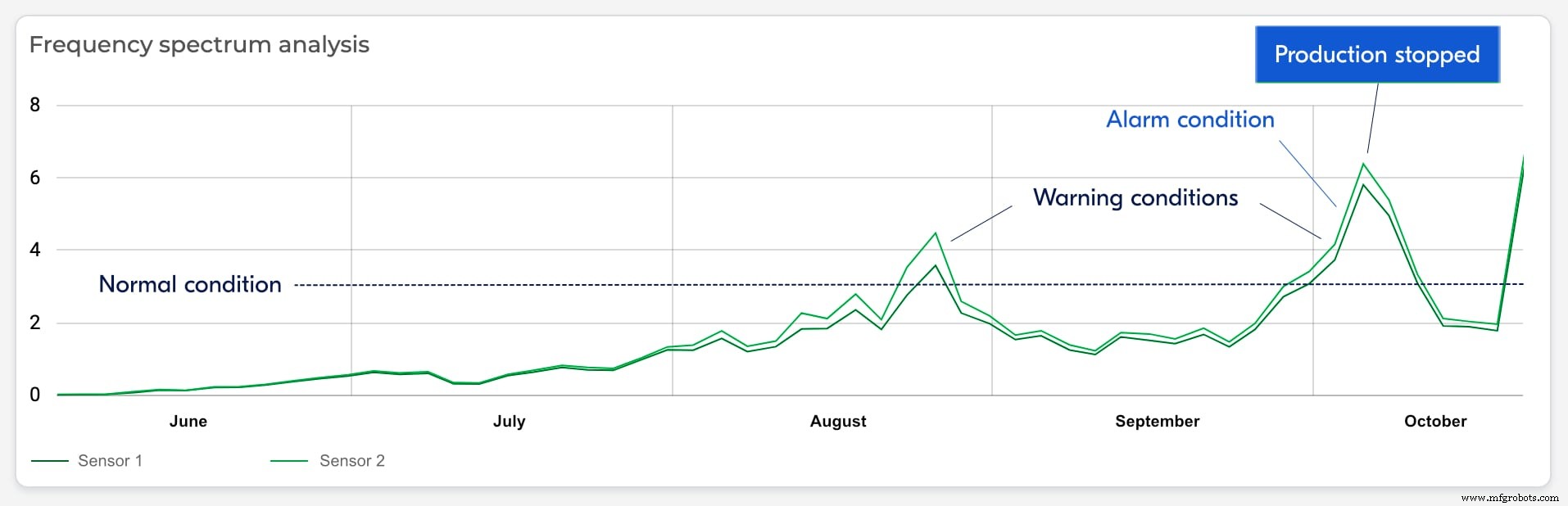
Worn bearings in a pump generate abnormal vibration, temperature spikes, displacement, and oil debris. Alerting customers early enables coordinated replacement, minimizing disruption. Effective monitoring identifies root causes, prevents recurrence, and can uncover related faults. Collaboration between engineers, after‑sales specialists, and data scientists produces robust predictive models that underpin a successful monitoring strategy.
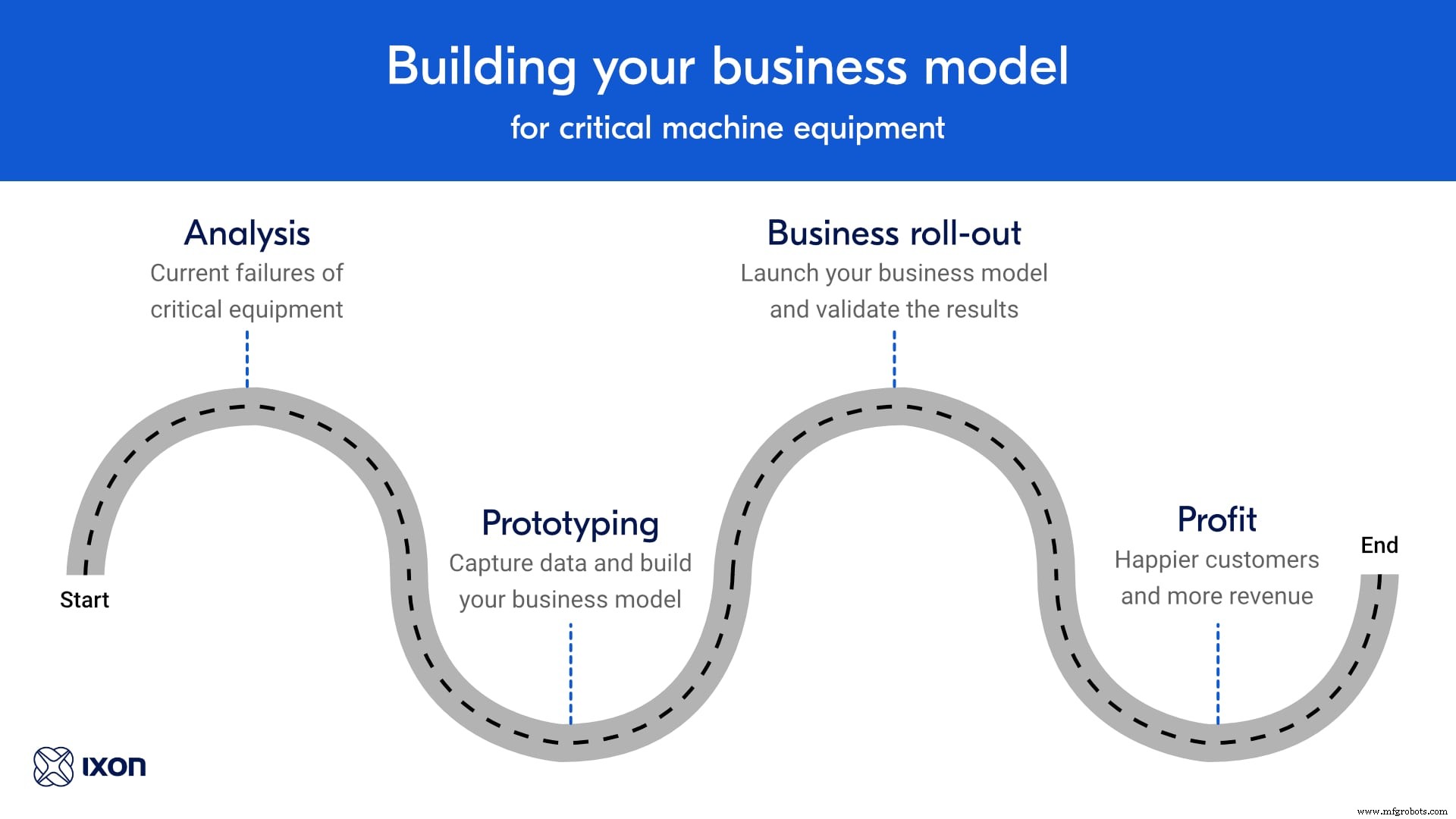
Building a Critical Equipment Monitoring Strategy
Below is a streamlined approach to expanding your service offering with preventive monitoring:
1) Starting Point – Analyze Current Critical Part Data
Identify parts that most significantly affect production due to long lead times and the need for specialist repair. Verify whether relevant data—ideally already available on PLC or via existing sensors—show clear statistical correlation with part condition. Prefer existing sensors over adding new ones to reduce failure risk. Collaborate closely with data scientists, after‑sales, and development engineers to filter true patterns from noise, then craft a project plan and test protocol.
2) Prototyping – Test & Refine Models
Conduct in‑house experiments on machines or sub‑assemblies to validate hypotheses and refine predictive models. Deploy field tests on selected production units, gathering data to confirm real‑world effectiveness. This iterative cycle ensures the service delivers tangible value without overpromising.
3) Business Model Roll‑Out
Determine how to translate added value into revenue and brand differentiation:
- Is this an incremental revenue stream, or can it become a key differentiator for your machines?
- What is the cost of a production hour for your customer, and can you price the service to offset that while improving workflow?
Boost Revenue with Predictive Maintenance
Prevent critical failures, delight customers, and grow profitability by integrating preventive maintenance for critical equipment into your service portfolio.
Need help defining a digital strategy and unlocking value from data science? Schedule a no‑obligation consultation with one of our industry experts.
[[Free expert consultation]]
Internet of Things Technology
- Mastering Post‑Processing for SLA Prints: From Cleaning to a Professional Finish
- Unlock Hidden Savings: How Real-World Machine Data Can Cut Parts Costs
- Quickly Label 3D Printed Parts with Engraver Filler – A Proven, Easy Method
- Harnessing IoT Data for Manufacturing Excellence
- When to Replace Your CNC Machine: 3 Key Indicators
- How CNC Machines Can Drive Business Growth and Boost Efficiency
- Essential Spare Parts for Reliable CNC Router Operation
- Selecting the Right Machine Parts Supplier: A Practical Guide for Construction Projects
- Boost Productivity with VMC Machines: Advanced Precision & Efficiency
- Essential Parts of a Lathe Machine: Functions & Overview