



Mastering Post‑Processing for SLA Prints: From Cleaning to a Professional Finish
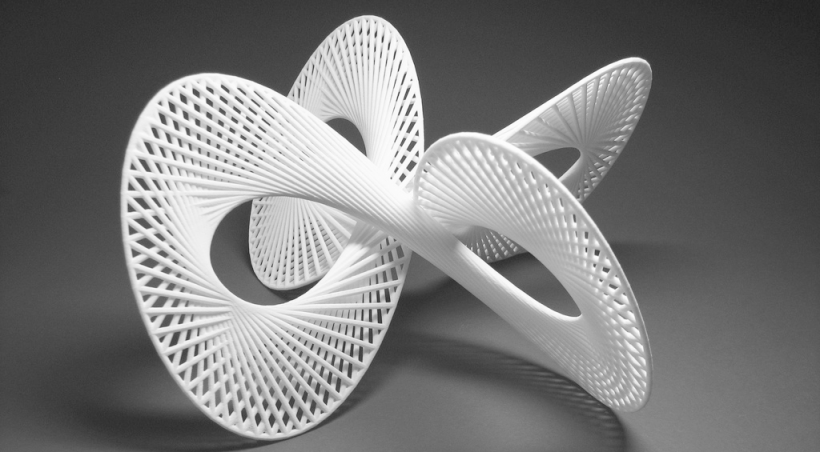
As the pioneering 3D‑printing method, stereolithography (SLA) delivers parts with exceptional accuracy and ultra‑smooth surfaces at a fraction of the cost of other techniques.
However, achieving a truly first‑class finish requires a deliberate post‑processing routine. Because SLA builds rely on removable support structures, a careful sequence of cleaning, support removal, curing and finishing is essential.
Post‑Processing Steps for SLA
- Clean your SLA print
Once the part has been extracted from the build plate, rinse it in 99 % isopropyl alcohol (IPA). Submerge the print for 10–20 minutes, then allow it to dry completely. This removes uncured resin and any adhesive residue.
- Remove support constructs
Support structures are made from the same resin as the part, so they must be taken down manually. For larger prints, a pair of pliers works well; for intricate details, a razor blade or X‑Acto knife provides finer control. Removing supports promptly after washing helps prevent warping.
- Post‑curing (optional but recommended)
Post‑curing finalizes polymerisation, boosting strength and dimensional stability. Place the part in a UV oven or under a UV‑powered light for 10–20 minutes, rotating once or twice. Natural sunlight can also be used if a UV source isn’t available.
Finishing Options for Your SLA Print
With a range of techniques, you can transform a raw SLA part into a showroom‑ready component.
SandingAfter support removal, hand‑sand the surface to smooth out marks and layer lines. Start with a low‑grit paper, then progress through at least four successive grits, finishing with the finest grit you can handle. For delicate areas, use a gentle touch to preserve fine details. Mineral oil can be applied after sanding to even out the texture.
PrimingTo prepare for paint, apply a light coat of aerosol primer. Three to five thin layers, each applied every 10–15 minutes, seal the surface and hide residual layer lines. If minor imperfections appear, a quick pass with 800‑grit sandpaper a few hours after the final coat restores smoothness.
Spray PaintingOnce primed, spray paint the part in a well‑ventilated area. Clean with a tack cloth first, then spray in multiple passes, rotating the piece for uniform coverage. Two to three coats typically suffice. A clear gloss varnish finalizes the finish, giving it a polished, professional look.
Safety & Best Practices
- IPA is a volatile solvent—wear goggles, latex gloves, and work in a well‑ventilated space.
- Balance washing time: too short leaves resin residue; too long can degrade the part’s integrity.
- Remove supports after IPA cleaning to reduce warping risk.
- Wear gloves while sanding to protect hands from resin dust.
3D printing
- How to Achieve Vivid, Long-Lasting Colors in SLS 3D Printing
- Professional Finishing Techniques for FDM 3D Prints
- Metal Plating for 3D Printed Parts: A Practical, Expert Guide
- Should You Finish 3D‑Printed Parts In‑House or Outsource? A Practical Guide
- 4 Expert Techniques for a Flawless Finish on FDM 3D Prints
- Quickly Label 3D Printed Parts with Engraver Filler – A Proven, Easy Method
- Top Bare‑Metal Finishes for Sheet Metal Parts & Enclosures – Expert Guide
- Selecting the Ideal Material for Your Injection‑Molded Component
- Select the Ideal Surface Finish for Your CNC-Machined Components
- Bead Blasting: The Ideal Surface Finish for CNC Machined Parts?