



Bead Blasting: The Ideal Surface Finish for CNC Machined Parts?
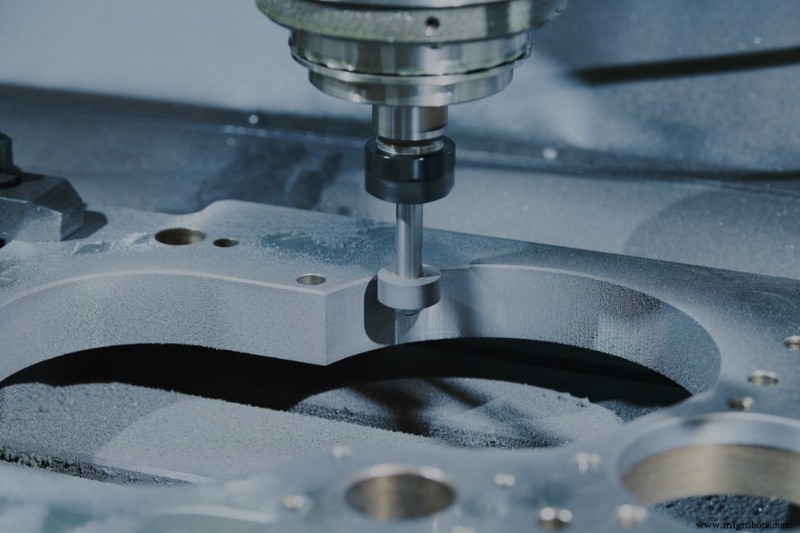
Surface finishing is the final step in the CNC machining process, and it’s very important for creating a functional and beautiful CNC machined part. Applying a finish to a CNC machined surface can improve a component’s appearance, remove flaws and excess material, provide additional resistance or strength, and so much more.
There are many different surface finish options for CNC machined parts, from as-machined to anodized to powder coated. In this article, we’ll take an in-depth look at bead blasting, which is one of the more affordable surface finishes available.
What is bead blasting?
The bead blasting process uses a blasting media – beads – under high pressure. Propelling the beads at a surface cleans, polishes, or roughens the surface to the desired finish. These beads are shot out toward the component from a high-pressure bead-blaster. When the beads hit the surface, the impact creates a uniform “dimpling” on the surface. A bead blast finish can clean corroded metal, remove cosmetic defects like textures and contaminants, and prepare a part for paint and other coatings.
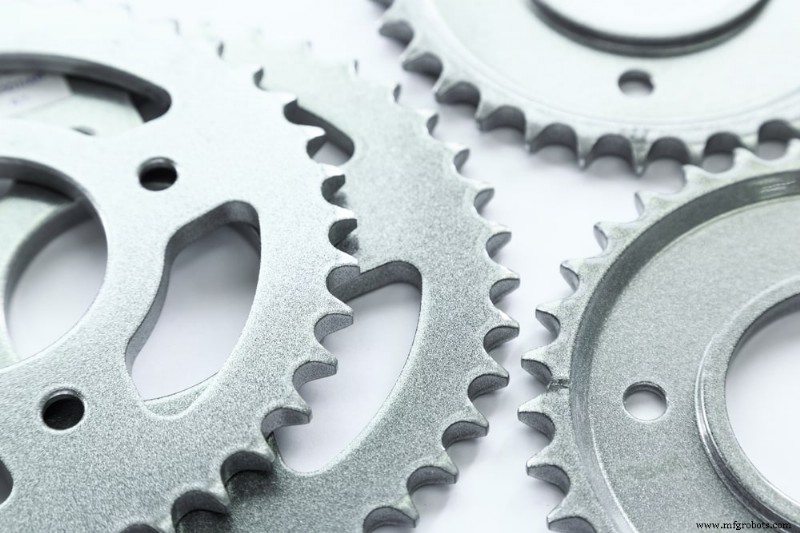
You can use steel beads or glass beads for a bead blast surface finish. Steel beads are tough and are often used to clean contaminants and remove unwanted textures from hard metal surfaces. Glass or quartz sand beads are gentler than steel and are the primary type of bead used for bead blasting. This is because glass bead blasting leaves a more smooth, uniform surface finish on a material than steel beads. Glass bead blasting is also more variable because the size of the glass bead changes the quality of the finish it will impart. Fine glass beads leave a “dull” or “satin” smooth finish that’s a cross between a dull and high-gloss finish. Coarse glass beads yield uniform roughness and mask any imperfections.
The pros and cons of bead blasting
A bead blast finish leaves your CNC machined part with a smooth, clean, and aesthetically pleasing surface. Bead blasting can be used on a variety of materials — manufacturers can apply bead blasting to hard metals like aluminum, titanium, and stainless steel, as well soft metals like brass or copper, and even plastic.
Here are some other key benefits product teams should keep in mind:
- Bead blasting is one of the more affordable, less aggressive surface finish options available.
- Bead blasting doesn’t change the base color of a component, resulting in a brighter surface finish.
- Bead media can be reused many times before needing replacement, and glass beads can be recycled up to 30 times.
- Bead blasting is eco-friendly. Glass beads can be made from a lead-free, soda-lime glass type that doesn’t leave harmful residue in water supplies.
- Some surfaces on a part can be masked from bead blasting if desired; however, doing so is a manual process that adds to labor time and cost.
These benefits notwithstanding, glass bead blasting does come with a few drawbacks.
- Bead blasting is a reductive finish, which means it removes a small amount of material from the part. If your component requires strict tolerances, this is a critical consideration.
- It takes longer to bead blast tougher surfaces.
- Although glass bead blasting is the more popular option, it doesn’t allow for paint adherence because it doesn’t leave a profile (steel blasting, on the other hand, can do this).
- Bead blasting requires a trained operator and must be executed manually. The final bead blasting result will largely depend on the skill of your operator.
Bead blast finishing with Fast Radius
Bead blasting is a flexible, multi-purpose surface finish that involves shooting high-pressure glass or steel beads at a CNC machined component. A bead blast finish can clean your part’s surface and improve the overall appearance, creating a uniform surface with a dull, satin, or rough texture. Bead blasting could even harden a component’s surface and enhance its durability.
If you’re seeking a reliable, eco-friendly, and cost-effective way to give parts a beautiful and consistent surface, consider applying a bead blast finish. At Fast Radius, we can help you determine when and where to apply a bead blast finish and pick the type of bead blast surface finish that’s right for your part. Contact us today to learn more.
For tips on choosing the best finish for your CNC machined part, visit the Fast Radius resource center.
Ready to make your parts with Fast Radius?
Start your quoteIndustrial Technology
- Fiber Laser Cutting: The Optimal Choice for Modern Metal Fabrication Projects
- Choosing the Ideal SPI Surface Finish for Injection Molded Parts
- Selecting the Ideal Metal for Your Custom Enclosure or Part: A Practical Guide
- Choosing the Right Inventory System for Your Warehouse: A Practical Guide
- Choosing Predictive Maintenance: A Smart, Data‑Driven Decision for Your Business
- Selecting the Ideal LED Driver for Your Lighting Projects
- Choosing the Optimal CNC Machining Materials for Superior Part Performance
- Selecting the Ideal Material for Your Injection‑Molded Component
- Select the Ideal Surface Finish for Your CNC-Machined Components
- Choose the Perfect Positioner for Your Welding Application