



Choosing the Right Inventory System for Your Warehouse: A Practical Guide
Inventory management combines software, hardware, and processes to create a complete system for controlling a company’s assets. The use of an inventory management system can improve inventory accuracy and reduce the chance of logistics issues and stock-outs. Many businesses today have moved beyond manual inventory tracking techniques and upgraded their infrastructure to support automation technologies.
For example, implementing inventory tags and warehouse barcode labels that can be quickly and accurately scanned with a barcode scanner helps to speed warehouse processes and eliminate human error in documentation (Read more about inventory tags in “The Expert’s Guide to Inventory Tags“).
Warehouse labels range from warehouse rack labels to long-range retro-reflective barcode labels, barcode labels for returnable containers and totes, pallet barcode labels, and even custom warehouse signs like warehouse aisle signs that enable warehouse staff to quickly locate the correct pick locations.
In this post, we’ll discuss how to choose the right inventory system for your warehouse. We’ve outlined a few important steps that, when taken together, will help you select the right tools for your operation’s unique needs. Supply chain visibility relies on accurate inventory counts and the ability to adjust local warehouse procedures as demand shifts. Consider implementing a few of the following tips when creating or improving your warehouse inventory system.
Define Your Inventory Management Needs
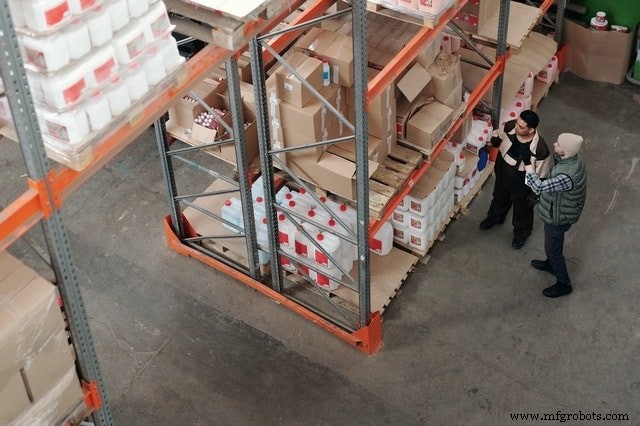
An important first step when choosing an inventory system is to define the needs of your warehouse. Take time with your team to review your current warehouse layout, future expansion plans, and regulatory requirements. If multiple locations will be connected with the same inventory system, it may also be necessary to discuss local inventory requirements that may require special hardware or software support. This is also a good time to review your current key performance indicators (KPIs) to see if they can be updated or improved with a new reporting system. The following key decisions should also be made prior to selecting any inventory system components:
- Server and Cloud Access. Your existing IT infrastructure should support your chosen inventory system. Many inventory management programs can be installed with a server-based (local) or cloud-based deployment. It’s important to choose a system that meets your needs for data security and remote access.
- Inventory Method. The workflow of your warehouse is the main roadmap for all operations that take place onsite. Your inventory system must support these important steps and be implemented in a way that adds value without creating an administrative burden. For example, choosing between a Last-In First Out (LIFO) or First-In First Out (FIFO) inventory methodology will fundamentally determine how you set up your warehouse workflows and inventory system.
- Warehouse Layout. The layout of the physical space in the warehouse is usually set based on local inventory practices such as picking, packing, and shipping. If any changes to your rack layout are necessary, it may be helpful to complete them prior to upgrading your inventory system. You may also be able to identify ways to increase available storage space within the warehouse if new technology, such as long-range reflective rack labels, allows you to increase the height or depth of storage.
These are just a few examples of the factors to consider when defining your inventory management plans. Once your key requirements are defined, the rest of the selection and implementation process will be much easier. It’s also recommended to review your requirements with your chosen vendor(s) to ensure that there are not any crucial considerations that may have been overlooked.
Choose the Right Type of Software

No software system exists in a vacuum. When selecting an inventory system, you should always consider all other software tools that are being used. Several software types can support inventory management including Warehouse Management Systems (WMS), Enterprise Asset Management (EAM) platforms, Computerized Maintenance Management Systems (CMMS), and Transportation Management Systems (TMS). Choose a central program that will manage your inventory needs and look for software that supports third-party integrations for the other tools you are using.
Ensure Support for the Latest Technology
It’s also important to choose an inventory system that can be easily scaled to meet your future warehouse needs. A warehouse is a dynamic environment that is constantly evolving as inventory and customer needs shift. Identifying inventory systems that support the latest technology will help you get the most out of your investment. This can include hardware support for QR codes, RFID tags, and long-range barcode scanners. Additional considerations include mobile device support, artificial intelligence (AI), and the ability to connect Internet-of-Things (IoT) devices.
Choosing an inventory system is a big decision that will have a long-term impact on your warehouse operation. In addition to choosing software, it’s also important to think about hardware requirements and the development of local procedures. Inventory management features are used by several departments within a company, and cross-functional collaboration will be helpful during the selection process. We hope the basic steps outlined in this post will help you choose an inventory management system that meets your warehouse needs and allows you to maintain a controlled and safe working environment.
Industrial Technology
- Choosing the Ideal Material for Your Handwheel: A Practical Guide
- Selecting the Ideal Metal for Your Custom Enclosure or Part: A Practical Guide
- Selecting the Ideal Material for CNC Machining: A Practical Guide
- Selecting the Ideal Crane for Your Construction Project: A Practical Guide
- Choosing the Ideal Adhesive for Barcode Labels: A Practical Guide
- Warehouse Management Systems Explained: Benefits & How to Pick the Right WMS
- Choosing the Ideal Warehouse Labels: Boost Productivity & Safety
- Selecting the Right Barcodes for Your Facilities Management Software
- Selecting the Ideal LED Driver for Your Lighting Projects
- Choosing the Right Air Filter: A Practical Guide for Optimal Compressor Performance