



4 Expert Techniques for a Flawless Finish on FDM 3D Prints
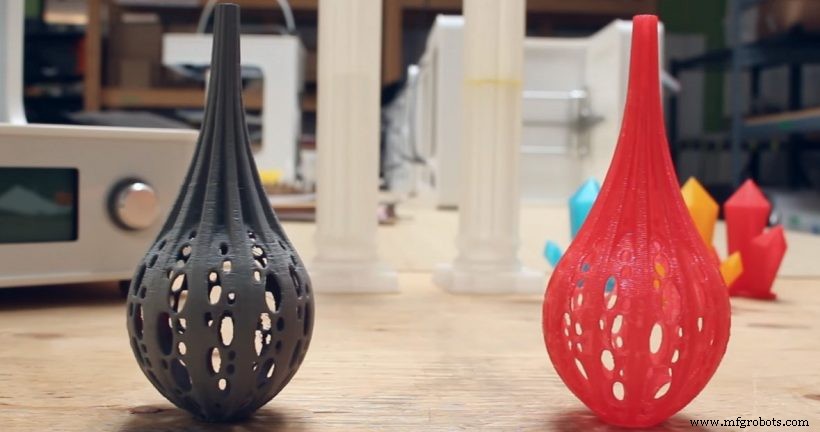
When crafting an FDM part, the final appearance is just as vital as its functional performance. FDM is ideal for functional prototypes, low‑volume production, and concept models, but achieving a polished look requires deliberate post‑processing steps.
In this guide we’ll walk through four proven methods to finish FDM parts professionally, and highlight key considerations that prevent common pitfalls.
1. Remove any support structures
Support material is essential for bridging gaps during printing, but it must be removed cleanly to avoid surface blemishes. Two primary approaches exist:
- Manual removal: A pair of pliers can quickly snap supports off, but contact points often leave marks that need sanding.
- Solvent bath: Dissolving supports in water (PVA) or limonene (HIPS) offers a hands‑free solution that leaves the surface free of support residues. However, this method requires a multi‑head printer and may increase operating costs, especially if limonene is used extensively.
Key considerations:
- Design for clean support detachability when opting for manual removal.
- Ensure a dual‑extruder setup for dissolvable supports.
- Evaluate the cost of limonene for HIPS supports in high‑volume runs.
2. Smoothing your print
Even after support removal, layer lines and minor imperfections remain. The smoothing technique depends on the part’s intended use, level of detail, and volume of production.
Sanding
Start with a coarse grit (120–220) and progress to finer (400–800) to reduce surface roughness. For high‑resolution prints, you can begin directly with a fine grit. When sanding:
- Use a light touch and circular motions for even coverage.
- Avoid excessive pressure to preserve dimensional accuracy.
- Consider wet sanding to minimize dust and protect breathing passages.
Vapour smoothing
Applying acetone vapour to ABS prints fuses the outer layers, yielding a smoother finish. It is fast and ideal for parts destined for metal plating, though it does not eliminate gaps between layers.
Bead blasting
For a matte, uniform surface in a short time, bead blasting delivers consistent results and reaches tight geometries that sanding cannot.
Tumbling
When finishing multiple parts simultaneously, tumbling is efficient. Design with slightly thicker walls to mitigate dimensional shifts caused by the tumbling process.
3. Filling the gaps
Support leakage can create micro‑holes in the final part. Automotive body filler or a custom mix of acetone and the same filament can seal these voids. Once the filler cures, a quick sanding restores a flat surface ready for painting.
4. Painting your part
After cleaning and smoothing, the part is ready for coloration. Hand painting is effective when performed with an airbrush, allowing thin, even coats. Allow each coat to dry for 30 minutes before applying the next, and finish with a clear epoxy layer for a glossy, durable surface. For color‑critical applications, consider full‑color FDM printers or outsourcing to a specialist.
By following these steps, you can transform a raw FDM print into a professional‑grade component suitable for presentation, testing, or end‑use deployment.
3D printing
- Mastering the Final Finish for High‑Quality SLS Prints
- How to Achieve Vivid, Long-Lasting Colors in SLS 3D Printing
- Professional Finishing Techniques for FDM 3D Prints
- Metal Plating for 3D Printed Parts: A Practical, Expert Guide
- Should You Finish 3D‑Printed Parts In‑House or Outsource? A Practical Guide
- Mastering Post‑Processing for SLA Prints: From Cleaning to a Professional Finish
- How Digital Inventory Enhances Additive Manufacturing: 4 Key Advantages
- Mastering 3‑D Print Orientation: Tips for Surface Finish, Strength, and Support Efficiency
- Top Bare‑Metal Finishes for Sheet Metal Parts & Enclosures – Expert Guide
- 5 Proven Strategies to Enhance Sheet Metal Parts Quality