



Five Key Considerations for Safely Cleaning SLS 3D Prints
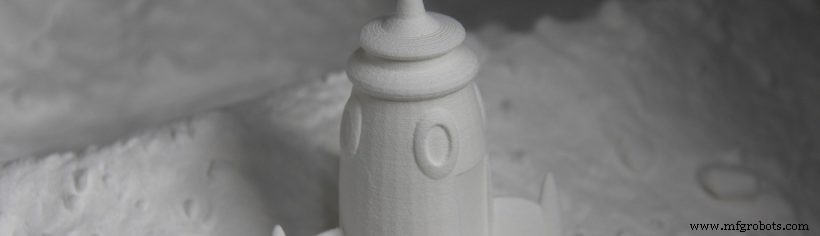
Selective laser sintering (SLS) delivers intricate, powder‑based parts, but the post‑processing stage—removing support material and excess powder—can be messy. Treating cleaning as a core part of your workflow is essential for protecting finish quality and ensuring compliance with industry standards.
Here are five critical points to keep in mind:
1) How fragile is your part?
Many SLS components are mechanically delicate. Opt for a gentle approach: a warm, soapy water rinse or alcohol wipe removes powder without risking deformation. Avoid high‑pressure bead‑blasting or compressed‑air blasts that can compromise fine features.
2) Is your workspace properly prepared?
Work in a well‑ventilated area equipped with a dust extractor. Safely dispose of or recycle waste powder, and be mindful that SLS materials can release hazardous particles. When using acetone vapour for surface smoothing, follow manufacturer safety guidelines and ensure proper ventilation and waste handling.
3) Is there any excess dye left on your part?
If you’ve dyed the build, rinse with cold water and consider a brief boil to remove residual pigment. This step is crucial for functional parts, as leftover dye can alter dimensions and mechanical properties.
4) What industry regulations do you need to consider?
Parts destined for medical or aerospace use must meet stringent hygienic and mechanical criteria. For medical applications, compliance with ISO 13485 and sterility requirements is mandatory. In such cases, ultrasonic cleaning offers a contamination‑free method, and a dedicated cleanroom may be necessary for routine production.
5) How will you ensure your part stays clean?
SLS polymers are naturally porous, making them prone to dust and bacterial buildup. Seal finished parts with a suitable coating—polyurethane, epoxy, or a clear powder spray—to preserve aesthetics, protect against fingerprints, and simplify future cleaning. For a detailed guide on finishing options, see our previous post on SLS post‑processing finishes.
3D printing
- Mastering the Final Finish for High‑Quality SLS Prints
- How to Achieve Vivid, Long-Lasting Colors in SLS 3D Printing
- Professional Finishing Techniques for FDM 3D Prints
- 5 Key Benefits of Adopting SLS Technology for Your Manufacturing Workflow
- 10 Expert Tips for Optimizing FDM 3D Printing Designs
- Quickly Label 3D Printed Parts with Engraver Filler – A Proven, Easy Method
- 6 Essential Tips for Successful PCB Design and Layout
- Key Factors for Designing a Reliable Compressed Air Piping System
- Top 5 Key Factors for Choosing the Right Industrial Chiller
- Key Factors to Evaluate Before Repairing, Rebuilding, or Remanufacturing Hydraulic Equipment