



Choosing the Right Hydraulic Clamp: 5 Essential Factors
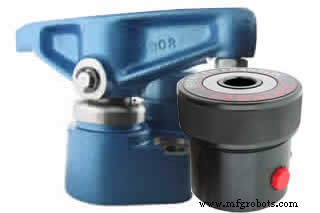
Hydraulic clamps are indispensable tools for precision pressing operations in workshops and factories. These devices harness hydraulic fluid—typically oil—to generate consistent, powerful clamping forces that secure workpieces for machining, bonding, or assembly. While the core principle is the same across models, variations in design, capacity, and accessories can dramatically affect performance. Below are five critical considerations to guide you in selecting the best clamp for your needs.
1. Pressing Force Capacity
Every clamp is rated by the maximum pressure it can apply, measured in pounds (lb) or kilograms (kg). Industrial clamps commonly span 3,000–10,000 lb. A higher force rating is essential for heavy‑material or high‑precision tasks, while lighter clamps suffice for small parts or prototyping. Verify the manufacturer’s specification sheet and match it to the maximum weight and tolerances of your workpiece.
2. Installation Method
Clamps are usually mounted on a rigid surface—such as a workbench, floor jack, or custom frame—using bolts or threaded posts. Some models offer quick‑release mounting plates for rapid reconfiguration, while others require a more permanent installation. Assess your workshop layout: if you need frequent repositioning, opt for a clamp with a versatile mounting system.
3. Clamping Arm Direction and Adjustability
The clamping arm (the upper section that presses down) can rotate either clockwise or counter‑clockwise. Certain clamps allow you to switch the direction, enabling you to align the arm with restricted spaces or specific workpiece orientations. If you anticipate working in tight corners or on irregular surfaces, choose a model with an adjustable arm.
4. Physical Size and Footprint
Clamp dimensions dictate the maximum size of the workpiece and the spatial footprint required on your bench. Smaller clamps (e.g., 4–6 in. wide) are ideal for precision parts, whereas larger units (up to 12 in. or more) accommodate boards, panels, or assemblies. Measure the largest item you’ll handle and ensure the clamp’s opening width and height are adequate.
5. Compatibility with Accessories
Many hydraulic clamps support optional accessories such as booster pumps, pressure gauges, quick‑connect fittings, and specialized jaws. These add-ons can enhance force control, speed, and versatility. If you plan to integrate additional equipment—especially for high‑volume production—verify that the clamp’s design accommodates the accessories you need.
By evaluating pressing force, mounting method, arm direction, size, and accessory compatibility, you can confidently select a hydraulic clamp that delivers reliable performance and long‑term value for your workshop.
Industrial equipment
- 5 Key Factors for Selecting the Right Plastic Hinges
- Choosing the Right Pull Handles: 5 Key Factors to Consider
- Choosing Marine Hinges: 5 Essential Factors for Durable Performance
- 5 Key Factors for Selecting the Right O‑Ring Seal
- 5 Key Factors to Evaluate When Selecting a Lifting Magnet
- 5 Key Factors to Evaluate Before Buying Wing Knobs
- 5 Key Factors to Evaluate When Selecting a Refrigeration Lock
- Choosing the Right Piano Hinges: 5 Essential Considerations
- 5 Key Factors to Choose the Right Padlock for Your Business
- 5 Key Factors for Selecting the Right Dowel Pins