



IoT Advantage: Turn Your Network into a Business Growth Engine

At a recent “IoT Breakfast”, CIOs and CEOs gathered to explore how businesses can thrive amid the Internet of Things revolution. The consensus was simple: IoT is here—those who don’t prepare are bound to fail.
So, what can CIOs do to future‑proof their organizations? Sebastien Tellier, Manager of Product Marketing at Martello Technologies, says the first step is rethinking the network’s strategic role.
The challenge
IoT is the growing web of everyday devices—consumer gadgets, industrial machinery, and even autonomous vehicles—all linked to the internet. Experts predict 25 billion connected devices worldwide by 2021, and soon each person will have thousands of devices connected.
The pace of this shift is astonishing. From 1G voice in 1986 to high‑speed mobile data in 2012, we’re now on the cusp of 5G—an enabler for autonomous vehicles, smart cities, and countless real‑time, interconnected applications.
Today’s networks already feel the strain from real‑time workloads—video calls, collaboration tools, streaming, and instant file sharing. That demand will surge, and with multiple services competing for bandwidth, downtime becomes a tangible risk.
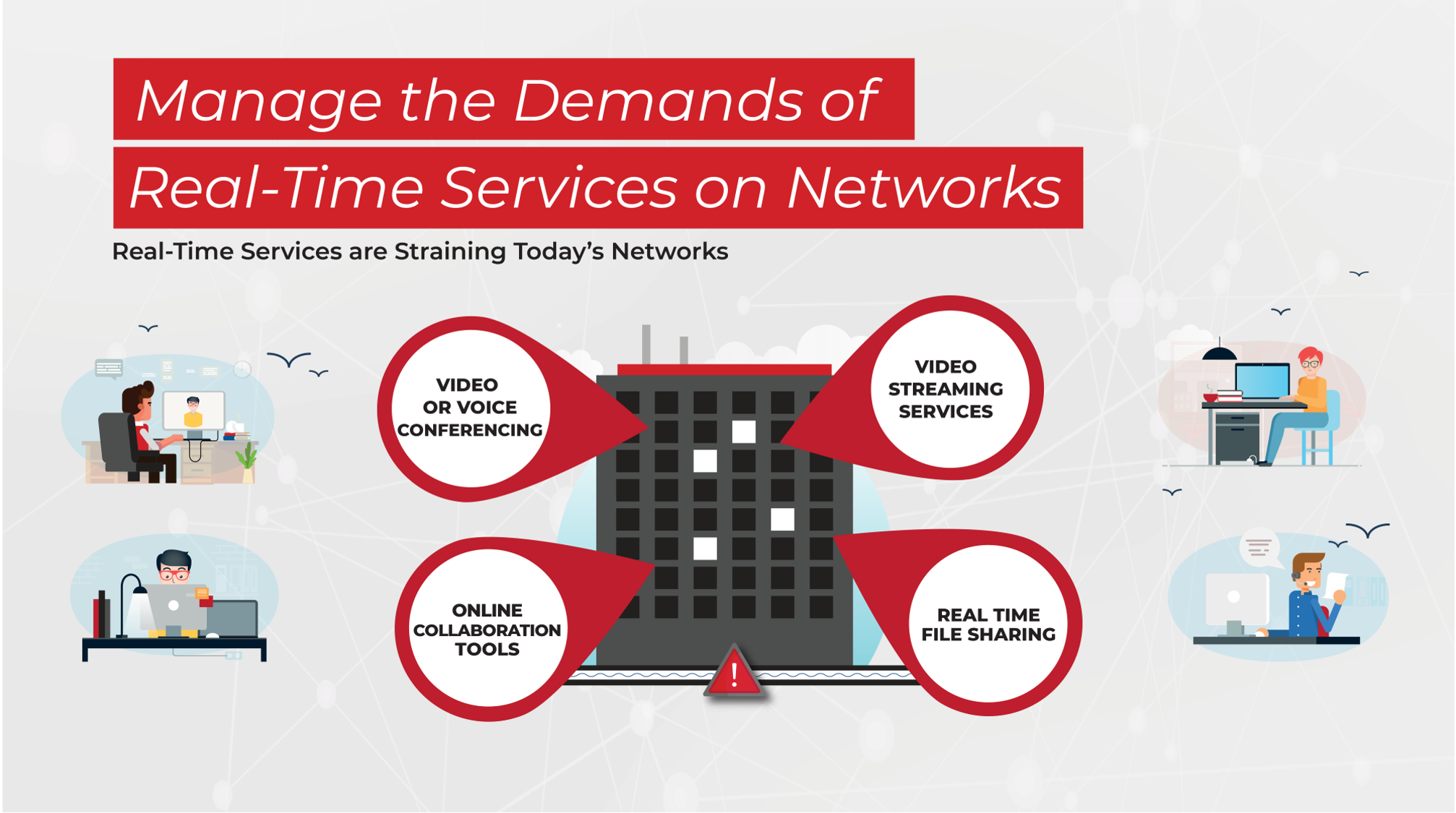
IoT will amplify these challenges unless networks are proactively upgraded. Many IoT workloads, like the ever‑changing bandwidth of a mobile autonomous vehicle, require dynamic capacity, making resource allocation, capacity planning, and performance delivery far more complex.
The SolutionHigh‑performance, well‑managed networks will shift from cost‑center to strategic asset as IoT expands. A robust network foundation unlocks new markets and secures your organization’s future. So, how do you build such a network?

In essence, the proven tactics that optimize real‑time traffic today will also secure your network for IoT. Consider these key principles as you plan ahead:
- Carrier and technology diversity – Spread traffic across multiple carriers to boost performance, reduce reliance on a single provider, and add redundancy.
- Prioritise real‑time traffic – Solutions such as Martello’s technology use deep expertise in unified communications to give priority to time‑critical traffic.
- Understand MPLS limitations – SD‑WAN can enhance multi‑site connectivity, uptime, and VPN performance, overcoming MPLS’s constraints.
- Build scalable, low‑maintenance networks – IoT demands adaptable infrastructure that scales effortlessly, reducing IT overhead and driving cost efficiency.
A service‑aware network leverages performance analytics and testing to surface faults. SD‑WAN and other optimizers fine‑tune resource usage and performance in near real‑time.
Author: Sebastien Tellier, Manager of Product Marketing, Martello Technologies
About the AuthorSebastien Tellier is the Manager of Product Marketing at Martello Technologies, a global network solutions provider headquartered in Ottawa with offices in Montreal, Amsterdam and Paris. Martello delivers SD‑WAN, network performance management, and IT analytics tools that monitor, manage, and optimise real‑time application performance, giving IT teams and service providers full control and visibility across their infrastructure.
Internet of Things Technology
- Cisco Webinar: How Georgia‑Pacific Expanded Network to the IoT Edge with Intent‑Based Networking
- The CDMA Sunset: What It Means for Your Long‑Term IoT Strategy
- The Ultimate Guide to Wireless IoT Network Protocols
- IoT is Redefining the Network Edge – Part 2
- IoT Is Redefining Network Edge Architecture – Part 1
- How Narrowband Technologies Power the IoT Revolution
- Securing the IoT from Hardware to Application: A Layer‑by‑Layer Blueprint
- Global IoT Network Grid: Empowering Connectivity for Industry Transformation
- Four Proven Strategies to Simplify Industrial IoT Network Design
- Choosing the Right IoT Network: Insights from Industry Experts