



2020 Covid-19 Impact: Trends, Challenges & Future Insights – Part I
The lockdown, interruption of supply chains, and the emergence of virtual work shifts are accentuating the need for innovation, entrepreneurship, and autonomy.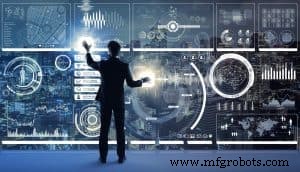
The Covid-19 lockdown and shut down of businesses and government is a mega-event, and more importantly, it is causing mega-cultural-trends that will change us for many decades to come. This is a two-part article on both the cultural challenges as well as technology opportunities emanating from these unusual times in our history.
The crisis has forced us to re-think and re-align 2020 challenges and trends in the post-Covid-19 era. Examples of pre-Covid-19 trends include:
- AI for identifying emotions
- Self-Driving Edge Computing for Internet of Things
- Interoperability in Blockchain protocols
- Automation re-shaping the workforce
While these are important and impactful, Covid-19 is causing mega-shifts, especially in the cultures of entrepreneurial startups as well as incumbent enterprises.
Here in Part-I will be on the enterprise-in-motion anti-fragility and the re-emergence of the virtual enterprise. Part-II will then delve deeper into the post-Covid-19 technology trends – especially with Additive Manufacturing, Blockchain, AI, IoT, and Automation and their impact on end-to-end value chains like Supply Chain.
Covid-19 Enterprise-In-Motion Anti-Fragility
The Covid-19 pandemic is a Black Swan event par excellence – even though some dispute this characterization. More importantly, the author of Black Swan – Nassim Nicholas Taleb– has another equally compelling perspective in Antifragile – Things That Gain from Disorder. Here is what he says on anti-fragility that is so relevant: “entrepreneurship is a risky and heroic activity, necessary for growth or even the mere survival of the economy.” Spot on.
We are facing unprecedented disorder. We need heroic activities. Some organizations are in existential danger. Others will thrive and come out stronger. Covid-19 is accentuating acceleration in experimenting, deploying, or abandoning old organizational structures with bold, innovative alternative cultures and solutions at all levels of the organization.
Even back in 2019, it was clear technological focus and incremental change were not enough. MIT Sloan & Deloitte article drove home the cultural challenges: “The history of technological advance in business is littered with examples of companies focusing on technologies without investing in organizational capabilities that ensure their impact. In many companies, (failures are) classic examples of expectations falling short because organizations didn’t change mindsets and processes or build cultures that fostered change.”
We are now witnessing many industries such as manufacturers, pharmaceutical companies, and restaurants re-defining and re-organizing themselves for Covid-19 products and services at an unprecedented rate. We are also witnessing innovative startups re-aligning their services given the Covid-19 constraints.
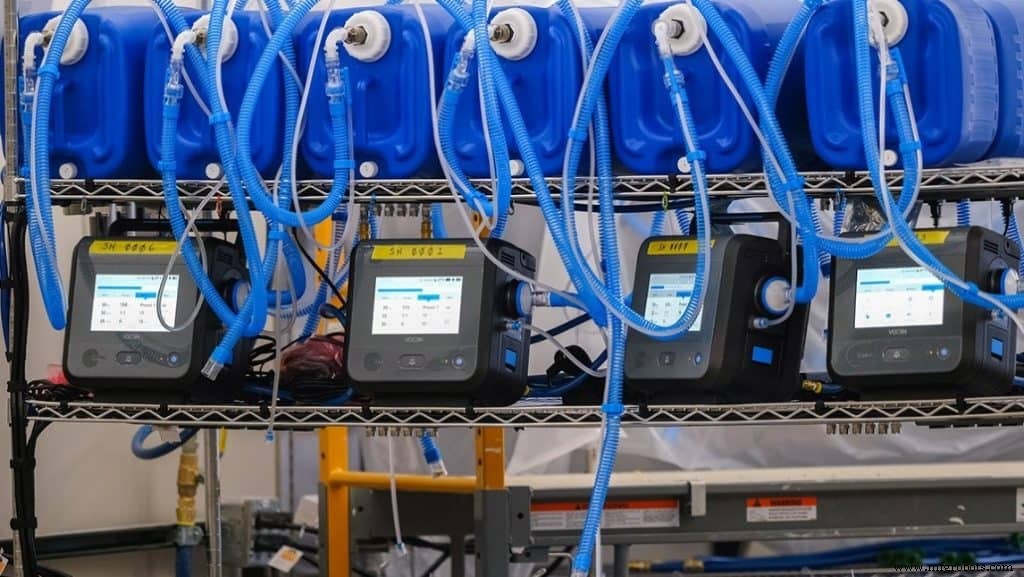
GM Vehicles to Ventilator Production
Now more than ever, enterprises need to be in-motion. What is the “Enterprise-In-Motion?” Briefly, it is an enterprise that embarks upon cultural transformation and uses technology to continuously innovate while incrementally demonstrating tangible results. Laws of enterprise “physics” are in operation. Enterprises that embark upon the “motion” journey will face some resistance, especially in the get-go: the law of inertia also applies to enterprises. With the appropriate prioritization and focus on results, the enterprise can accelerate and achieve unprecedented velocities with continuous motion.
In the Covid-19 era, being and Enterprise-In-Motion is no longer a luxury or another executive imperative with little or no impact. It is a necessity for survival.
Enterprises need to innovate in their operations, products, services, as well as customer experience optimizations. In addition to being responsive to the increasingly demanding digital customer in the middle of a pandemic, the enterprise needs to be entrepreneurial through innovation methodologies such as Design Thinking, leveraging digital technologies that drive its motion.
The enterprise in motion can also be autonomic. As a complex system impacted by adverse events, in the Covid-19 era, the enterprise’s many exceptions, implicit cultural behaviors, and automatic self-optimizing and self-healing responses can provide tremendous advantages to the Enterprise-In-Motion.
In the post-Covid-19 era, pragmatic cultural and organizational innovations need to go hand in hand with digital technology enablers to pull the enterprise to potentially new levels.
The mantra “fail fast but succeed faster” now also needs “lockdown fast but innovate & recuperate faster.”
Re-Emergence of the Virtual Enterprise
The Covid-19 crisis is both a danger and opportunity. Innovation and entrepreneurship that is continuous, in-motion, and autonomic will help make or break both startups and established organizations.
Organizations and Enterprises of all sizes are also becoming “Virtual”
The notion of “virtual enterprises” has been around for quite some time, and in some ways, most IT efforts are concentrated on realizing some of the features of virtual enterprises, even without recognizing or labeling them as such.
There are many connotations associated with virtual organizations. Virtuality has several meanings and dimensions. Here are some dimensions of being Virtual that have become critical in the post-Covid-19 era. There are others.
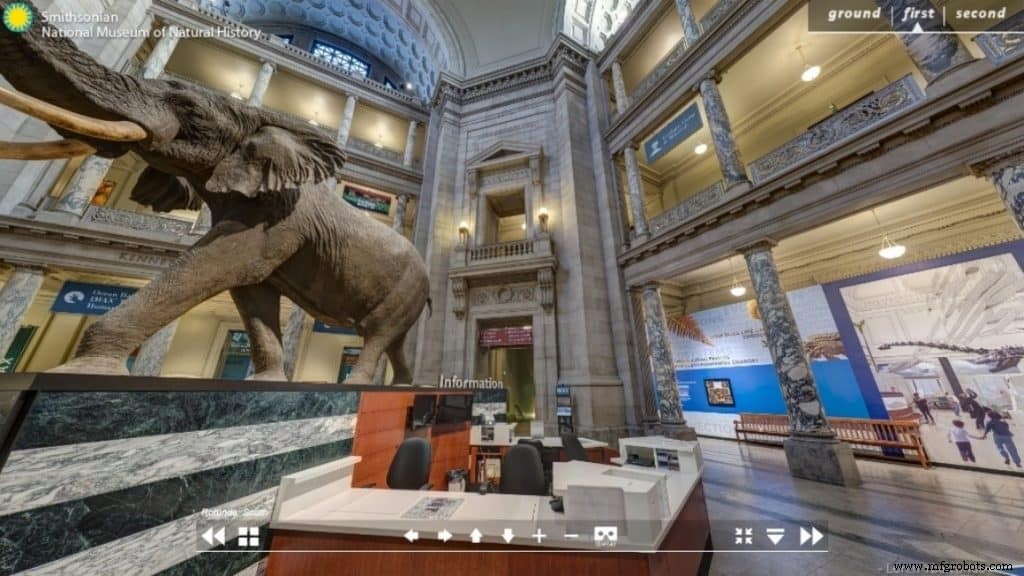
- Virtual Worlds: Concepts such as Virtual Exhibitions, Virtual Shopping Malls, Virtual Museums, or Virtual Schools capture this dimension of virtuality. These worlds do not physically exist. They are created and accessed typically through Web browsers. In some ways, portals that are completely customized are moving in this direction. The current virtual worlds are more sophisticated than portals. Many museums such as Paris Louvre and Smithsonian now offer virtual tours – which are quite impressive.
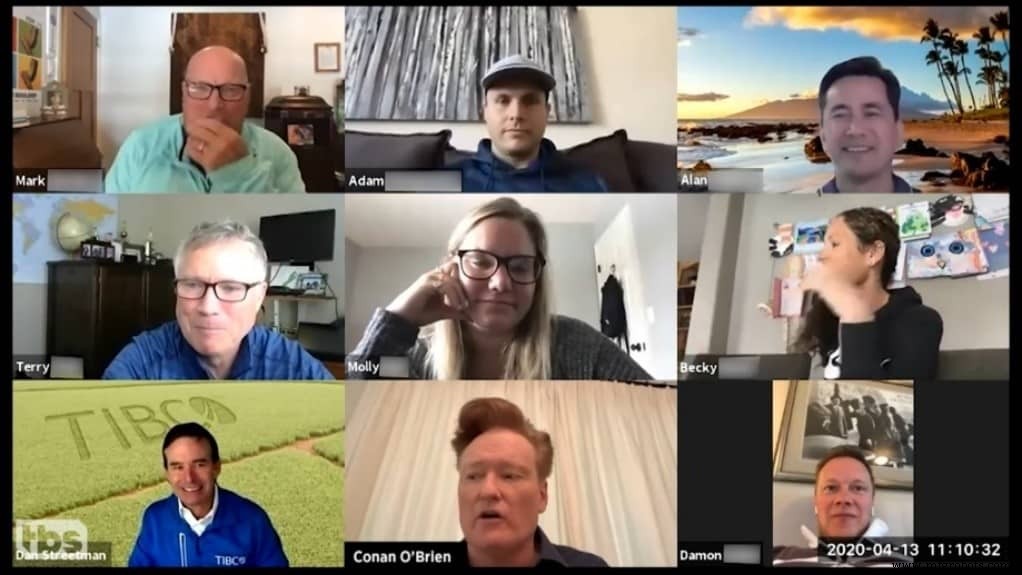
- Virtual Meetings and Virtual Presence: Another common meaning is this notion of a virtual presence. Virtual offices are perhaps the most common example. Live social channels such as YouTube and Facebook, as well as platforms and tools such as Cisco WebEx, Microsoft Teams, and Zoom, have skyrocketed. The individuals, the various roles, and applications can virtually work, interact, and attend meetings. Even late night comedian Conan O’Brien recently Zoom-bombed a Tibco internal conference call, I guess, because he understands the importance of virtual presence.
- Virtual Reality and Augmented Reality have surged during the pandemic. In addition to binge-watching Netflix and Amazon Prime, VR games saw a substantial surge. The interaction of actors or consumers is very dynamic and as close to reality as possible through the more recently highly realistic VR products such as Oculus Quest. In the Covid-19 era, the applications span beyond games into areas such as virtual scientific explorations, sports, and exercising. For instance, Beat Saber can provide an effective and fun cardiovascular workout for many users.
More than ever, the lockdown, interruption of supply chains, and the emergence of virtual work shifts are accentuating the need for innovation, entrepreneurship, and autonomy, especially through challenging the archaic hierarchical organization structures towards more decentralization and innovation empowerment at the “edges.” The impact, especially due to the success of virtuality, will be felt in many enterprises for many years to come. We will not simply switch back and forth from “real” to “virtual.” More likely, many enterprises will innovate and assess what worked and what could be re-prioritized. As a complex, well-coordinated, intelligent system, an enterprise needs to orchestrate all its operational activities but also continuously predict and innovate various business models. These include operations that are virtual – including customer virtual visits, virtual conferences, and virtual experiences using technologies such as Virtual Reality and Augmented Reality.
In Part-II, we will discuss the post-Covid-19 impact of Additive Manufacturing, Blockchain, AI, IoT, and Automation.
Internet of Things Technology
- Industrial IoT Security: Key Trends and Best Practices for 2020
- PCB Industry Outlook: Key Trends and Challenges for 2024
- Hyperconverged Secondary Storage: Driving Unified Data Management for Enterprise IoT
- Harnessing IoT Data for Manufacturing Excellence
- IIoT Trends & Challenges: Data Overload, Manufacturing Shifts, and the Skills Gap
- Supply Chain Finance 2019: Trends, Challenges, and Key Questions
- Gartner Forecasts AI’s Next Chapter: Opportunities, Risks, and Adoption Hurdles
- Navigating 3DP, Blockchain, IoT & VSaaS Trends Amid COVID‑19: Part II
- Fishbowl vs QuickBooks Enterprise: Manufacturing Features Comparison – Part 2
- 2020 CNC Machining: Top Industry Trends & Innovations