



ADMS: Beyond AMI – Why Utilities Need Advanced Distribution Management Systems
What is ADMS, and why are utilities adopting or evaluating this technology?
According to Gartner, an ADMS is the software platform that automates outage restoration and optimizes the performance of the distribution grid. It delivers real‑time decision support to operators, enabling faster restoration and higher reliability.
Key ADMS functions include:
- Fault location, isolation, and restoration
- Volt‑volt‑ampere reactive optimization
- Voltage‑reduction‑based conservation
- Peak‑demand management
- Support for microgrids and electric‑vehicle integration
Before implementing an ADMS, utilities must assess the communication backbone that feeds their Advanced Metering Infrastructure (AMI). Smart meters should serve as edge‑of‑grid sensors, transmitting outage alerts, voltage, and power‑quality data in real time.
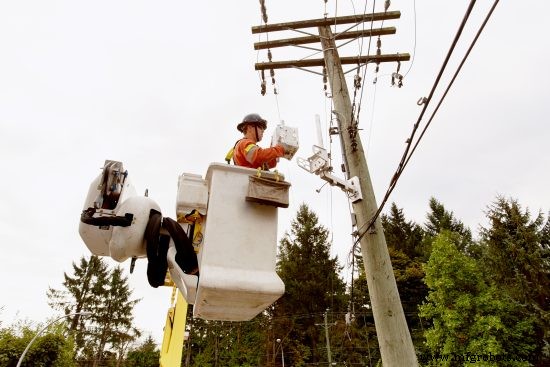
The Department of Energy’s National Laboratories, along with utilities that have already deployed ADMS, demonstrate that high‑performance, secure, and manageable communication systems are critical to success.
One of the biggest challenges is the rapid proliferation of Distributed Energy Resources (DER) – rooftop solar, electric vehicles, microgrids, and demand‑management programs. Even with energy‑storage solutions like the Tesla Powerwall, true microgrid autonomy is not yet achievable.
Utilities with feeders where 15% or more of the energy originates from rooftop solar often experience pronounced voltage swings as PV output fluctuates under passing cloud cover. Smart inverters help, but phase‑to‑phase imbalances remain an issue, especially in single‑phase residential service.
For actionable guidance, consult the DOE’s Office of Electricity report Insights into Advanced Distribution Management Systems. The report highlights the business benefits that utilities and their customers can realize through ADMS deployment.
DOE has also funded a coordinated set of National Laboratory projects focused on developing ADMS capabilities to manage voltage, congestion, and phase‑balancing challenges introduced by DER.
We will present the first findings from these projects at the IEEE Innovative Smart Grid Technologies (ISGT) Conference, September 6‑9, in Minneapolis.
Learn how low‑latency, distributed control can stabilize the grid and how Cisco’s Field Area Network and Fog computing platforms can support your ADMS strategy. Visit our website for more information.

Internet of Things Technology
- CiscoChat Recap: Utilities Security Imperative – Key Insights for Protecting Critical Infrastructure
- IoT Adoption Lags Behind Rapid Growth – What’s Holding Companies Back
- Assessing the Reach of Recent IoT Security Regulations
- Managed Smart Metering Drives Utility Value from Smart Grid Investments
- Connected Technology Revolutionizing Water Utilities: Smart Metering Drives Efficiency & Sustainability
- IoT Billing Innovation: Moving Beyond Legacy Systems
- How Digital Transformation is Revolutionizing the Utilities Industry
- Beyond Automation: Why Hyperautomation Drives Business Efficiency
- How Real-Time AMI Data Enables Utilities to Predict Power Demand
- Why Your 3D Printer Is Failing to Extrude and How to Fix It