



Beyond Asset Tracking: Unlocking Geo‑IoT’s Full Potential in Modern Industries
In the connected world, knowing a device’s position is more than a trivial detail—it gives every data point context and unlocks real‑time decision making. While traditional asset tracking tells you where something is, Geo‑IoT takes it a step further by blending precise location with sensor‑driven condition monitoring.
Consider a freight company that tracks temperature and humidity on every container. With Geo‑IoT, managers can instantly spot a temperature spike, correlate it with the container’s exact route, and dispatch a corrective crew before spoilage occurs. This level of insight is only possible when location and condition data travel hand‑in‑hand.
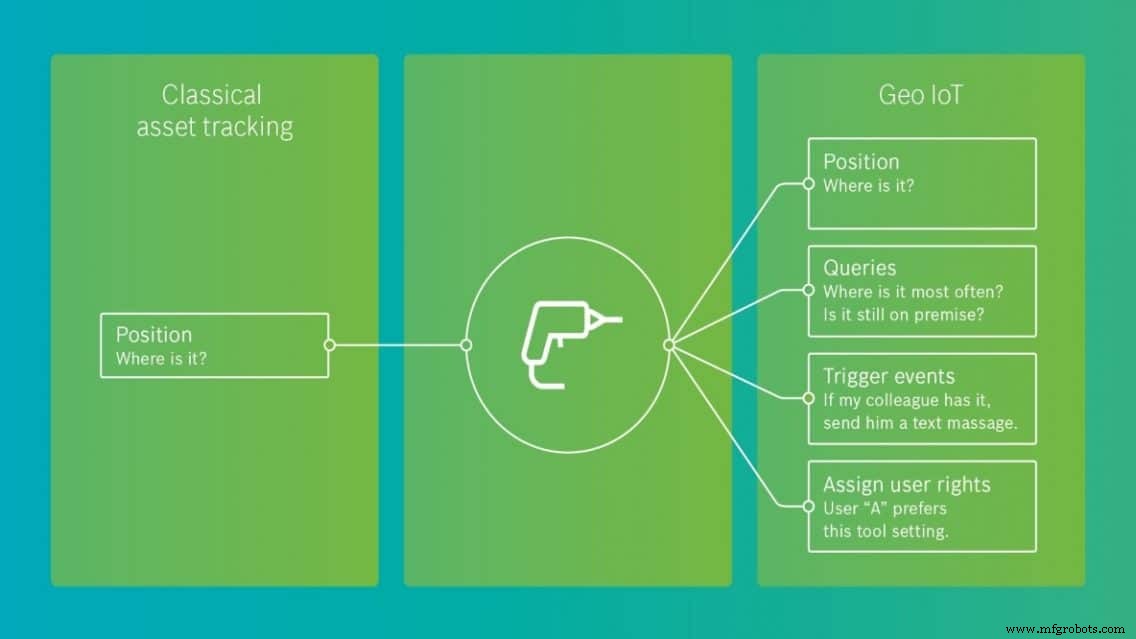
So, what distinguishes Geo‑IoT from basic asset tracking? The answer lies in its ability to trigger automated alerts, enforce geofences, and enable role‑based access—all in real time.
Next‑Generation Asset Tracking
Geo‑IoT marries position data with additional sensor feeds, opening doors to truly geo‑aware solutions across industries.
- Retail: Tracking shopping carts reveals dwell times and movement patterns, informing smarter product placement and aisle design.
- Agriculture: Knowing the exact location of tractors—regardless of make—allows farms to monitor utilization, distance traveled, and fuel consumption.
- Forestry: Precise tracking of timber stacks and equipment helps curb theft and streamlines inventory.
- Aviation: Geofencing keeps critical tools in designated zones, ensuring they’re available for maintenance when needed.
- Healthcare: Continuous monitoring of medical equipment guarantees that vital devices are always operational and in the right hands.
- Manufacturing & Logistics: Tracking pallet trucks and worker routes optimizes workflows and boosts production efficiency.
These use cases illustrate the vast potential of Geo‑IoT, yet exploiting that potential can be complex. Expectations for ultra‑accurate, real‑time tracking often outpace what current localization technologies can deliver, especially when balancing cost and existing infrastructure.
The market remains fragmented: each vendor adopts a distinct approach, and environmental or regulatory constraints further shape technology choices. Ultimately, success requires a pragmatic compromise between business goals and the realistic capabilities of available localization solutions.
Making Geo‑IoT Work for Your Business
Whether you choose GPS, GSM, Bluetooth, Wi‑Fi, or a hybrid solution, no single technology satisfies every requirement. Over a decade of experience helping clients deploy location‑based systems has revealed seven critical factors for achieving tangible value:
- Define clear business objectives and success metrics.
- Map out the physical environment and identify signal‑to‑noise challenges.
- Assess the trade‑off between accuracy, latency, and cost.
- Integrate seamlessly with existing IT and OT infrastructures.
- Implement robust data security and privacy controls.
- Design scalable architecture for future growth.
- Plan for ongoing maintenance and support.
By following these guidelines, organizations can harness Geo‑IoT’s full power—translating raw location data into actionable intelligence that drives efficiency, safety, and profitability.
Internet of Things Technology
- How IoT Asset Tracking Is Revolutionizing Manufacturing Efficiency
- Why Bluetooth Low Energy Drives Cost‑Effective Asset Tracking
- Why GPS Asset Tracking Often Falls Short – Understanding Its Limitations
- How Asset Tracking Tech Saves Money and Boosts Efficiency—A Practical Guide
- Why Precise Location Tracking is Critical for Modern IoT Operations
- M2M Asset Tracking: Unlocking Efficiency, Security, and Peace of Mind
- How IoT is Revolutionizing Asset Management Solutions
- Choosing the Right Wireless Protocol for IoT Asset Tracking Solutions
- Why IoT Projects Often Fail – Insights & Practical Strategies
- Why Manufacturers Must Embrace IoT Asset Management Today