



Why Smart HVAC Systems Are Revolutionizing Building Comfort and Efficiency
Heating, Ventilating, and Air Conditioning (HVAC) components have been around since the late 1800s, but the modern push for efficiency began in the 1980s when ASHRAE introduced Standards 90.1 and 90.2, setting the benchmark for building energy performance. These milestones paved the way for the next generation—smart HVAC systems.
Intelligent heating and cooling systems solve problems that traditional setups struggle with. For example:
- Building occupants and owners no longer need to manually adjust temperatures; smart HVAC learns optimal settings for each zone.
- Companies can avoid costly inefficiencies by letting the system manage energy use autonomously.
- Built‑in sensors monitor external conditions and internal performance, maintaining peak efficiency.
This article explores the most critical functions of a smart HVAC system and the steps you should take if you’re interested in implementing one.
Getting Started With Smart HVAC
If you’re planning or designing a smart building or home, adding an intelligent HVAC system is straightforward because you have a blank slate. For retrofits in older buildings, additional steps are necessary:
- Identify outdated equipment. Anything that is obsolete is likely less energy‑efficient than modern alternatives. Compile a detailed inventory of your current system and compare it to newer models. Your energy auditor will also review this data, so having it ready is beneficial.
- Conduct an energy audit. A licensed or certified professional should perform this audit to quantify the building’s energy profile and highlight potential savings. The Internet of Things (IoT) simplifies data collection: sensor‑level technology can instantly capture temperature, humidity, airflow, and more, far faster than manual methods.
- Choose upgradeable HVAC and envelope components. Once you understand how the building operates, prioritize improvements that will make the system more intelligent. The specific focus will vary by building, but the following elements are commonly addressed.
Making An HVAC System “Smart”
While not every component can be fully automated, key upgrades can transform a conventional system into an energy‑efficient, intelligent one.
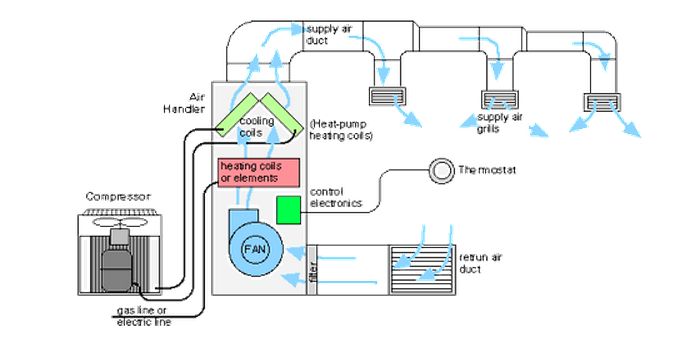
Compressor & Air Handler
The compressor and air handler are the heart of the system and often the largest energy draw. Optimizing these units—by selecting high‑efficiency models and ensuring they run only when needed—can dramatically reduce costs. Many utilities now offer demand‑response programs, rewarding customers who allow the grid to temporarily reduce load during peak times. Coupled with time‑of‑use pricing, these incentives let consumers shift energy consumption to off‑peak periods, further cutting bills. As distributed generation (solar, wind, batteries) becomes more common, the intelligence built into HVAC equipment will play a critical role in balancing supply and demand.
Ventilation & Air Supply
Ventilation directs air to where it’s required. In new commercial projects, complex systems are typically modeled with Building Information Modeling (BIM) before construction. Even in residential settings, a licensed mechanical, engineering, and plumbing (MEP) professional designs the HVAC layout to deliver comfortable air to occupied spaces. Smart systems can detect when occupants override temperature settings or when vents are blocked, and can automatically correct or flag these issues for maintenance, ensuring consistent performance.
Thermostat
Modern thermostats go beyond temperature sensing; they measure humidity, occupancy, and other variables to make nuanced decisions about temperature setpoints and setbacks. Proper placement is crucial—placing a thermostat in a high‑heat zone, such as a kitchen, can cause the entire building to over‑cool. Zoning, combined with smart thermostats, ensures that each area receives the right temperature without compromising comfort elsewhere.
Conclusion
Smart HVAC systems empower buildings to respond to real‑time conditions, reduce energy waste, and simplify operations for occupants and managers alike. By embracing these technologies, you’re not only saving money—you’re creating healthier, more sustainable environments for everyone inside.
Internet of Things Technology
- Designing Adaptive Manufacturing Systems for Industry 4.0: Leveraging IIoT and RTI Connext
- The Emerging Role of IoT in the Energy Sector: Key Use Cases and Benefits
- Smart Security Systems: The Next Evolution in Surveillance
- Smart Buildings Unveiled: Essential Insights for Modern Architecture
- Four Smart Metering Solutions Powering the Future Grid
- From Traditional Machine Building to Smart Industry: How Suppliers Shape the Future
- How Big Data and Building Analytics Are Revolutionizing HVAC Efficiency—Part 1
- Smart Building Deployments to Triple by 2026, Driving AI Insights and Energy Efficiency
- Smart IoT Solutions: Reducing Energy Costs in Industrial Operations
- Designing Efficient Hydraulic Systems: Key Components & Best Practices