



How MIPI Alliance Standards Power the Industrial Internet of Things
Industrial IoT (IIoT) is set to transform process sectors—oil & gas, food & beverage, pharma, chemicals, energy, mining—and discrete fields like aerospace, semiconductors, and advanced manufacturing. Over the next decade, IIoT will deliver unprecedented gains in productivity and operational efficiency.
Central to this transformation are high‑resolution cameras for machine vision, crisp displays for rich user interfaces, and robust command‑and‑control links that stitch sensors, actuators, and other subsystems into a cohesive cyber‑physical network.
In this article we examine how the MIPI Alliance’s industry‑leading interface specifications, already deployed in billions of mobile devices, can be harnessed to accelerate IIoT development, reduce time‑to‑market, and cut overall costs.
Defining the Industrial Internet of Things
The IIoT envisions fully digitized processes that gather, exchange, and analyze data in real time. By linking machines and devices, businesses can proactively spot bottlenecks, optimize logistics, and swiftly adapt to market shifts.
Key enablers—5G, AI, big data analytics, cloud computing, machine vision, and robotics—are converging to bridge the physical and digital realms, allowing end‑to‑end visibility across entire production lines and supply chains.
Why MIPI Specifications Matter for IIoT
The MIPI Alliance develops robust interfaces that seamlessly connect embedded components such as cameras, displays, sensors, and communication modules. Their conformance test suites, debugging tools, and open‑source software libraries give developers a proven foundation for creating cutting‑edge connected devices.
Every MIPI specification is engineered for the demanding conditions of mobile hardware: high bandwidth, low power, and minimal electromagnetic interference (EMI). These same attributes translate directly to industrial environments.
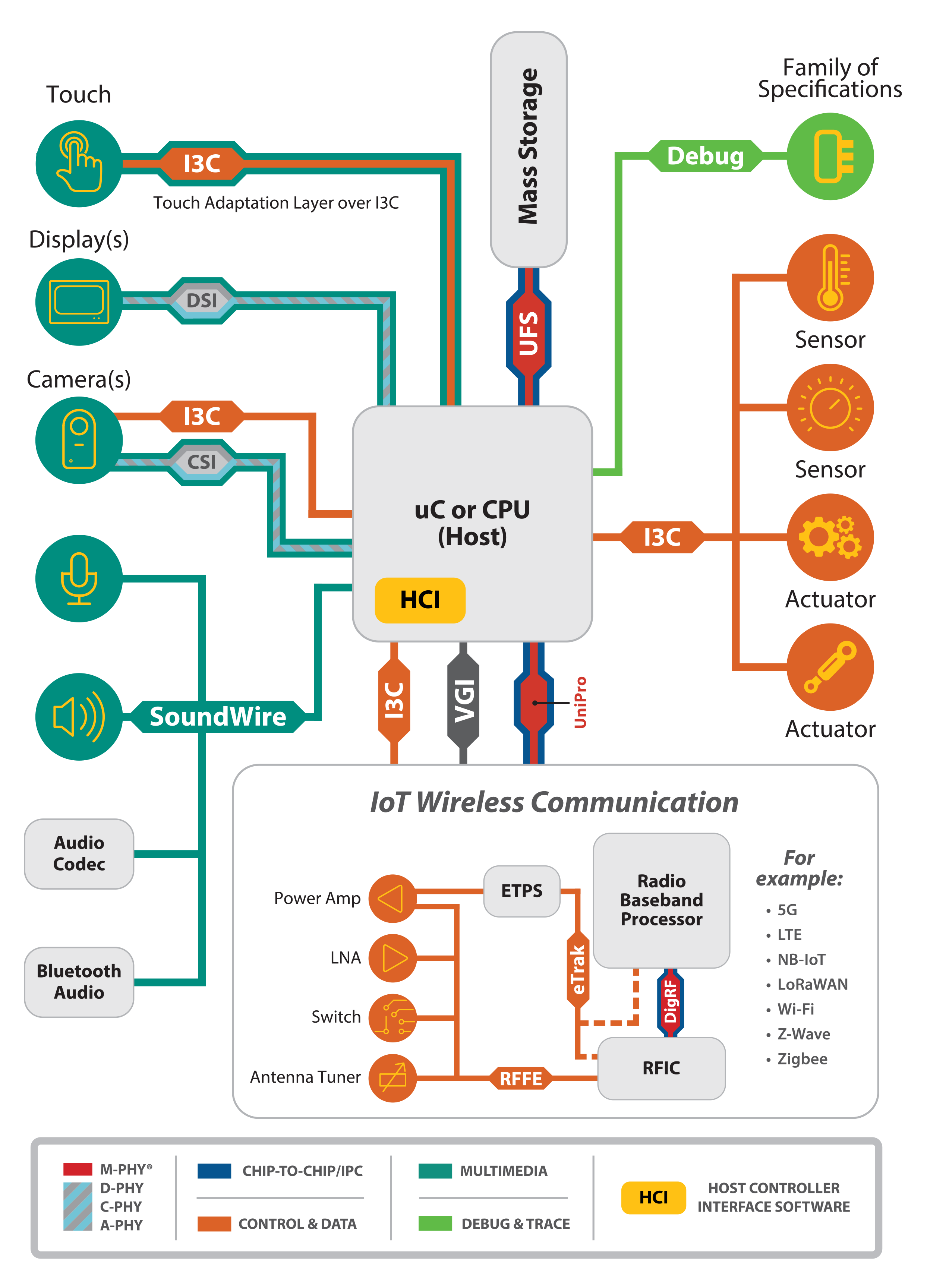
MIPI’s core advantages for IIoT include:
- Safety‑critical assurance through functionally safe and secure interfaces.
- Power‑efficient operation with advanced low‑power modes.
- Built‑in 5G readiness for next‑generation connectivity.
- Compact design thanks to low pin counts and reduced EMI.
- Accelerated development via comprehensive software, test, and debug resources.
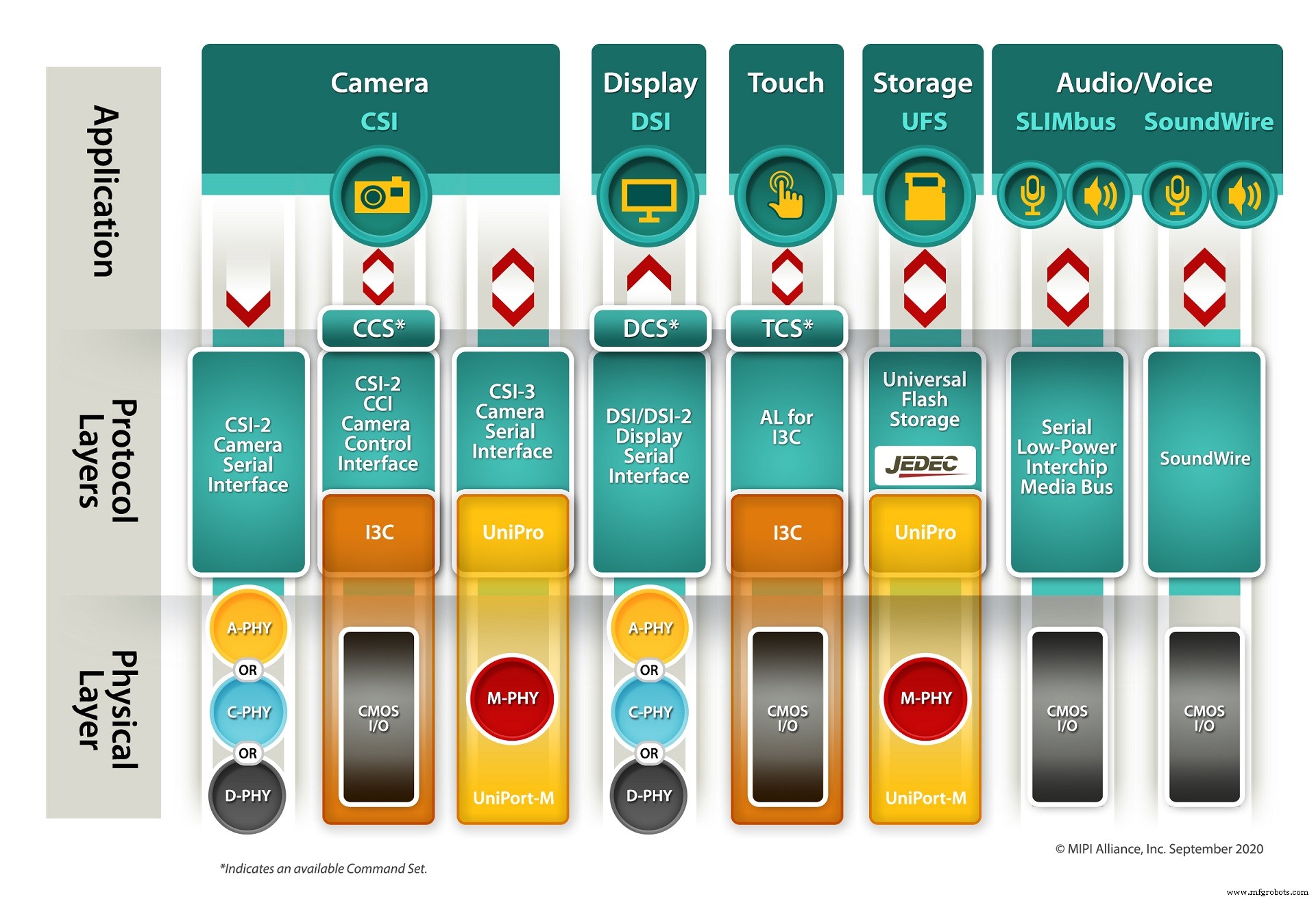
Real‑World Applications of MIPI in IIoT
Below are three illustrative use cases that showcase how MIPI specifications underpin diverse IIoT solutions.
Pharmaceutical Quality Control
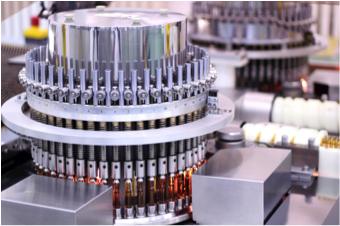
High‑resolution machine vision is indispensable for inspecting packaging, verifying fill levels, ensuring seal integrity, and validating labeling—critical steps that directly influence product quality and throughput.
Key MIPI enablers:
- MIPI CSI‑2 over C‑PHY, D‑PHY, or A‑PHY – scalable, low‑power links for high‑resolution cameras that support real‑time inference.
- MIPI I3C – a lightweight two‑wire interface that simplifies camera and sensor control.
Automated Industrial Vehicles

Robotic carriers navigate plant sites using a mesh of sensors and cameras. They generate terabytes of data that must be transmitted reliably and processed swiftly.
Key MIPI enablers:
- MIPI CSI‑2 over A‑PHY – connects high‑resolution cameras or lidars for navigation and safety.
- MIPI A‑PHY – offers long‑reach, ultra‑reliable links suitable for noisy industrial environments.
- MIPI I3C – unifies sensor and actuator communication with minimal wiring.
- MIPI RFFE – provides robust wireless connectivity for vehicle‑to‑control‑system communication.
Advanced Machine Control with Rich User Interfaces
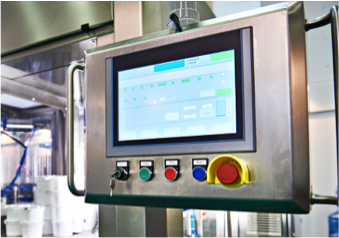
Modern machine‑control systems integrate high‑resolution displays, touchscreens, and other input peripherals to provide operators with intuitive control and real‑time feedback.
Key MIPI enablers:
- MIPI DSI‑2 over C‑PHY, D‑PHY, or A‑PHY – drives vibrant, high‑density display panels.
- MIPI Touch over I3C – delivers responsive, capacitive touch functionality.
- MIPI I3C – connects buttons, LEDs, and buzzers with minimal pin count.
For deeper insights into how MIPI specifications enable the IIoT, refer to the white paper, MIPI Alliance: Enabling the IoT Opportunity.
Internet of Things Technology
- Overcoming 4 Key IoT Challenges: Power, Connectivity, Hardware, and Integration
- Audio Edge Processors: The Key to Seamless Voice Integration in IoT Devices
- Elevate Your Manufacturing Operations with the Industrial IoT Maturity Model
- How the Industrial Internet of Things is Revolutionizing Manufacturing
- Smart Devices: Shaping the Next Generation's Everyday Experience
- Industrial IoT: Empowering Safer Workforces Through Smart Connectivity
- The Rising Threat of Kill‑Chain Attacks on IoT Devices – What Businesses Must Know
- Revolutionizing Public Restrooms: IoT Fixtures and Wireless Power for Cleaner, Smarter Spaces
- IIoT & Analytics Drive Servitization, Cutting Capital Costs for Heavy Industries
- How IIoT Enhances Asset Monitoring Systems: Boosting Reliability & Efficiency