



Getting Started with Connext DDS – Part 3: The Admin Console Every DDS Developer Must Master

Before joining RTI’s engineering team, I was a long‑time RTI customer and early adopter of DDS. I helped shape DDS 4.0 as it became the industry standard we use today.
My passion lies in creating tools that simplify working with Connext DDS, a product already renowned for its robustness. This drive led me to RTI, where I now head the Connext DDS Tools engineering group, helping customers seamlessly integrate RTI Connext® DDS into their projects.
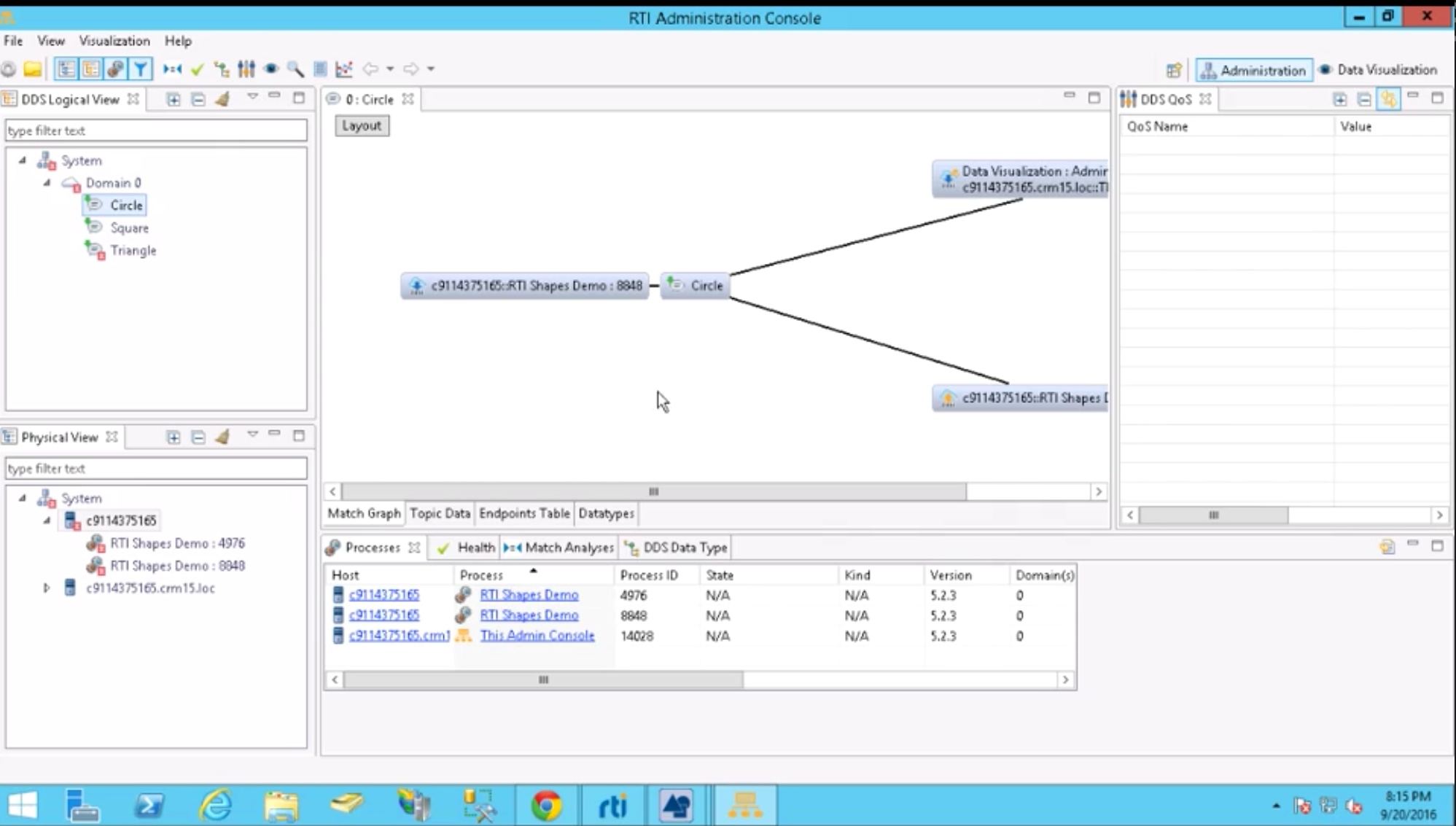
The Admin Console stands out as one of my favorite tools. It centralizes troubleshooting, configuration, and monitoring of all Connext DDS infrastructure services while visualizing live data. By proactively analyzing system settings and log messages, the console highlights issues, drastically cutting the time and effort required to diagnose problems during development.
To help you hit the ground running, Dave Seltz, a fellow RTI engineer, has produced a concise tutorial video that walks you through the essential features of the Admin Console. The examples in the video are ready to run immediately after installation—no extra configuration is needed. Try them out by downloading the free 30‑day trial of Connext DDS Pro and follow Dave’s step‑by‑step guide.
Internet of Things Technology
- Connext DDS in Industrial IoT: 5 Key Insights for Reliability, Security, and Scalability
- Connext DDS Quick Start: Install, Build, and Run Hello World – Expert Video Guides
- Getting Started with Connext DDS: Explore Core Features with RTI Shapes Demo (No Coding Required)
- Connext DDS 101: A Beginner’s Guide to Getting Started
- Industrial IoT Demystified: A Comprehensive Guide
- Boost IoT Performance with Metadata-Driven Data Insights
- Live Tooling for Modern Manufacturing: Key Benefits & Implementation Tips
- Discover the Eagle Group: Your Partner for Quality Metal Fabrication
- Everything You Must Know About Wi‑Fi 6E: The Next‑Generation Wireless Revolution
- KiwiSDR Unveiled: Your Complete Guide to the Raspberry Pi‑Style SDR