



Wearables Reshape the Workplace: Practical Applications & Business Value
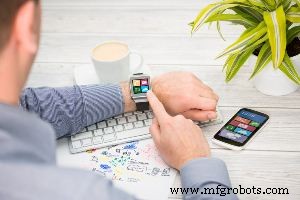
Wearable technology has long lingered in a developmental limbo. According to Rufus Grig, CTO of Maintel, early devices such as Google Glass and the Apple Watch were praised for their sleek design but fell short of delivering transformative functionality. Despite significant marketing spend, the Apple Watch, for example, remains largely a fitness tracker rather than a multi‑purpose companion.
The challenge has always been aligning form with function. Trying to fit a 1.5‑inch smartphone into a wristwatch is a lesson in misaligned expectations. The future of wearables lies in targeted, task‑specific solutions that solve real business problems.
Workplace wearables
In corporate settings, the value of wearables is becoming unmistakably clear. Rather than saturating the market with all‑purpose gadgets, manufacturers are honing in on niche use cases that deliver measurable benefits. For example, augmented and virtual reality headsets can transform client presentations, enabling architects and interior designers to showcase detailed, three‑dimensional site visualisations in real time. Sales teams can walk clients through a product’s final look before purchase, boosting confidence and closing rates.
Healthcare is another area experiencing rapid adoption. The first VR‑guided surgery to excise cancerous tissue occurred in 2016, and today surgeons use AR overlays to pinpoint blood vessels with surgical precision. Law enforcement and security teams routinely deploy body‑cam wearables to monitor field operations.
Beyond specialized roles, wearables enhance everyday office functions. In crisis scenarios, real‑time location tracking helps organisations account for employees during emergencies, improving safety and response coordination. Meeting headsets that deliver directional audio replicate the feel of an in‑person discussion, reducing cross‑talk and improving focus. Advanced models can integrate facial recognition and calendar data for a seamless collaboration experience.
Business benefits

Employee well‑being has moved beyond the occasional fruit bowl. Research shows that monitoring and encouraging health metrics via wearables can boost productivity by nearly 10%. This presents a compelling ROI for organisations that support personal fitness and wellbeing apps integrated with corporate ecosystems.
Remote workers—sales reps, field technicians, and the like—can also be tracked to ensure tasks are progressing on schedule, providing managers with real‑time insights into performance and workload distribution.
Privacy concerns naturally arise, especially with sensitive data such as location and health. Recent incidents, such as U.S. soldiers unintentionally exposing classified information through unsecured wearables, underscore the need for robust corporate policies. When employees participate in the policy design process, the resulting guidelines are more likely to be respected and effective.
Choosing the right applications is crucial. Companies may opt for established platforms or develop custom solutions that align with strategic objectives. The key is to minimize app fragmentation—consolidating functions into a few intuitive tools—to avoid overwhelming staff.
In summary, once wearables achieve the right balance of design and purpose, they are poised to become an integral part of the modern workplace, not just a fashionable gadget for early adopters.
The author of this article is Rufus Grig, CTO, Maintel.
Internet of Things Technology
- WiFi-Based Real-Time Location Tracking: Is It the Right Choice for Your Asset Management?
- RFID vs. WiFi for Asset Tracking: Technology, Accuracy, and Cost Comparison
- 5 Key Wireless Standards Powering IoT Connectivity
- 10 Key Factors for Selecting the Perfect Switch for Your Application
- Honeywell Launches Intelligent Wearable System to Boost Plant Worker Efficiency
- SMI Delivers Superior Composite Solutions for Modern Military Operations
- Sustainability: The Next Priority for Wireless Technology
- Wearable Technology in the Workplace: Enhancing Safety While Safeguarding Privacy
- Is Blockchain the Ideal Solution for Supply Chain Management?
- Top 9 Proven Safety Practices for Industrial Workplaces