



Building Human‑Centric Smart Cities: A Strategic Blueprint

Arun Rishi Kapoor, Business Consultant at Tech Mahindra, explains how our evolving digital ecosystem blends the real and virtual worlds, creating new opportunities to make our planet more livable.
Digitisation—often called digitalisation—connects millions of people and billions of devices, turning everyday actions into actionable data that can be shared globally and processed in real‑time. The challenge is to use that data to improve safety, sustainability, cost efficiency, and overall quality of life.
Governments and organisations worldwide have responded by launching “smart city” initiatives, leveraging Industry 4.0 technologies such as blockchain, sensor networks, and automation to transform urban environments. Yet the success of these projects hinges on a single fact: human beings must remain at the center.
“Cities are ecosystems of living beings with senses and non‑living sensors that together create a human‑centric smart city,” Kapoor notes.
User adoption is the cornerstone of any smart‑city platform. Expensive infrastructure and rapid tech rollouts are futile without citizen engagement. Lack of monetisable data, over‑complex solutions, and non‑standard approaches can alienate users, stalling progress.
Design choices must reflect local realities. For instance, a city with wide roads and harsh weather may resist car‑pooling, while a low‑crime, sparsely populated area might see little benefit from CCTV surveillance. Tailoring solutions to climate, culture, demographics, regulations, and available resources is essential.
Understanding end‑user needs—whether they are ready to adopt a new tool or still wary of data security—is critical. Without this insight, even the most advanced technology can fail to gain traction.
Smart‑city designers should first map basic human needs to demographic challenges. This approach highlights the most valuable data streams that will achieve rapid, widespread adoption.
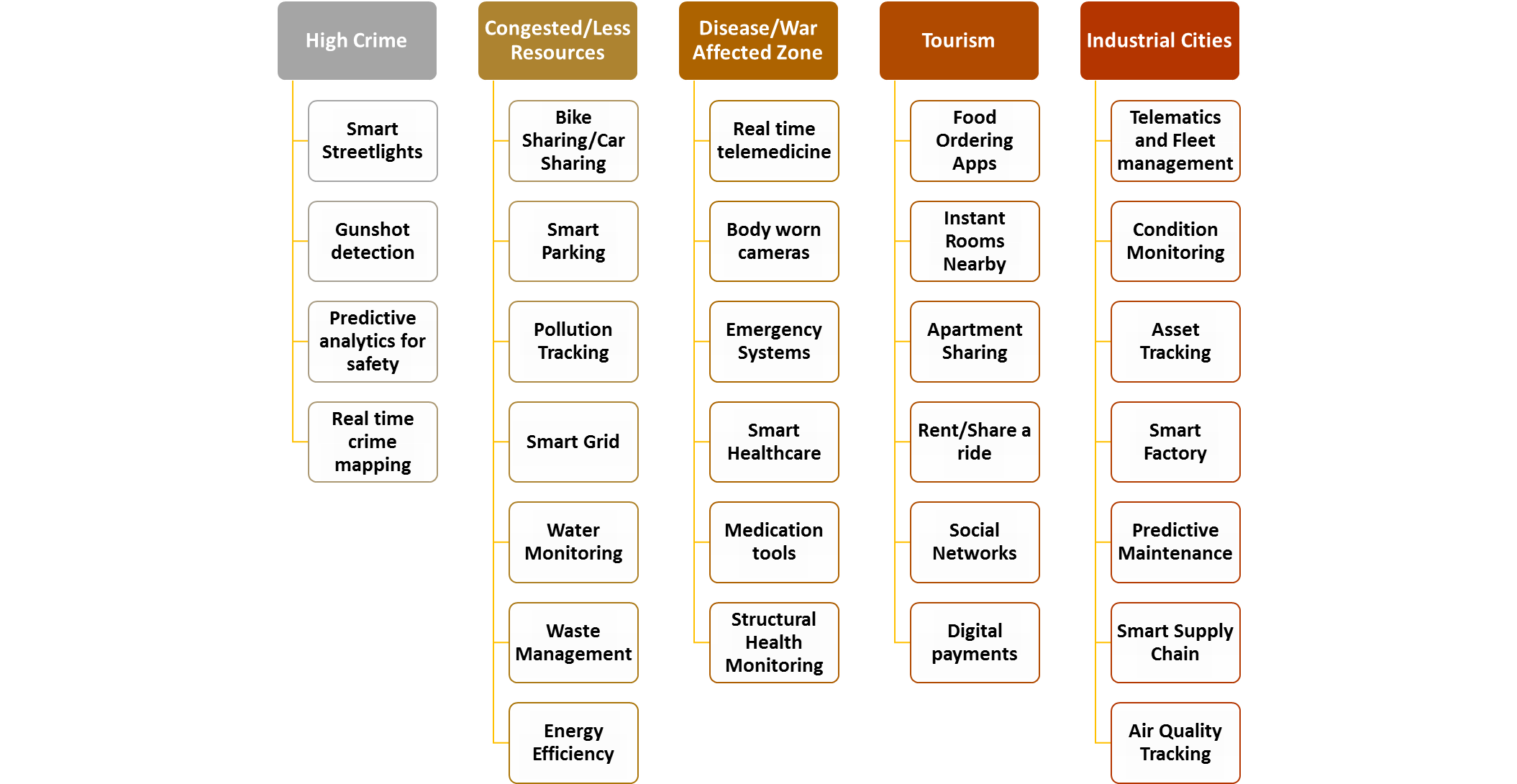
When the focus is on citizens first, revenue streams open up faster than when infrastructure alone is prioritized. A human‑centric vision is therefore the fastest path to a more habitable planet.
Author: Arun Rishi Kapoor, Business Consultant, Tech Mahindra
Internet of Things Technology
- How IIoT Standards Are Empowering the Next Generation of Smart Cities
- Smart Lighting: The Cornerstone of a Truly Connected City
- Smart Cities: Delivering Tangible Benefits Through Proven Connectivity Solutions
- AIoT: The Next Generation of Smart Traffic Management
- Build a Reliable Timer in VHDL: Counting Clock Cycles to Hours
- LPWA Technologies Empower Smart Cities: Enhancing Air Quality and Water Management
- Smart Cities: Are We Truly Smarter or More Vulnerable?
- 5 Steps to Building Smarter, Safer Cities
- How IoT Drives Smart Infrastructure to Transform Cities
- Create a 3D Printing Profile: A Step-by-Step Guide to FDM Success