



How IIoT Standards Are Empowering the Next Generation of Smart Cities

Why Standards Matter
In an increasingly connected world, the Industrial Internet of Things (IIoT) brings together healthcare, transportation, energy, building automation, and more. Historically, each sector operated in isolation, relying on proprietary hardware and software that made cross‑system data exchange costly and complex. As cities evolve into smart ecosystems, the need for standardized, interoperable solutions becomes critical to unlock their full potential.
Where to Begin
Achieving true IIoT integration requires two foundational pillars: system interoperability and integrated security. The Industrial Internet Consortium (IIC) addresses these needs through its Security Framework and the Industrial Internet Connectivity Framework (IICF). The IICF provides a clear reference architecture that facilitates seamless communication across devices, applications, and systems from disparate industries.
Industrial Internet Connectivity Framework (IICF)
The IICF’s reference architecture (see Figure 1) centers on a standards‑based core connectivity bus. By bridging all devices, subsystems, and applications to this core standard, the framework guarantees interoperability, simplifies security implementation, and streamlines integration. Legacy devices and alternate APIs are accommodated via gateways, while standard gateways enable cross‑industry system interoperability.
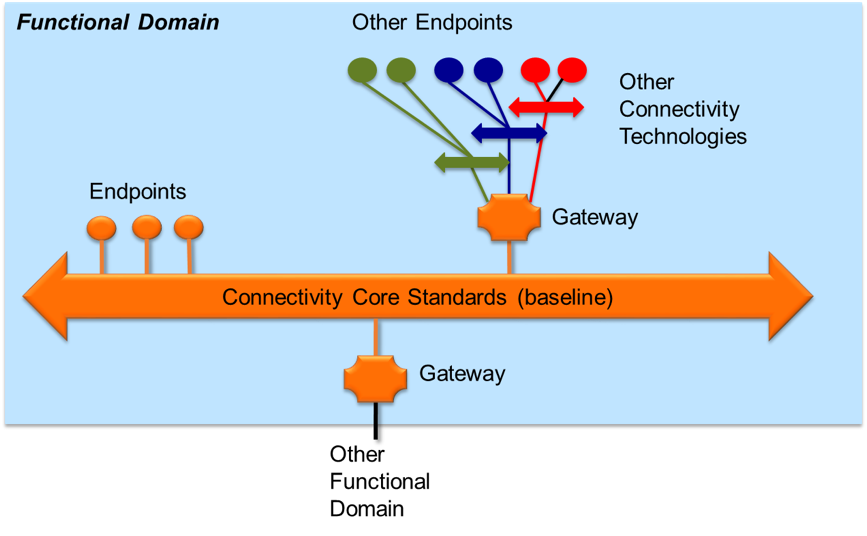 Figure 1: IICF reference architecture enabling interoperability across devices, subsystems, and systems of systems.
Core Connectivity Standards
Using core connectivity criteria, the IICF evaluates common IIoT protocols and identifies four standards that best meet these criteria. These standards are tailored to specific IIoT system types, ensuring optimal performance across use cases (see Figure 2).
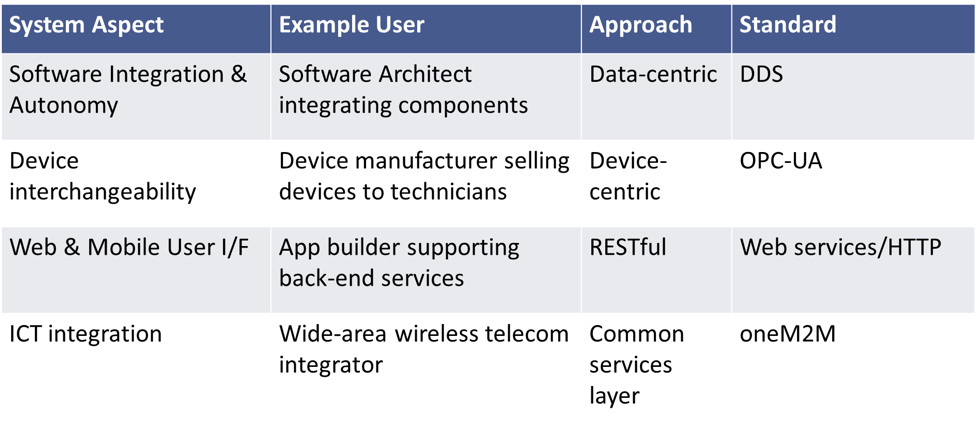 Figure 2: Summary of the four core connectivity standards recommended by the IICF.
A Smart City Use Case
Consider a heart‑disease patient monitoring at home who experiences an arrhythmia. A connected pulse monitor triggers an emergency alert, prompting an ambulance to navigate city streets. An intelligent traffic system automatically synchronizes traffic lights along the route, while real‑time medical data streams to the hospital’s emergency team. Upon arrival, the patient’s monitoring devices seamlessly integrate into the hospital’s patient monitoring system. This scenario demonstrates the necessity of interoperability across smart home, transportation, and healthcare IIoT systems—something only a robust core connectivity architecture can deliver.
Building the Future
Complex IoT deployments demand integration across countless devices, subsystems, and entire systems. The IICF offers a connectivity reference architecture and guidance on core connectivity standards to address this challenge head‑on. By leveraging IIoT, we envision a world where vehicles communicate with streetlights to reduce congestion, power grids optimize energy use for greater efficiency, and connected medical systems streamline patient care. With proven standards, technical frameworks, and collaborative innovation, we can make cities smarter, safer, and more sustainable.
This post was originally published in the Object Management Group® (OMG®) blog.
Internet of Things Technology
- Standards vs. Standardization: How Interoperability Fuels Innovation in Self‑Driving Cars
- Day Two at IoT World: Leveraging DDS to Enhance Smart Window Shades
- Smart Cities: Are We Truly Smarter or More Vulnerable?
- Building Human‑Centric Smart Cities: A Strategic Blueprint
- 5 Steps to Building Smarter, Safer Cities
- How Fibre Networks Enhance Safety on Smart Motorways
- IIoT: Driving the Shift from Products to Outcome‑Based Services
- Leveraging IoT for Smart Water Management: Enhancing Efficiency and Sustainability
- Smart Waste Management Systems: Transforming Urban Efficiency and Sustainability
- Exploring the Limits of AI: Capabilities, Scope, and Constraints