



PA11 vs. PA12: Choosing the Right SLS Material for Your 3D Print
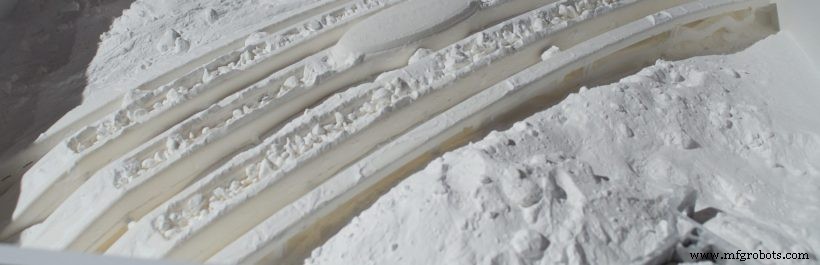
Selective laser sintering (SLS) builds solid objects layer by layer by fusing fine powders with a laser. For industrial 3D printing, the powders are almost always based on nylon, a synthetic polyamide. Within this family, the industry focuses on two key variants: PA11 and PA12.
Both polyamides bring unique strengths, so most specification sheets highlight whether a powder is PA11 or PA12. Understanding these differences enables you to match material performance to your specific application.
Let’s examine each material in detail.
PA11
PA11 is a fine bioplastic made from vegetable‑oil derivatives, giving it a low environmental impact. Its high elasticity delivers excellent impact resistance and superior UV stability, though its heat resistance is modest compared to other polyamides. PA11 excels at capturing fine details—thin walls, lattice structures, and complex geometries—making it a popular choice for automotive interior components and other functional, load‑bearing parts.
PA12
PA12 originates from petroleum sources and offers a strength profile comparable to injection‑molded plastics. It is exceptionally strong, stiff, and maintains performance even under extreme temperatures. PA12 resists cracking, abrasion, moisture, and a wide range of chemicals, with consistent properties over time. These traits make PA12 the go‑to material for durable, high‑strength parts, such as aerospace components, and for parts that must meet strict regulatory standards. Additionally, PA12 accepts a broader range of finishing options, which is advantageous for display items or aesthetic enhancements.
Choosing the Right Powder for Your Next SLS Print
When selecting a material, start by checking the specification sheet for PA11 or PA12. From there, assess the specific performance requirements of your part—impact resistance, heat tolerance, mechanical load, regulatory compliance, or finish quality. Remember that modern composites blend PA11 or PA12 with fillers like glass (DuraForm GF), carbon fibre (DuraForm ProX HST), or aluminium (Alumide®) to tailor mechanical properties. Exploring these options and consulting with your materials supplier can unlock performance that meets or exceeds your design goals.
3D printing
- Selective Laser Sintering (SLS): Cutting‑Edge Technologies, Advanced Materials, and Expanding Applications
- Choosing the Optimal CNC Material: A Guide to Performance, Cost, and Application
- Choosing the Right Brake Lining Material: A Comprehensive Guide
- Understanding Industrial Materials: Types, Uses, and Benefits
- Choosing the Right Investment Casting Materials: Types, Benefits, and Applications
- Exploring the Core Additive Manufacturing Methods
- Residual Stress in Materials: Types, Causes, and Practical Applications
- Mastering Fluid Flow: Types, Behaviors, and Applications
- Exploring Material Flexibility: How Elasticity Determines Performance
- Essential Environmental Glossary: Key Terms Explained