



Master Vapor Polishing for Flawless 3D Printed Parts
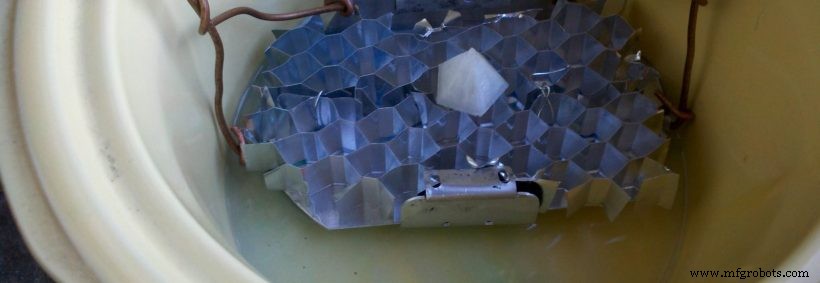
When it comes to finishing 3D printed parts, a growing array of techniques offers exceptional results. In this guide we focus on one of the most reliable and hands‑free methods for achieving a smooth, glossy surface: vapor polishing.
What is Vapor Polishing?
Vapor polishing uses solvent fumes—most commonly gaseous acetone—to gently melt the surface of a plastic part. The part is suspended in an enclosed chamber above a small chemical bath, allowing every surface to receive the vapor for a precisely controlled time. The result is a uniformly polished finish without the need for sanding or manual buffing.
Unlike dip‑bath or aerosol methods, vapor polishing delivers consistent results and preserves fine details, making it ideal for intricate designs. Because acetone evaporates at room temperature, the process is simple and safe when performed in a well‑ventilated area.
For medical‑grade components, vapor polishing is especially advantageous because it cleans internal cavities as well as the exterior, ensuring debris‑free interiors that meet regulatory standards.
Steps to a First‑Class Finish
- Match the solvent to the material. ABS responds exceptionally well to acetone vapor, while nylon and other solvent‑resistant polymers may not. Always check material specifications before proceeding.
- Prep rough surfaces. Parts with high surface roughness may benefit from a light sanding step before vapor treatment to improve final quality.
- Control exposure time. Exceeding 15 minutes can deform the part. Check the part every 5 minutes and remove it at the first sign of warping.
- Allow time to solidify. After removal, let the part sit in a well‑ventilated area for at least 30 minutes to fully harden. Avoid touching the surface to prevent fingerprints.
- Consider post‑polish annealing. Materials like polycarbonate may need an annealing cycle to relieve residual stresses and prevent cracking.
Health & Safety First
Acetone fumes are toxic; always work in a ventilated space and wear gloves and eye protection. For frequent use, set up a dedicated polishing station or outsource to a specialist facility. Clean the chemical bath thoroughly after each run, as mixing solvents can create hazardous reactions.
Why AM Professionals Should Consider Vapor Polishing
While not suitable for every application, vapor polishing offers a fast, efficient, and high‑quality finishing option for additive manufacturing professionals. It reduces post‑processing time and eliminates the need for labor‑intensive sanding, making it a valuable tool in any production workflow.
3D printing
- 6 Essential Steps to Ensure Your 3D Models Print Perfectly
- Achieve Stunning Color Results on Your Next FDM Print
- Metal Plating for 3D Printed Parts: A Practical, Expert Guide
- Mastering 3‑D Print Orientation: Tips for Surface Finish, Strength, and Support Efficiency
- Choosing the Right Thread Mill: Single vs. Multi-Form Options
- How to Build Durable 3‑D Printed Hinges for Accurate Prototypes
- Maximize Efficiency: Next Steps for Automating Your Flexible Manufacturing System (FMS)
- 10 Proven Water-Resistant Solutions for 3D Printed Parts: Materials & Post-Processing
- Precision Metal Polishing: Leading Solutions for 3D Printed Parts
- Expert Guide to Polishing Metal Parts in 3D-Printed Medical Devices