



Injection Molding vs. 3D Printing: Choose the Best Manufacturing Process for Your Business
Plastic injection molding and 3D printing are two different manufacturing processes that are used to create a wide range of parts and components. It is essential to understand the differences between these to processes to determine which one best suits your needs.
What Is Plastic Injection Molding?
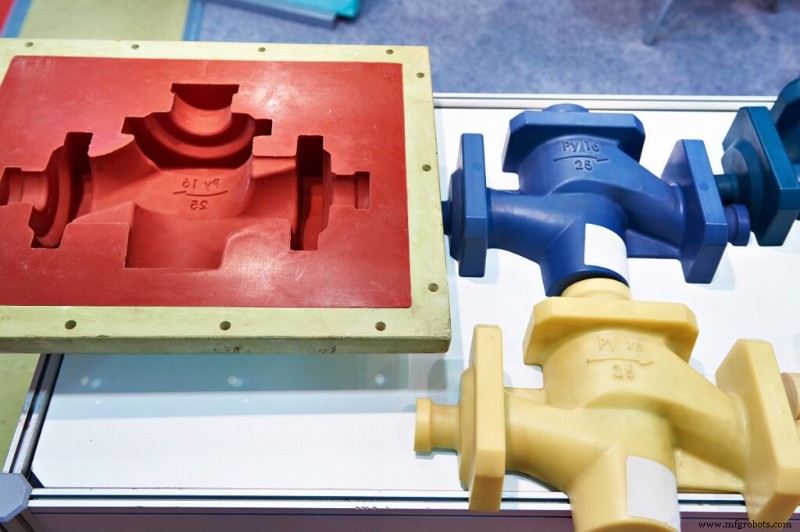
As the name implies, plastic injection molding is injecting plastic into a mold. The plastic is in a liquid form when it is injected, and it is extremely hot. The mold must be made of a material that can handle these high temperatures and not melt.
To create the mold, the inverse of the desired output is carved out of some material. Some type of temperature-resistant material is used to create the mold, as it needs to withstand high temperatures. Creating the mold is a detailed process that is often accomplished using computer-aided design apps and CNC machines to carve out the mold.
Advantages of Plastic Injection Molding
Some of the advantages of plastic injection molding include:
- Rapid Prototyping: It is easy to quickly make a plastic mold and create a prototype of the desired object using a single mold.
- Plastic Prototyping: If you are not sure what material would be best for your part or component, you can create a prototype in plastic to determine how it will look and fit into the design.
- Custom Plastic Injection Molding: Parts and components can be customized to fit specific needs and requirements simply by designing and creating the right mold.
- Mass Production: Many molds can be created and used simultaneously in the same plastic injection molding machine to mass-produce the parts and components. Mass production also lowers the cost per piece, the larger number of pieces you produce.
- Improved Strength: There are no seams because parts and components consist of a single piece, which results in a stronger finished product.
- Lower to Little Waste: The mold will only hold a set amount of liquid plastic, so waste is minimal. If the plastic doesn’t set right or is flawed in some manner, it can be recycled and reused.
Disadvantages of Plastic Injection Molding
There are a few drawbacks of using injection molding to create parts and components that you do need to be aware of:
- Equipment Costs: The costs to purchase your own plastic injection molding machines can be rather expensive for small to medium operations. However, you can always use plastic injecting molding services and outsource the production of needed parts and components instead.
- Mold Design Limitations: There is a limit to what types of mold designs you can create. Certain finer details are not always possible, as well as certain angles and slants. This is not to say it can’t be done, but the process may not deliver the quality you desire.
- Mistakes Can Be Difficult to Fix: You are relying on the accuracy of the mold to ensure your plastic parts and components are made to spec. If there is a single flaw in the mold, then each part and component will also be flawed. To fix the mistake, you have to, essentially, start over with a brand-new mold.
What Is 3D Printing?
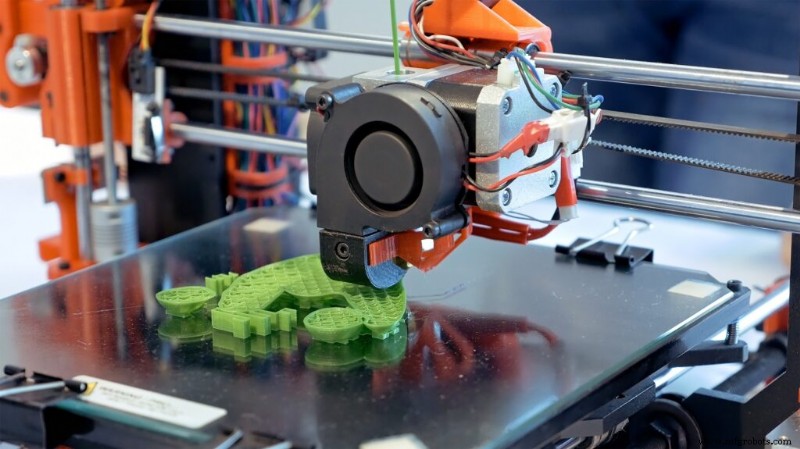
3D printing is an additive manufacturing process. It is taking raw material and printing it layer upon layer until the finished part or component is created. Unlike injection molding, where liquid plastic is injected into a mold, 3D printing heats the material up just enough so that each layer bonds together.
3D printing does require the right type of printer that supports the type of materials you want to create your parts and components from. You will also need computer-aided design apps to design the desired parts and components.
Advantages of 3D Printing
There are several advantages of 3D printing parts and components, as follows:
- Can 3D Print a Wide Range of Materials: Initially, when this technology first came out, plastics were the only viable material that could be used. Thanks to advances, a wide range of materials can be used to 3D print objects, including polycarbonate, metals, resins, epoxy, nylon, and photopolymers.
- Perfect Option for Small to Medium Operations: 3D printing makes it easy for small and medium operations to produce the parts that are needed. If you are not ready to invest in a 3D printer, there are 3D printing services that can print your parts and components for you.
- Lower Startup Costs: The costs to buy a printer and materials is much less than the costs of a plastic injection molding machine.
- Rapid Prototyping: Rapid prototyping is much faster when using a 3D printer compared to injection molding since you just need to create the digital 3D design and choose what material you want it printed in.
- No Molds Required: You don’t need a mold to create your parts and components, just the digital 3D design, the 3D printer, and the right material.
- Easy to Fix Mistakes: If you notice problems or flaws in the design, these are easy to fix and correct since you will see it right away after printing the first part or component. You can also fix mistakes mid-print when you catch them, by pausing the printing process, fixing the mistakes, and then restarting the printing process at the precise point you left off without having to start all over.
- Perfect for Complex Parts and Components: Since you are adding material when 3D printing, it allows you more flexibility to create complex parts and components from tight right angles to detailed small intricate designs.
Disadvantages of 3D Printing
There are also some drawbacks to using 3D printing to create custom parts and components, including:
- Can Require Secondary/Finishing Processes: 3D parts and components are very distinct and will not be smooth like injection molded parts and components. In order to achieve this level of output, you will have to use secondary and finishing processes.
- Size of Parts and Components Limited to Printer Size: There is a limit on the maximum size parts and components the printer can print. There is an extruder arm in the printer that will have a maximum height that correlates with the maximum height of output. Furthermore, the extruder arm will only move so far horizontally and back and forth, so, again, there is a limit on the width and depth of objects.
- Slow Production Processes: Since the 3D printer is layering material, the production output speed will be limited to how fast the printer can create the finished output. Many printers will only support printing a single part or component at a time too.
- Different Printers Can Be Required: If you want to print output using different materials, say plastic and titanium, you may need to invest in two different printers. You would need a 3D printer that supported plastic output and another printer that supported metal layered printing output.
Which Method is Best?
Now that you know the differences between plastic injection molding and 3D printing, as well as their pros and cons, you should realize they are two different methods for creating 3D parts and components. Yet, due to their pros and cons, there are times when one method will be better to use.
When Is Plastic Injection Molding Best?
- When you need to produce a large-scale output of the same parts and components.
- When the finished parts and components will be used as moving parts and components.
- When you want a solid, continuous part and component without having to use secondary/finishing processes.
When Is 3D Printing Best?
- When you have a small batch of parts and components you need to create.
- When rapid prototyping new parts and components to get a “rough” idea of how they will look, even if you use injection molding later.
- When you are in the design phase and you will be adjusting your designs and altering them.
- When you need detailed parts and components with intricate designs.
Both methods offer their benefits for various situations and purposes. For further information about plastic injection molding services, 3D printing services, rapid prototyping services, and secondary and finishing services, please feel free to contact Laszeray Technology, LLC at 440-582-8430 today!
3D printing
- Choosing the Right 3D Printing Solution for Your Business
- How Plastic Injection Molding Boosts Business Efficiency and Profitability
- Expert Plastic Injection Molding Services – High-Quality, Cost-Effective Solutions
- Advanced Plastic Injection Molding: Cutting-Edge Solutions for Modern Production
- Compression vs. Injection Molding: Choosing the Right Process for Your Product
- PLA vs ABS: Which Filament Is Best for Miniature 3D Printing
- Choosing the Right Computer for 3D Printing: Specs & Recommendations
- Choosing Between 3D Printing and Injection Molding: Which Method Delivers Best Value?
- CNC Machining vs. Injection Molding: Which Method Suits Your Plastic Parts?
- CNC Plastic Machining vs Injection Molding: Choosing the Best Production Method