



Choosing the Right 3D Printing Solution for Your Business
Are you exploring how additive manufacturing can accelerate your product development? 3‑D printing offers rapid, cost‑effective prototyping and low‑volume production, but selecting the right solution can be daunting. This guide walks you through the key decisions—materials, technology, workforce, and ROI—so you can confidently choose the best fit for your business.
Fused Deposition Modeling (FDM) remains the most widely adopted 3‑D printing technology. Its versatility spans consumer kits to industrial‑grade machines, making it an excellent starting point for most organizations. By defining the part’s geometry, performance requirements, and lifespan, you can narrow down the appropriate material from a broad palette of FDM plastics.
When evaluating materials, consider mechanical, thermal, electrical, chemical, and environmental properties. FDM systems typically work with ABS variants that offer electrostatic dissipation, translucency, or biocompatibility, as well as ASA for UV‑resistant, high‑aesthetic parts. Because these materials mirror those used in injection moulding, you can validate fit and function before committing to tooling.
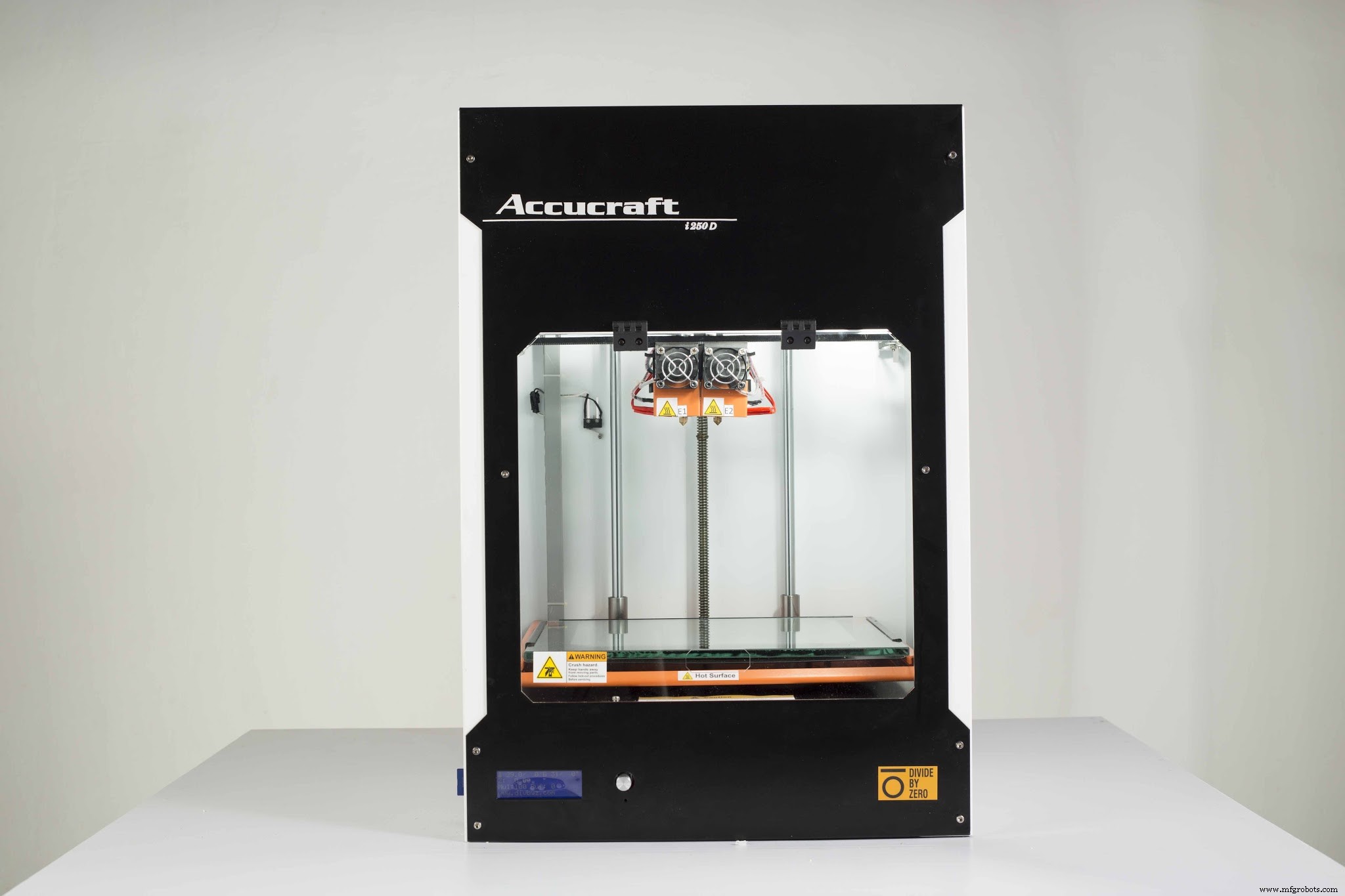
Assess Your In‑House Expertise
Implementing an in‑house printer requires training—sometimes even new hires. Stratasys, for example, offers instructor‑led courses, webinars, and e‑learning modules for FDM and PolyJet technologies. Partnerships with universities also help build the next generation of designers and technicians. If internal resources are limited, outsourcing to a service bureau can mitigate risk while you learn the technology.
Consider Your Work Environment
Some printers are office‑friendly, while others demand dedicated space and ventilation. Service bureaus can provide access to high‑performance equipment without the need for on‑premise installation.
Analyze Your Current Prototyping Costs
To build a compelling business case, quantify your existing expenses—including tooling, finishing, and assembly. Look for opportunities to reduce time and money by consolidating parts, eliminating prototype tooling, and automating manual tasks.
Ask yourself how faster, iterative prototyping could benefit your operations:
- Catch design errors early?
- Reduce tooling rework?
- Lower engineering change orders?
- Improve quality and cut warranty claims?
- Accelerate product launches?
- Expand market share?
These advantages may be harder to quantify but are critical to a robust ROI analysis. Remember that total cost of ownership includes more than just the printer and material—facility needs, labor, and maintenance contracts all factor in.
What Do You Gain by Prototyping More?
Machine: Professional 3‑D printers range from under $3,000 to over $1 million.
Materials: Material costs and usage volume significantly influence ownership expenses.
Equipment & Facilities: Some printers fit any office; others require specialized setup.
Labor: Depending on the technology, you may need a dedicated operator or can train existing staff in hours.
Support & Maintenance: Annual service contracts reduce downtime and stabilize costs.
Decision‑makers often resist change, but the cost of inaction—frequent change orders, stalled product lines—must be highlighted.
Revenue‑Generating Opportunities
Framing the business case around revenue, not just cost savings, can be compelling when customization, faster time‑to‑market, or truly novel designs unlock new market segments.
3D printing
- 3 Proven Ways GrabCAD Optimizes 3D Printing Workflows
- Proven Strategies to Attract More Clients and Grow Your Business
- Leverage Modern Technology for Business Growth and Efficiency
- Elevate Business Productivity with Smart Contract Solutions
- Begin Your Business Automation Journey: A Practical Guide
- Elevate Your Textile Business with Hash Manufacturing Automation
- CNC Machining vs. 3D Printing: Which Technology Delivers Superior Performance?
- On-Premise vs Cloud: How to Choose the Right Infrastructure for Your Business
- Choosing the Right Maintenance Strategy for Your Business Assets
- Injection Molding vs. 3D Printing: Choose the Best Manufacturing Process for Your Business