



10 Key Benefits of Choosing Desktop SLS 3D Printing
SLS 3D printing technology is one of the most widely used technologies in the industrial sector today. This manufacturing technology consists of sintering powder material layer by layer and selectively using a high-power laser.
Recently, desktop SLS 3D printers, such as those from the manufacturer Sinterit, have been introduced in the market, allowing access to this printing technology to different market sectors. Why go for desktop SLS 3D printing?
1. Immediacy
When you have an SLS 3D printer, you can produce prototypes or final products without relying on third parties. This reduces the likelihood of delays in manufacturing times.
2. Precision
The acquisition of a desktop SLS 3D printer is a low-cost investment, considering that the precision it offers is similar to that of industrial machines, which require a much higher investment.
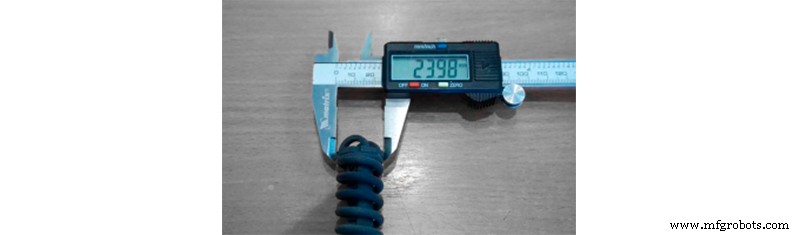
Image 1: 3D printing of parts with high precision. Source: Sinterit.
3. Complexity
SLS 3D printing enables the in-house manufacture of complex mechanisms and highly detailed parts, moving away from the assembly constraints of traditional manufacturing methods.
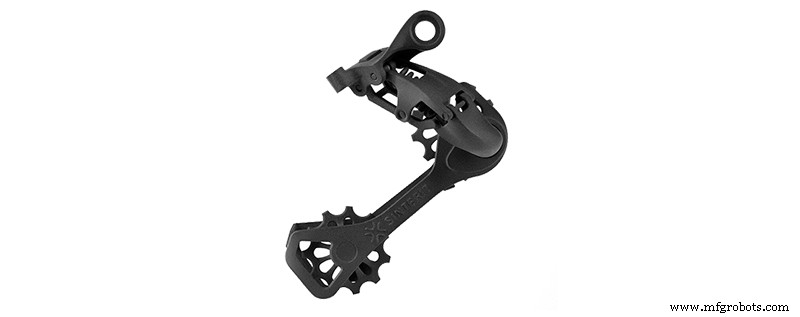
Image 2: 3D printing of complex parts and mechanisms. Source: Sinterit.
4. Resistance
The wide range of advanced materials available for this 3D printing technology makes it possible to produce strong parts with high mechanical, thermal and chemically stable properties.
5. Quantity
SLS 3D printing allows the 3D printing of several elements at the same time, depending on the manufacturing volume of the 3D printer used.
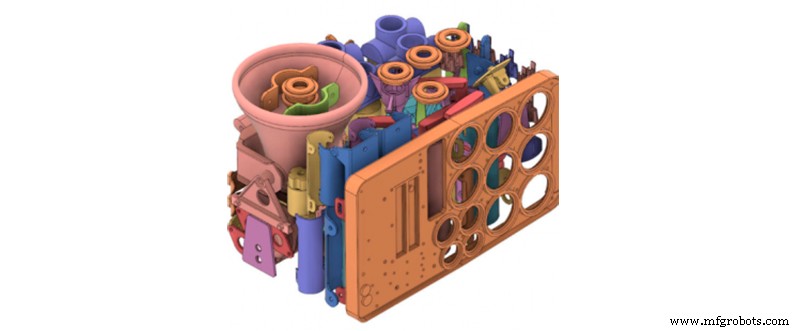
Image 3: Multi-part 3D printing setup. Source: Sinterit.
6. Materials
The variety of existing materials for SLS 3D printing allows the realisation of parts with applications for various sectors.
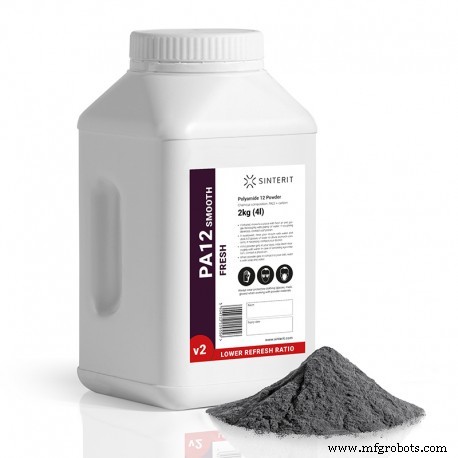 PA12 powder
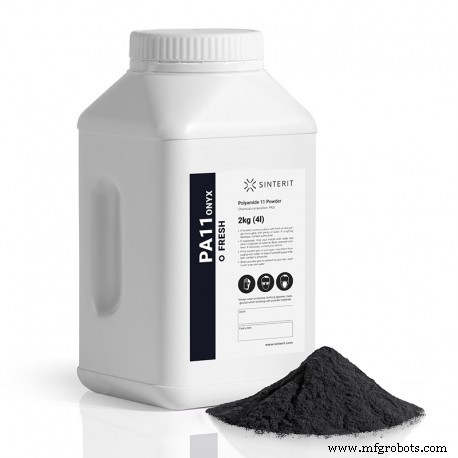 PA11 powder
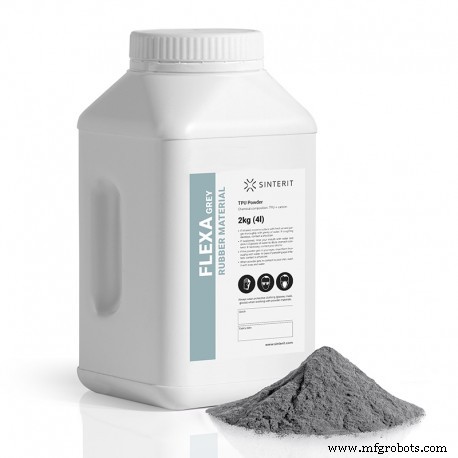 FLexa Gray powder
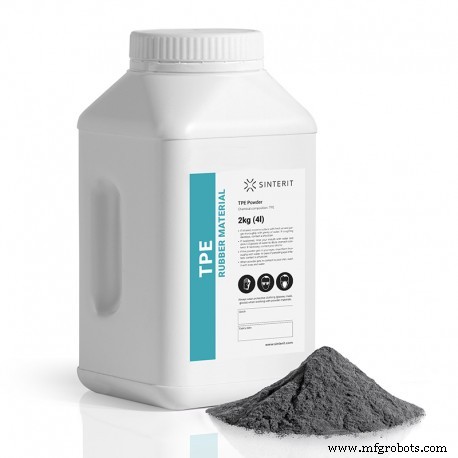 TPE powder
7. Low cost
A small amount of material is required to start using this 3D printing technology. In addition, it is possible to reuse powder, optimising consumption, cost and waste management.
8. Post-processing
The post-processing of the parts printed using this 3D printing technology is the simplest, as the parts do not require supports for their manufacture. The post-processing of the parts is simply carried out by vacuuming and/or sandblasting the parts to remove any dust that may have adhered to their surface.
9. Compact
SLS desktop 3D printers are a compact solution, perfect for small businesses, product designers or architectural firms.
10. Accessibility
Thanks to competitive prices and ease of use compared to industrial solutions, SLS desktop 3D printers are an excellent choice for companies as well as for research and education centres.
SLS 3D printing is mainly focused on the professional and industrial sector. Its main advantage is the possibility of manufacturing completely solid parts with complex shapes without the use of supports. With the arrival of desktop SLS 3D printers, the possibilities of using this manufacturing technology are expanding.
Without a doubt, SLS 3D printing is the most advanced technology at industrial and professional level thanks to its high quality, reliability and precision.
3D printing
- How Desktop 3D Printers Are Reshaping Industrial Manufacturing
- KUHMUTE Revolutionizes Micromobility with SLS 3D‑Printed Charging Adapters
- Understanding SLS 3D Printing: How Selective Laser Sintering Creates Durable Parts
- Selective Laser Sintering (SLS) 3D Printing Explained: Professional Insights
- SLS vs FDM 3D Printing: Which Technology Should You Choose?
- Casting vs 3D Printing: Choosing the Right Manufacturing Method
- 5 Key Benefits of Partnering with a Professional 3D Printing Service
- MJF vs. SLS: Which 3D Printing Technology Wins for Polymers & Elastomers
- FDM 3D Printing: Choosing Between Desktop and Industrial Solutions
- Optimal SLS 3D Printing: Expert Tips for Workpiece Positioning