



Understanding ABS‑ESD7: The ESD‑Safe Filament for High‑Risk 3D Printing Applications
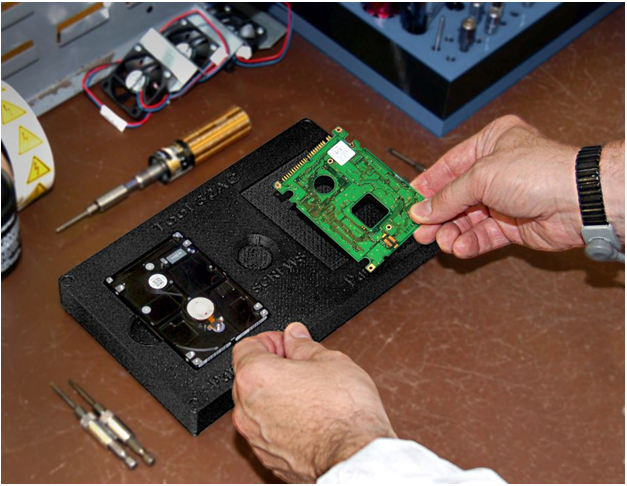
As a dedicated Weather Channel viewer and technology enthusiast, I’ve long been captivated by lightning—nature’s most beautiful yet dangerous phenomenon, which is essentially a massive electrostatic discharge (ESD).
ESD occurs when two objects contact and transfer charge. Positive charges tend to accumulate on organics like human skin or animal fur, while negative charges are common on synthetic materials such as Styrofoam or plastic components. Remarkably, a human body can store up to 25,000 V of static charge.
Even a single ESD event can erase magnetic media or damage sensitive electronics, and repeated discharges degrade components over time. To mitigate these risks, manufacturers use conductive, antistatic, or dissipative plastics in critical parts.
So, how does this relate to 3‑D printing? Stratasys’ Fortus 400, 380/450, and 900 Production Systems can print a wide array of materials, including ABS‑ESD7. Introduced in 2011, this FDM filament is specifically engineered for electronics manufacturers and is suitable for a variety of industries such as:
- Jigs & fixtures
- Transportation
- Medical devices
- Aerospace
- Production lines and conveyor parts
ABS‑ESD7 resists particulate attraction—dust, powders, or atomized liquids—making it ideal for building functional prototypes of fuel storage and delivery systems where static ignition could be catastrophic.
Stratasys achieves this by adding the optimal amount of fine carbon powder to its parent ABS matrix, increasing electrical conductivity and preventing static buildup. While the carbon improves tensile and flexural strength, it also slightly raises brittleness. Thermal properties remain comparable to standard ABS.
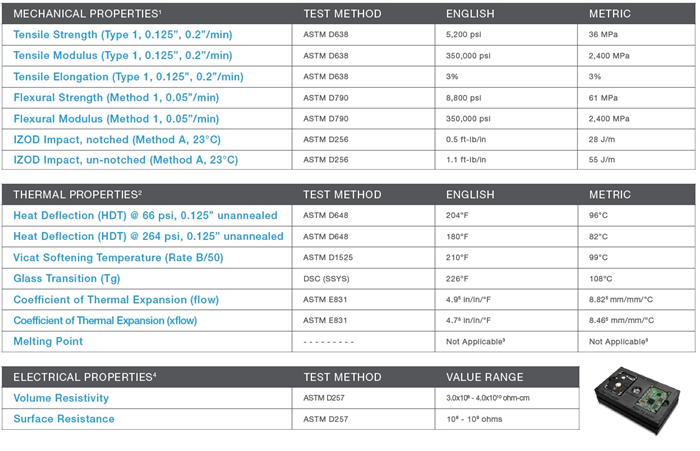
ABS‑ESD7 is available only in black and uses soluble supports. Layer heights of 0.178 mm (0.007”) and 0.254 mm (0.010”) are supported.
Safety First
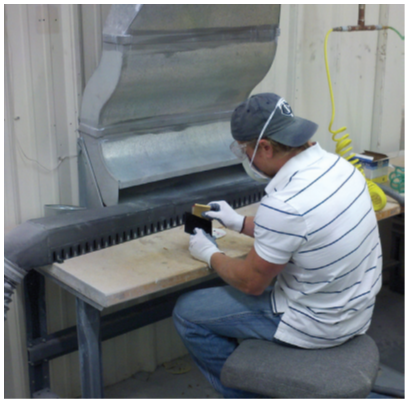
When sanding ABS‑ESD7, carbon particles are released into the air. Use an N100 respirator and eye protection—N100 masks are rated for airborne carbon. Sand in a well‑ventilated area, ideally a dust‑collection system or paint booth. For full safety data, download the MSDS sheets: MSDS.
Finishing
ABS‑ESD7 can be finished with standard smoothing or bonding methods—solvents, epoxies, hot‑air welding, ultrasonic welding, and super glue. Unlike regular ABS, it cannot be smoothed using the finishing touch station.
Packaging
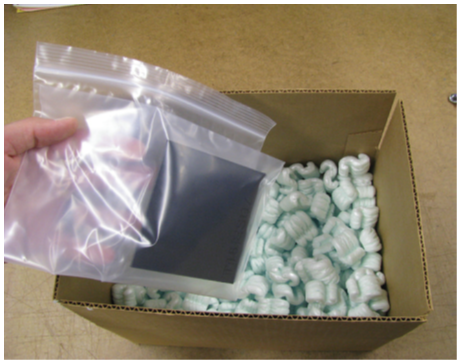
Keep the filament free from foreign particles by avoiding packing peanuts or lint. Store components in a plastic bag during transport to prevent contamination.
Stratasys continues to innovate with materials like ABS‑ESD7, empowering customers to expand their additive manufacturing capabilities. Contact us for more information about ABS‑ESD7 or our Production Systems.
Tags: 3D Printers, ABSESD7, Solidworks, Stratasys
3D printing
- Electrical Discharge Machining (EDM): Precision Without Contact
- 3D Printing: The Future of Manufacturing and Medicine
- ATI & 3M Co-Host Free Webinar: Mastering Material Removal with Robotics
- Shore Hardness Demystified: A Complete Guide for Engineers & Designers
- Mastering Material Jetting 3D Printing: Fundamentals & Applications
- Understanding Material Hardness: Key Insights for Project Success
- Essential Guide to Industrial Friction Materials: Applications, Types, and Performance
- Solder Mask Materials: Key Features, Uses, and Benefits for PCB Design
- Mastering Material Bar Straightness: Essential Guidance for Machine Shops
- Top Steel Facts: Why It Remains the Most Reliable Construction Material