



Why Glue Is Essential for the MarkOne Print Bed: 3 Key Benefits
Why Glue Is Essential for the MarkOne Print Bed
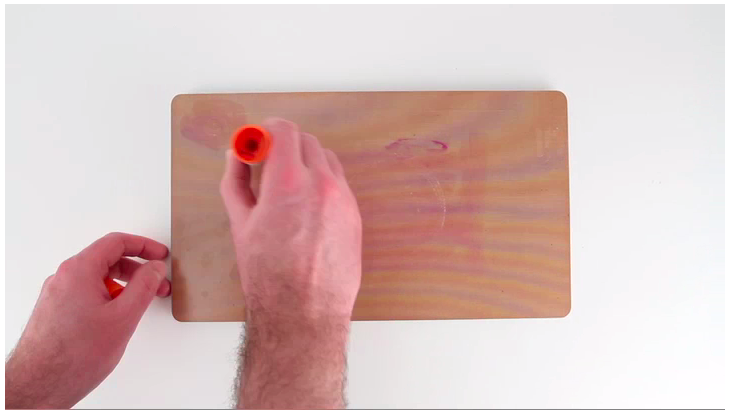
When preparing a build on the MarkOne, applying a thin coat of glue over the designated print zone and the upper‑left reference area is a proven practice. Here’s why.
1. It Secures the First Layer
A light layer of glue anchors the initial nylon filament, ensuring it deposits precisely where you intend. This stability reduces curling, mitigates displacement errors, and elevates your overall print success.
2. It Serves as a Release Agent
After the build completes, a glued surface makes extraction effortless. Using a scraper, the part can be lifted cleanly from the edge, leaving a smooth bottom surface and preventing damage.
3. It Is Water‑Soluble for Easy Cleaning
Elmer’s Glue (or similar water‑soluble adhesives) rinses away with warm water, removing residual nylon and leaving a pristine bed for the next job. This simple step eliminates contamination and saves time.
In short, a thin glue layer before each print: ensures firm adhesion, simplifies part release, and speeds bed cleanup.
3D printing
- Mark Two Unveiled at SolidWorks World 2016 – Faster, Stronger, Smarter 3D Printing
- Mark X 3D Printer – Superior Strength, Precision, and Insightful Build
- Carl Calabria’s Expert Guide to Installing Inserts on the Mark One 3D Printer
- How to Properly Apply Glue Stick on Your Mark One Print Bed
- Five Essential Commandments for Flawless 3D Printing on the Markforged Mark One
- Should You Use a Heated Bed When Printing PLA? Expert Insights & Practical Tips
- Can You 3D Print on Glass? Expert Guide to Glass Print Beds
- Effortless Guide to Removing 3D Print Supports from the Bed
- 6 Key Issues with PCB Vias on High-Frequency Boards and How to Avoid Them
- Why Gantry Cranes Are Essential: Top 3 Benefits