



Inconel vs Stainless Steel: Selecting the Right Alloy for High‑Temperature, Corrosion‑Resistant Applications
Choosing the correct material is a foundational decision in any manufacturing project. While carbon steel may suffice for low‑stress, cost‑critical parts, many modern applications demand superior strength and corrosion resistance at elevated temperatures. To determine the best alloy, consider: For components that must endure high temperatures and aggressive environments, Inconel alloys offer unmatched performance. Conversely, medical devices, kitchenware, and many structural applications often benefit from the versatility of stainless steel. The following sections compare these two families of alloys, explore their ideal use cases, and highlight how additive manufacturing can streamline production. Read our newest customer success story about a major training base for the U.S. Army. Inconel is a family of nickel‑chromium superalloys engineered for extreme environments. Its key strengths include: These attributes come at a premium: Inconel is costly, difficult to machine, and typically requires specialized tools. Additive manufacturing can mitigate these challenges by reducing waste and eliminating the need for complex tooling. Stainless steels contain at least 10.5 % chromium, forming a protective oxide layer that resists rust. The family is divided into five main microstructural classes: Stainless steel’s versatility spans kitchenware, medical instruments, structural components, and food‑processing equipment. While both alloys excel in corrosion resistance, the choice hinges on cost, operating temperature, and required strength: For budget‑conscious, high‑strength parts operating at moderate temperatures, stainless steel is usually preferred. For air‑critical, high‑temperature components, Inconel offers superior performance. 3D printing (additive manufacturing) addresses the challenges of machining Inconel and stainless steel: Markforged Metal X demonstrates these advantages, enabling rapid prototyping and production of both Inconel 625 and 17‑4PH stainless steel parts for industries such as oil & gas, aerospace, and medical device manufacturing.
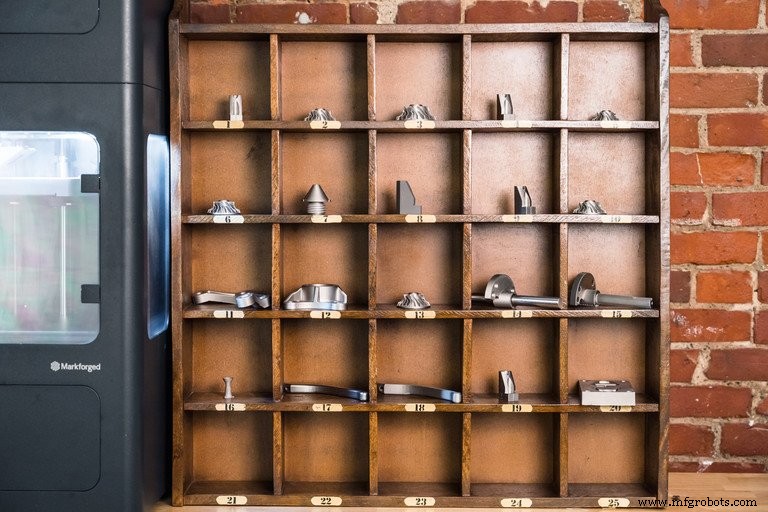
U.S. Army Case Study

Inconel
Download our Metal Design Guide
Stainless Steel
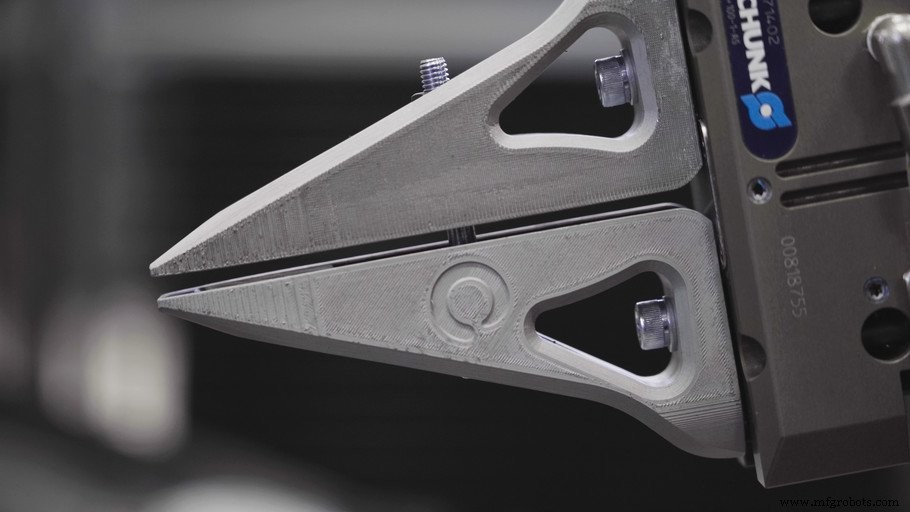
What’s the Difference?
Why 3D Print It?
3D printing
- Stainless Steel: Properties, Manufacturing, and Future Applications
- Carbon Steel vs Stainless Steel: Choosing the Right Material for Your Project
- Inconel vs. Stainless Steel: Which Is Stronger and Lighter?
- The Role of Nitrogen in Steel Performance
- Effective Stainless Steel Cleaning & Passivation: Protect Against Rust & Corrosion
- Carbon Steel vs Stainless Steel: Choosing the Right Alloy for Your Project
- Steel vs. Stainless Steel: Choosing the Right Metal for Your Project
- 304 vs. 316 Stainless Steel: Key Differences Explained
- Choosing the Right Metal: Inconel vs. Stainless Steel for Industrial Applications
- Mastering Stainless Steel Welding: Techniques & Tips