



Expert Q&A with Greg Mark: The Future of Adaptive Manufacturing with Blacksmith
What is Adaptive Manufacturing and How Is It Transforming Production?
For a century, machines produced parts without awareness of their quality. Thousands of out‑of‑spec pieces cost time and money. Adaptive manufacturing is changing that paradigm.
By embedding artificial intelligence, the manufacturing loop now closes. Inspection systems feed real‑time data back to the machine, enabling it to reprogram itself on the fly. The result? Parts that meet specifications on the first pass and every subsequent pass.
Sign up for Blacksmith updates
How Does Blacksmith’s Vision Relate to Self‑Driving Cars?
Just as self‑driving cars combine sensors and AI to navigate without human intervention, Blacksmith empowers factories to operate autonomously. The software learns from each part it produces, refining the entire process until precision is inherent.
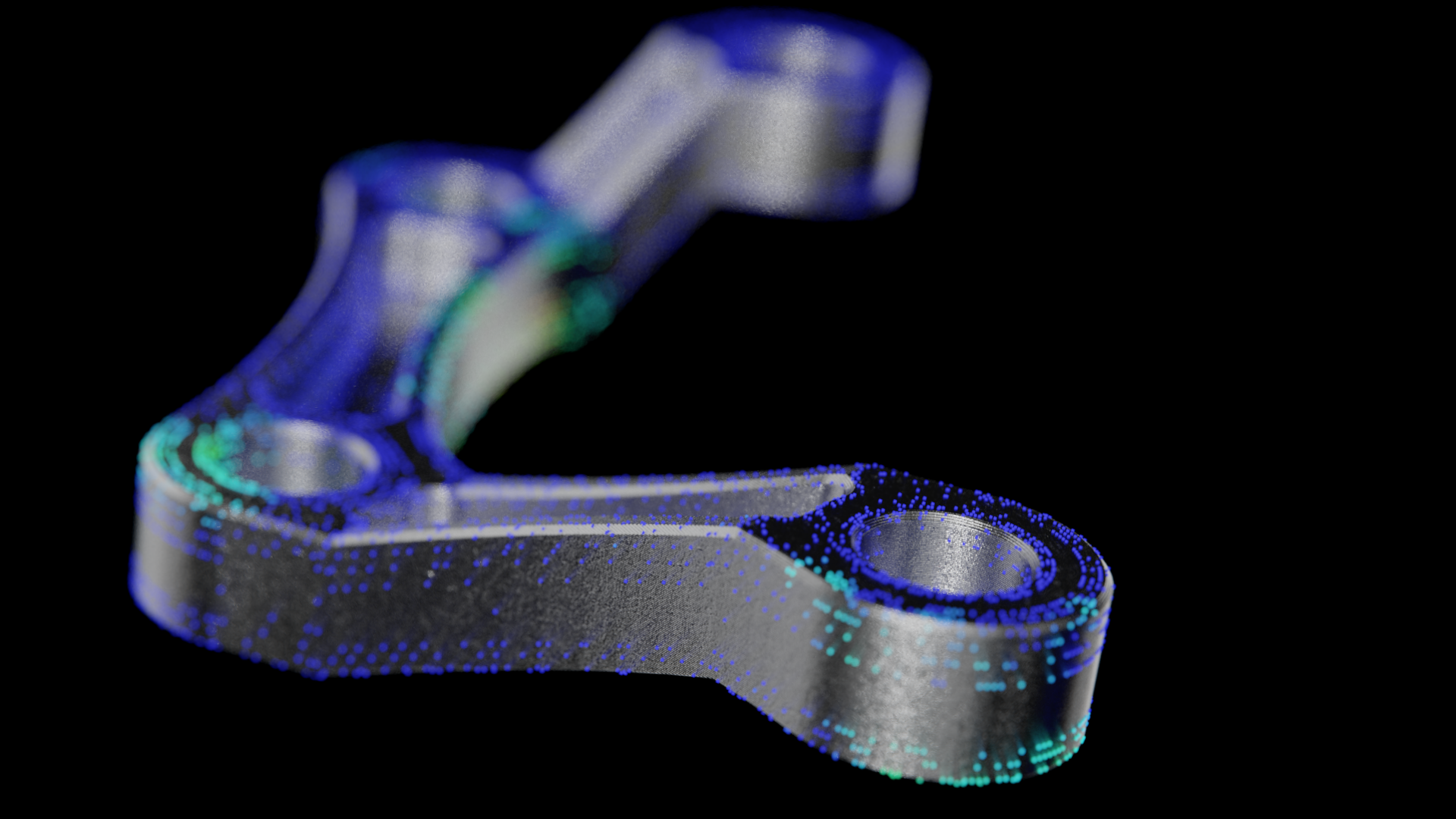
Blacksmith is Markforged’s AI platform at the heart of Adaptive Manufacturing. It continuously evaluates design data, compares it with scanned inspection results, and dynamically adjusts the end‑to‑end workflow to deliver flawless parts every time.
By dramatically increasing yield and reducing waste, Blacksmith will lower the cost of manufactured goods—mirroring the efficiency boom of the original assembly line—and could make high‑quality production viable again in regions where labor costs previously deterred investment.
Sign up for Blacksmith webinar
What Impact Will Blacksmith Have on the Future of Adaptive Manufacturing?
Blacksmith introduces three transformative changes:
- Massive Cost Savings – Predictable, high‑yield outputs slash waste, driving down production costs for manufacturers and consumers alike. This efficiency uplift supports a stronger global economy and promotes sustainability.
- Revolutionizing Metal 3D Printing – Each sintering cycle feeds data back into Blacksmith’s learning engine, refining the process for every subsequent print. The result is consistently superior metal parts without manual tweaking.
– By integrating AI with cloud‑based analytics across factories worldwide, Blacksmith learns at the scale of global production. It will become the go‑to advisor not only for 3D printing but also for CNC machining and other manufacturing methods.
Why the Name Blacksmith?
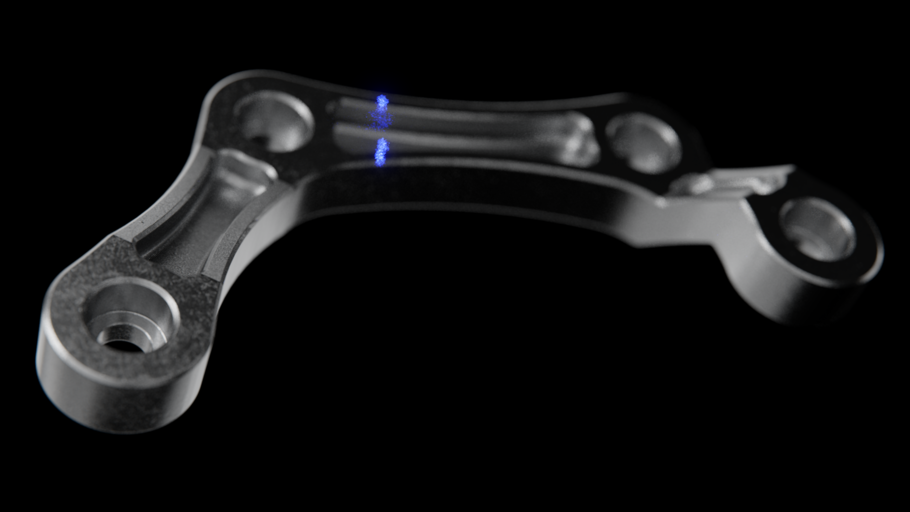
The name nods to the age‑old craft of precision metalwork and reflects our focus on metal 3D printing. Just as a traditional blacksmith hones skills over time, Blacksmith’s machine‑learning core builds manufacturing expertise in fractions of that time, delivering mastery across every part it produces.
When Will Blacksmith Be Available?
Blacksmith’s first release is slated for later this year, initially on Markforged 3D printers. Our long‑term vision is to extend the platform to every machine in a factory. Sign up to stay informed about progress and launch dates.
3D printing
- Reverse Engineering Meets Additive Manufacturing: Accelerating Innovation Across Industries
- How 3D Printing Reduces Manufacturing Costs: 6 Proven Strategies
- Revolutionize Assembly Fixtures with Markforged Composite 3D Printing
- Metal 3D Printing: Revolutionizing Production with Speed, Cost Savings, and Design Freedom
- Blacksmith: The Adaptive Platform Driving Innovation in Additive Manufacturing
- Additive Manufacturing 101: A Beginner’s Guide to 3D Printing
- Manufacturing with Recycled Materials: Building a Sustainable Future
- Elevate Manufacturing Efficiency with Motoman Robots
- Revolutionizing Appliance Manufacturing: Robots Drive Speed, Quality, and Market Edge
- Creating High-Quality Prototypes Using 3D Printing