



H13 Tool Steel – High‑Heat, High‑Strength Parts for Metal X Printers
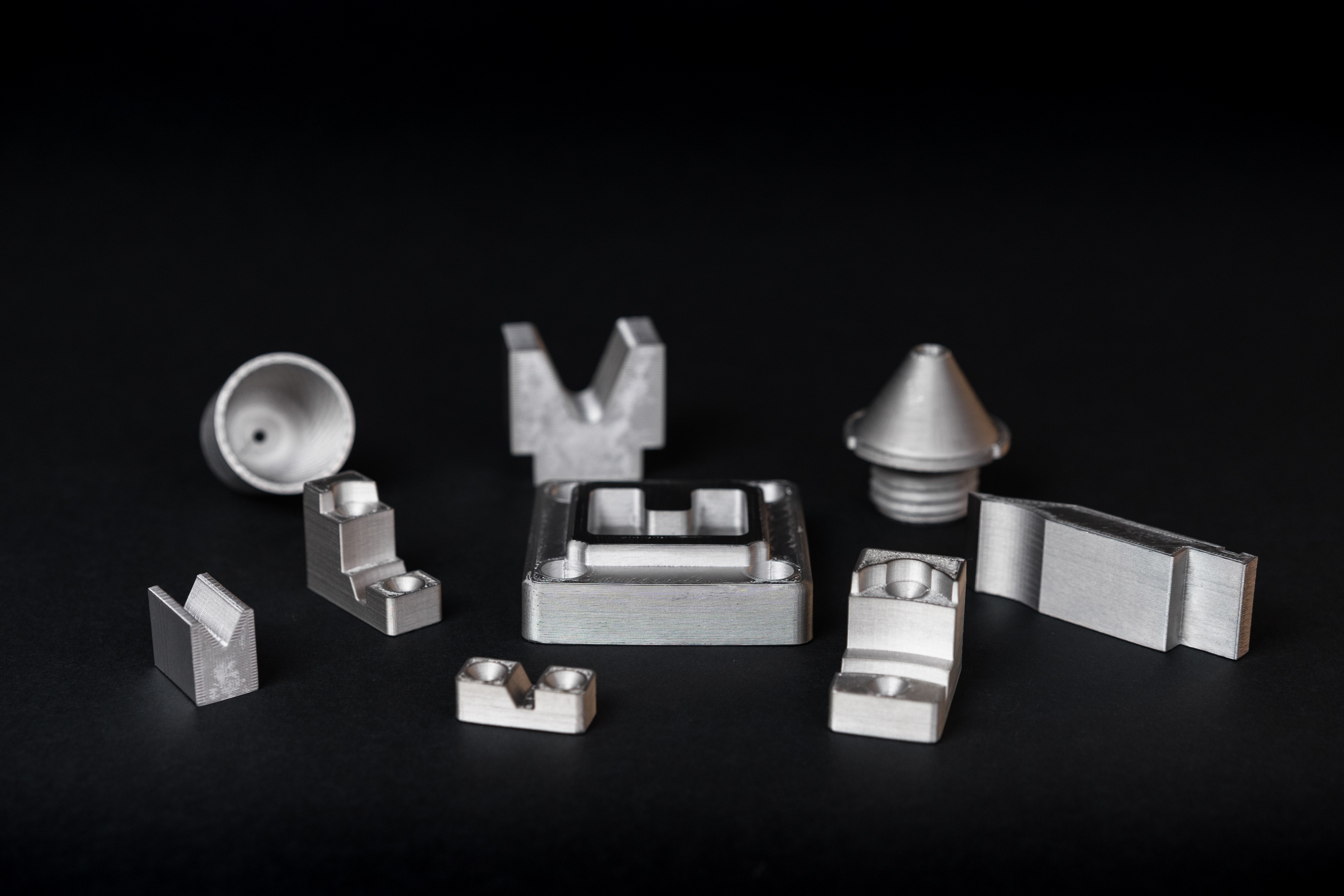
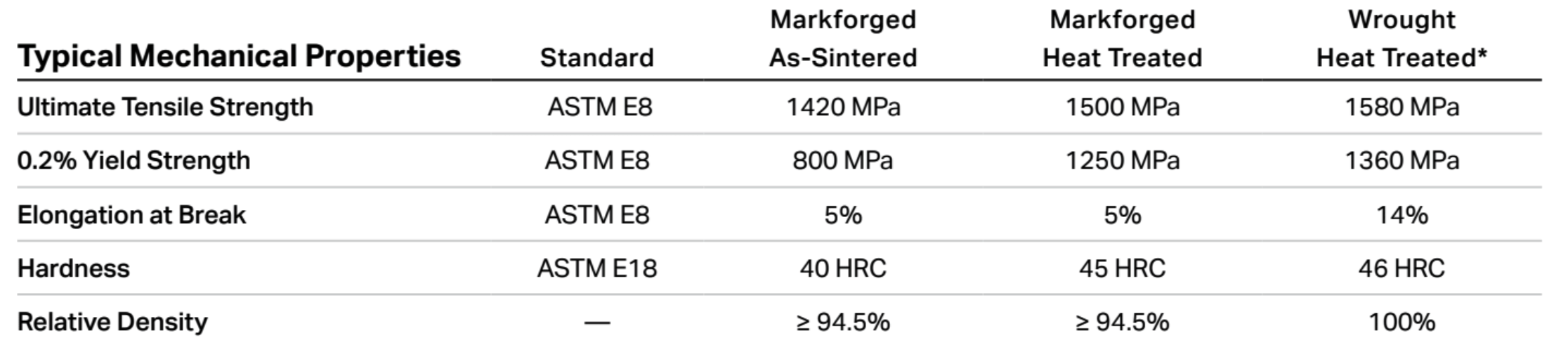
We’re thrilled to unveil H13 Tool Steel, now available for the Metal X 3‑D printer. Since March 2018, over 150 customers worldwide have used 17‑4PH Stainless Steel; H13 expands that capability with unmatched high‑temperature performance. H13 is a hot‑work tool steel engineered to retain strength and hardness at elevated temperatures. This material lets you print parts that endure both high heat and heavy wear. Our data sheet details its mechanical properties, composition, and tensile strength. H13’s abrasion resistance at low and high temperatures makes it ideal for injection molds, extrusion dies, metal‑forming tools, and any application demanding a hard, wear‑resistant surface that can withstand hot plastic or metal. While not the hardest tool steel, it can be heat‑treated to about 50 HRC, offering excellent resistance to heat checking and thermal fatigue. The printing workflow mirrors that of 17‑4PH Stainless Steel: print, wash, and sinter. The critical difference lies in heat treatment. For maximum hardness and durability, we recommend the standard multi‑step tool‑steel heat treatment:
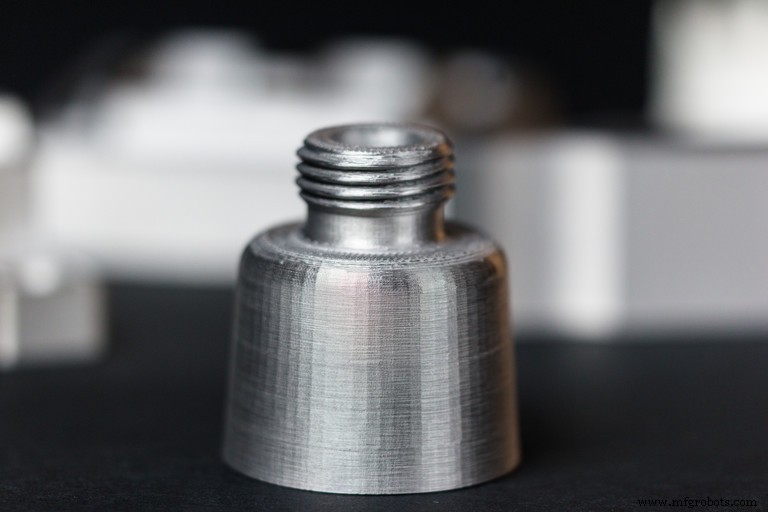
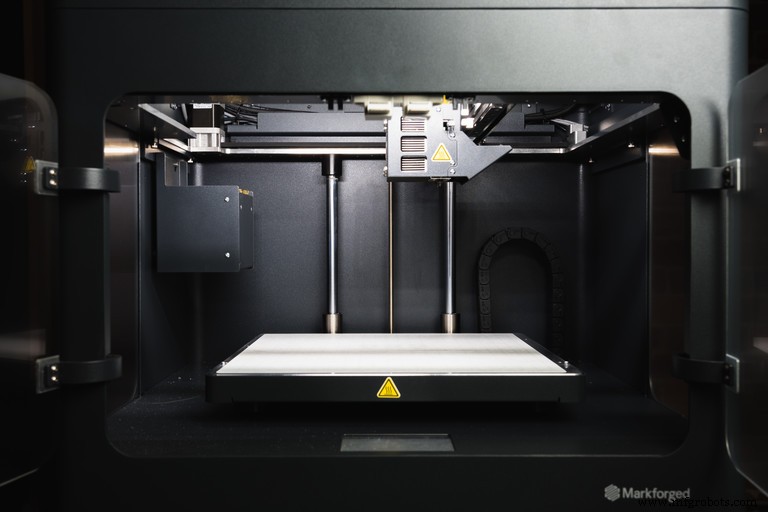
While H13 can be used without heat treatment, we recommend the above process for most applications. To print with H13, simply unload your current metal spool, load a new H13 spool, and select the material in Eiger. H13 uses the same release material as 17‑4PH, so no release spool change is needed. Wrap up your other spool for future use. H13 Tool Steel will ship early next year. We’re also expanding our catalog to include A2 and D2 Tool Steel, 316L Stainless Steel, Inconel 625, Copper, and Ti‑6Al‑4V Titanium.What Is H13 Tool Steel?
Free Metal Sample Part
Applications
How to Print With H13 Tool Steel
Read Our Metal Design Guide
What Does This Mean For My Metal X?
Metal X Quote
What’s Next?
Watch Our H13 Webinar
3D printing
- Scalmalloy: A High‑Strength Aluminium‑Magnesium‑Scandium Alloy for Aerospace‑Grade Metal 3D Printing
- Choosing the Best Sheet Metal Cutting Tool: CNC Shears, Plasma, Waterjet, and Fiber Laser Options
- Metal vs. Plastic Piping: A Practical Guide to Choosing the Right Material
- Selecting the Perfect Abrasive for Metal Fabrication: A Practical Guide
- 6 Expert-Recommended Materials for Sheet Metal Lock Molds
- How Metal Material Differences Affect Cutting Performance
- How to Select the Best Materials for CNC Machining: A Practical Guide
- Mild, Stainless, or Tool Steel: How to Pick the Best Material for Your Project
- Choosing the Ideal Material for Precision Metal Probes in Electronics and Medical Research
- Must-Have Tools for 3D Printer Maintenance