



Why Professional 3D Printers Like Markforged Surpass Hobbyist Machines
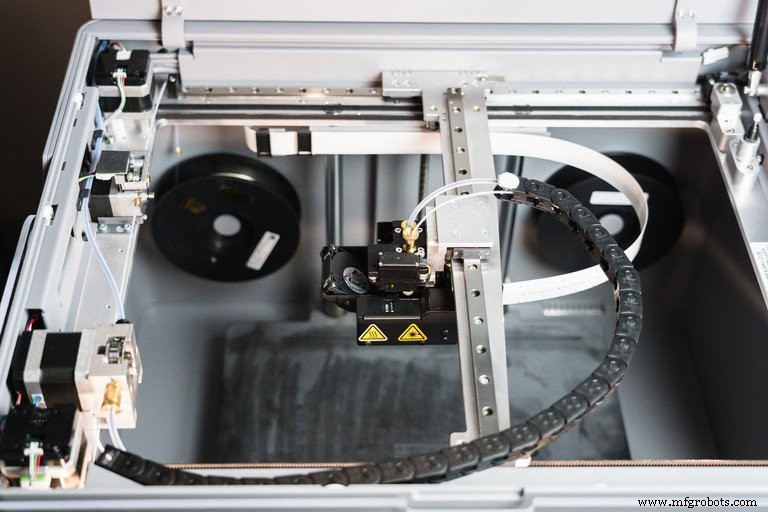
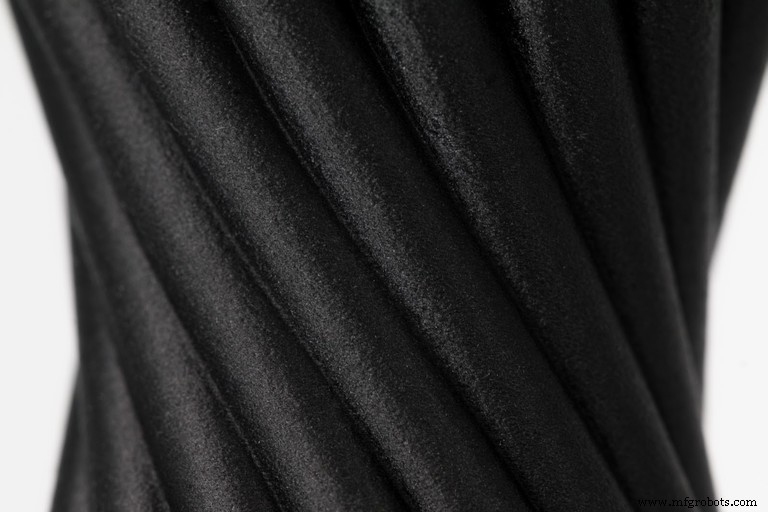
Originating with the MakerBot Cupcake CNC in 2009, hobbyist 3D printers revolutionized rapid prototyping, making CAD‑driven manufacturing accessible to engineers worldwide. The surge in popularity sparked countless experiments, revealing a gap between what the early hobbyist machines could produce and the more demanding industrial use cases. This mismatch clarified the true capabilities and limits of entry‑level 3D printing. In the years since the initial hype subsided, two significant trends emerged. First, hobbyist printers have advanced dramatically—slicing algorithms are more sophisticated, and a wider range of materials is now supported. Second, manufacturers are launching professional‑grade systems at price points that compete with hobbyist models. Though they may look similar, these industrial machines incorporate key upgrades that make them far more suitable for production work. Request a Markforged Demo Hobbyist machines typically use lower‑grade thermoplastics such as PLA and ABS. While PLA offers good printability and moderate strength, it lacks the impact resistance and temperature tolerance required for many industrial parts. ABS improves heat resistance but is still weaker than PLA and offers limited chemical resistance. Modern hobbyist models sometimes add Tough PLA, which offers better impact performance but still fails above room temperature. Professional printers, such as Markforged’s line, use chopped‑fiber reinforced nylon or long‑strand fiber composites. These materials can be 20× stronger than conventional plastics, with superior heat and temperature resilience, making them suitable for functional prototypes and end‑use components. Read our Composites Design Guide To keep costs low, hobbyist printers often cut corners on critical components. Cheap gantry systems can misalign axes, leading to dimensional errors and premature wear. Low‑cost nozzles and print heads are prone to under‑extrusion, jamming, and rapid failure. Unverified filaments can produce inconsistent quality, and inexpensive build plates may warp or detach during printing. Professional printers employ high‑quality, replaceable parts that are engineered for long‑term use, reducing downtime and maintaining consistent performance. Industrial applications demand parts that meet strict tolerances—often within .005” (125 µm) of the design specification. Hobbyist printers typically produce dimensional inaccuracies measured in millimeters and exhibit surface defects or warping due to inferior materials and less stable build environments. Professional systems prioritize precision—using advanced motion control, calibrated axes, and thermally stable materials—to deliver parts that meet or exceed manufacturing standards. Experience the difference—request a free Markforged sample part today.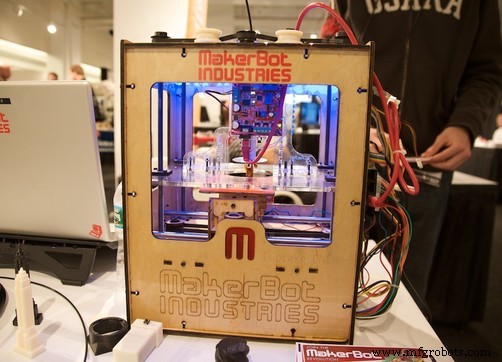
Key Differences Between Hobbyist and Professional 3D Printers
Materials
Reliability
Print Quality & Tolerancing
3D printing
- Why Preventive Maintenance Doesn’t Always Stop Equipment Failures (And How to Fix It)
- Reevaluating OEE: Are Speed, Quality, and Uptime Truly Equally Weighted?
- Why Work Orders Deserve More Attention: Unlocking Business Value
- Hobbyist vs Professional 3D Printers: Choosing the Right Machine for Your Needs
- Why Brass Is the Gold Standard for Musical Instruments
- CNC Machines: The Cornerstone of Modern Manufacturing
- Why AC Units Are Rated in Tons Instead of kW or kVA – A Clear Guide
- Why 3D Printers Are Slow—and How to Speed Them Up
- Why Won’t My 3D Pen Work? Quick Troubleshooting Tips
- Choosing the Right CNC Spindle Rebuilder: Quality Matters