



Understanding B2B MQLs vs SQLs: Key Differences & How to Use Them
Studies show that 68% of B2B marketers struggle with generating quality leads. And only a mere 10%-15% of B2B leads actually turn into paying customers. So what can be done to boost these numbers?
First, industrial marketers must understand that not all leads are created equal — and the industrial buyer's journey is actually pretty complicated.
The B2B Buyer's Journey Is Complex
Take a look at the industrial buyer’s journey below. This is a simplified version of the complex B2B buyer behavior that buyers go through when sourcing new products and suppliers, and it is important to keep in mind when it comes to managing your leads. That's because people in the early stages of the journey have very different goals, and very different expectations, than those further along in the process — but each step is an opportunity for you to meet their needs.
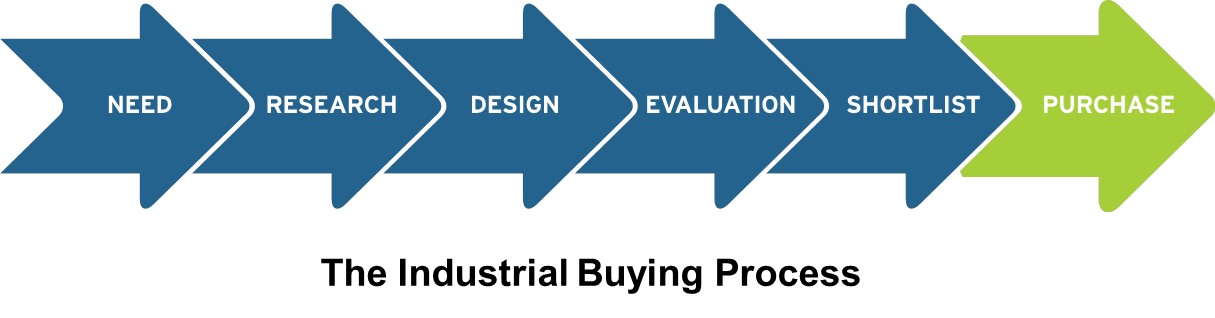
Think about when you go grocery shopping. When you first step foot in the store, you wouldn't want a cashier to run up to and ask if you are ready to check out — that just wouldn't make sense! In the same sense, it would pretty annoying for an employee to let you know about a particular sale or promotion after you've already taken all your items out of the cart and loaded them onto the conveyor belt. Context and timing are crucial.
The same concept holds true with your B2B buyers. You need to align how you treat each contact with their specific needs and expectations. The industrial buyer's journey is the basis of the B2B marketing funnel, and there are five different stages of the funnel that you should be familiar with:
- Subscribers: These are the least engaged individuals. At this stage, it’s likely someone in the prospective company is simply looking for regular content updates about a particular topic and has signed up to receive newsletters and other materials.
- Leads: Now the trail gets warmer. Leads get on your email list with a specific intention. That intention may be to submit a form and read an eBook or a checklist. Leads indicate strong need awareness. Research is likely underway to find a solution for their specific problem.
- Marketing-Qualified Leads (MQLs): These are leads who fit your ideal customer profile and look like a promising potential customer on paper. MQLs correspond to the Evaluation Stage of the buyer’s journey. They are solution-aware and on their way to becoming product-aware.
- Sales-Qualified Leads (SQLs): SQLs are music to your sales teams' ears. In a B2B setting, SQLs are the people with authority. They are less likely to disappear midway through a sales negotiation — if you provide them with valuable content that makes you stand out against competitors.
- Opportunities: Once SQLs are ready for serious negotiations, they are termed Opportunities. Opportunities land squarely in the Purchase Stage and establish regular contact with your sales personnel.
A lot goes into being a buyer. Along the way, they encounter challenges and goals — each one an opportunity for you to make their lives easier. Understanding where each of these buyers is in their buying journey will help you provide the right type of content at each stage, keeping you top-of-mind and more likely to win their business.
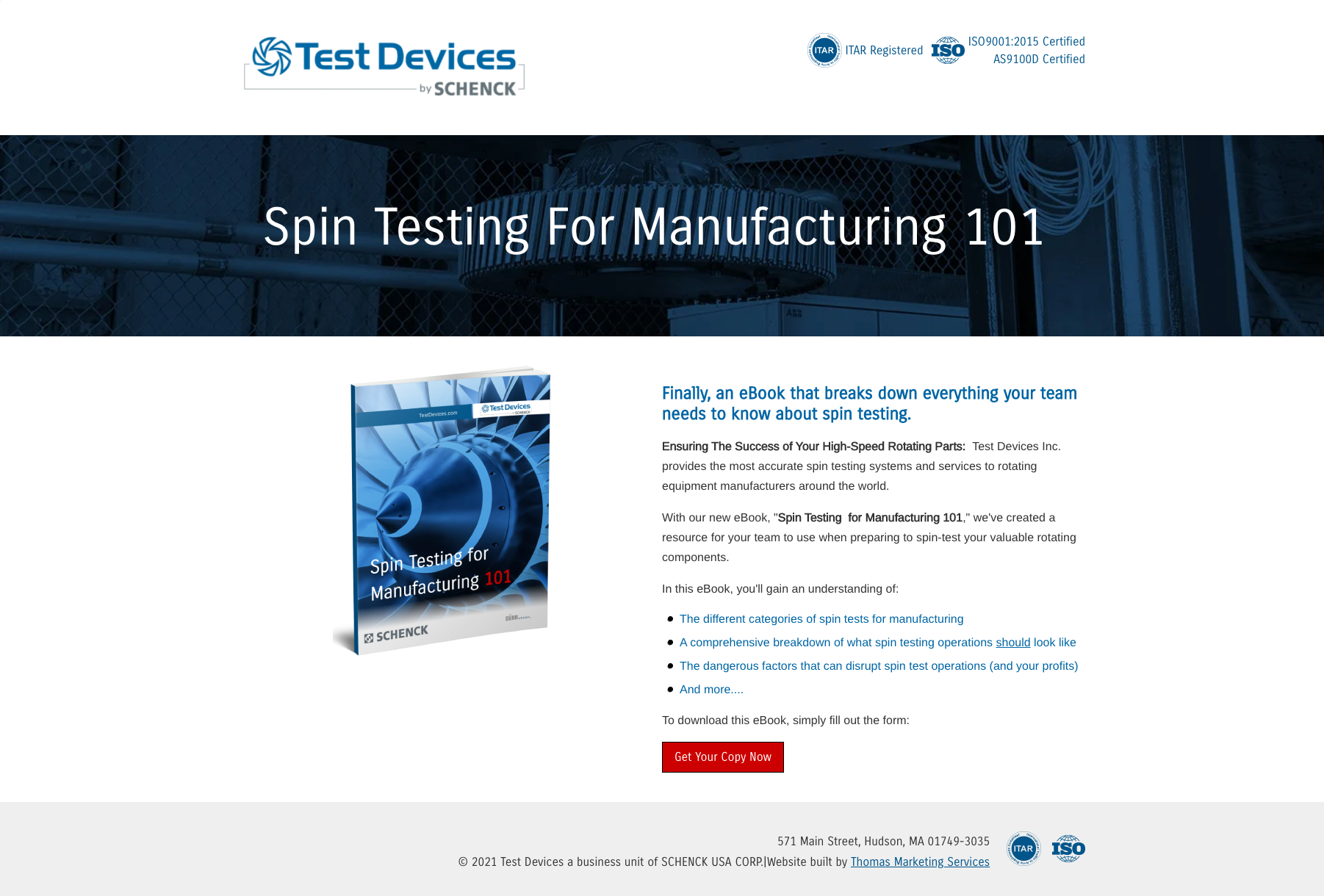
In the example below, Test Devices Inc. created an educational eBook for prospects about a complex subject they are experts in. This landing page acts as a lead-generator for website visitors and an offer to nurture buyers about the solutions Test Devices provides.
Learn More: 10 Content Marketing Ideas That Engage Leads
MQLs Vs. SQLs
Here’s an overview of how MQLs and SQLs differ.
MQLs are people with some authority in the business you're looking to partner with — at first glance, they look promising to close as a sale. MQLs become SQLs when all important stakeholders are involved with your conversations. People who actually sign off on the deals are present. They are invested in your proposed products and services and may also be active buyers who have worked with you before.
When buyers are downloading an eBook or signing up for a webinar, they are typically in the Research Stage of the buying journey. They are still an MQL because they are still determining which products to consider. Send them content that is educational yet easy to consume. For example, if you offer CNC machining services, now is the time to talk about why CNC is the ideal approach versus another one.
These MQLs transition to SQLs when they request a custom quote or a demo. They are typically at the Evaluation Stage where they have created a shortlist of potential partners based on their prioritized criteria (like certifications, industries served, and how sustainable you are.)
Learn the 26 aspects buyers critique you on in the guide, How To Make The Industrial Buyer's Shortlist.
SQLs in the later stages of the buying journey are ready to talk to your sales team and determine an ideal product and budget fit. This presents an opportunity for you to transition your content marketing from educational to providing value about why the buyer should choose you over competitors. How are you different and how can you solve their problems now and in the long-term? For example, if you offer CNC machining services, now is the time to go over the specs of your machines and your customer service stats.
Related: How To Increase Sales For A CNC Machine Shop
Timing Is Everything To Nurture MQLs to SQLs
A small, growing business with a limited number of leads can distinguish between MQLs and SQLs by keeping track of their actions in a spreadsheet. But this approach is inefficient the faster you grow and the more you tap into new industries. Invest in technology and digital tools (like these!) to keep your internal systems organized and the leads flowing — and nurtured. A marketing automation tool, like HubSpot, lets you keep tabs on these actions for all of the contacts in your database. When a prospect amasses a certain amount of points, they move from subscriber to lead, then from lead to MQL, from MQL to SQL, and finally from SQL to opportunity.
If you pull the trigger too early and have your reps contact prospects who are merely browsing for information, you run the risk of putting them off. However, if you let hot SQLs idle for too long, they might choose to go with your competitors.
This is where lead scoring and marketing automation comes into play. Through lead scoring, you can assign "points" to different actions (e.g., visiting a page, downloading an eBook, or requesting a demonstration). HubSpot lets you keep tabs on these actions for all of the contacts in your database. When a prospect amasses a certain amount of points, they move from subscriber to lead, then from lead to MQL, from MQL to SQL, and finally from SQL to opportunity.
As they cross these different points thresholds, the marketing automation platform will trigger nurturing emails for MQLS, or notify account executives to initiate conversations with SQLs. Hubspot also lets you know which assets, pages, and offers are performing best and to which prospects — so you can tailor your campaigns accordingly, rather than just playing a guessing game.
Related Resource: How To Convert Website Traffic To Leads
There are many email marketing types to use to nurture your leads. Just make sure you're not being too promotional and your content matches the needs of your buyers and where they are in their buying journey.
Dive Deeper: 9 Email Marketing Types You Should Be Sending (And Why)
Get The Most Out Of Your Marketing Efforts
Understanding the difference between MQLs and SQLs can help you track ROI, align your marketing and sales teams, and ensure that your prospects are receiving communications and messages that are right for them. It will boost your productivity, reach more leads, and, ultimately, additional revenue. But if you're just beginning your first marketing campaign, it can be overwhelming. Follow these guidelines to make sure your efforts are maximized:
- Set up realistic, achievable, and measurable goals for your marketing efforts. Make sure your teams understand what is expected of them. Be proactive with your planning. Take a long-term view of your marketing strategy, outline goals for the next several months and the milestones you will need to hit to achieve those goals.
- Make sure you have access to the right tools to keep you productive and your reporting accurate. Focus on the tactics that will make an impact on your bottom line — driving qualified buyers to your site, optimizing your landing pages to increase leads, and putting your business in front of the most active network of B2B buyers.
- Imagine how much time it would take for you to keep track of everyone who opens your emails or downloads your ebooks, sort them into different groups based on their interest, their industry, or their job title, and follow up with perfectly targeted communications meant to move the specific stage of the buying journey they happen to be in? To be honest, it doesn't have to take much time at all. Marketing automation makes this — and a lot more — possible and practical, taking a lot of the manual and time-consuming marketing tasks off your shoulders.
-
Keep up to date with market trends. The industrial buying journey can be a long, complicated process, and typically B2B buyers are as far as 70% of the way through this process before they ever pick up the phone or reach out to you directly. This makes it difficult for manufacturers to identify potential customers and engage with them effectively. Thomas can help make it a lot easier with a free In-Market Buyer Report, which shows you the names of organizations actively looking for your services on Thomasnet.com.
-
Seek a partner when you need it. There comes a point where improving your marketing productivity will require you to sacrifice your productivity in other areas — like on the shop floor or providing excellent customer service. If that happens, you might want to consider teaming up with an industrial marketing agency.
To learn more about transforming your sales and marketing to more effectively reach and engage buyers, reach out to our team today. We'll help fill your pipeline with more qualified leads — CJ Winter's sales increased by 60% in just one year after partnering with our industrial marketing experts.

Industrial Technology
- Marketing Goals vs. Marketing Strategy: Understanding the Key Differences
- Supply Chain Management vs. Logistics: Understanding Key Differences
- ISO 9000 vs. ISO 9001: Key Differences Explained
- Understanding CAD, CAE, and CAM: Key Differences Explained
- MIG vs. TIG Welding: Choosing the Right Technique for Your Project
- Ferrous vs. Non-Ferrous Metals: Key Differences Explained
- Carbon Steel vs Stainless Steel: Key Differences Every Fabricator Should Know
- Industry 4.0 vs Industry 5.0: What’s Changing and Why It Matters
- Industry 4.0 vs. Industrial IoT: Understanding the Key Differences
- DMLM vs. DMLS: Understanding the Key Differences in Metal 3D Printing