



Laser Cutting Explained: Top 6 Questions Every Manufacturer Should Know
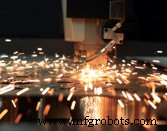 Laser cutting is an extremely useful method of cutting through materials for manufacturing purposes. Not only can laser cutters produce highly precise and accurate cuts, but they are very versatile, as they are able to cut through a wide variety of materials. We’ve compiled a list of the top questions that manufacturers have about laser cutters to help explain how they work and what they can offer manufacturers.
1. How Do They Work?
Laser cutting involves a high-powered highly-focused laser. The machine runs the laser beam through the material, piercing a hole. Once there is a hole in the material, the laser cuts through, leaving a clean cut with a smooth finish. Laser cutters sometimes use a pulse laser beam, where the cut is delivered in the pulses of the laser. Other times, laser cutters use a continuous wave, where the beam is kept focused on the material until the cut is delivered. In both cases, laser cutters use high-powered lasers to pierce through materials and create precise cuts.
2. Which Materials Can be Cut With a Laser?
Laser cutters can cut through a wide variety of materials. These materials include:
- Stainless Steel
- Steel
- Aluminum
- Nickel
- Brass
- Copper
3. Which Industries Can Benefit From Laser Cutters?
The manufacturing industry obviously benefits from laser cutters for production. The precise and accurate cuts allow manufacturers to use laser cutters to create parts for many different industries including:
- Automotive
- Aerospace
- Semiconductor
- Electronics
- Medical
- Original Equipment Manufacturers
4. Are They Better Than Other Cutting Processes?
There are a number of advantages that laser cutters have over other cutting processes. They use significantly less power than other cutting systems. They also produce much more precise and accurate cuts than other cutting mechanisms. Finally, laser cutters are extremely safe to operate. The laser is closed in a tight light box, making the process much safer for the operator than a free running blade.
5. What is the Quality of the Cut?
One of the best benefits of laser cutters is that they produce a highly accurate and precise cut. The cutter involves a focused, narrow beam that works accurately. Additionally, the laser beam smoothes the cut during the cutting process, meaning the cut is not only accurate and precise, but it is high quality.
6. Will Laser Cutters Damage My Materials?
Because lasers use heat to produce cuts, many people worry that the heat-activated zone will lead to damage to the material being cut. However, laser cutters do not damage materials. They are highly precise and focused, making the heat damage very minimal. Additionally, the laser smoothes the cut as it is cutting, meaning that there is no damage done to the surrounding area of the cut.
8 Expert Tips to Reduce Sheet Metal Fabrication Costs
Top 5 Welding Errors That Drive Up Costs—and How to Stop Them
Industrial Technology
- 5 Key Insights into Laser Cutting Technology
- Mastering Laser Cutting: Precision, Power, and Practical Guidance
- Debunking 5 Common Laser Cutting Myths: What You Really Need to Know
- 6 Key Benefits of Laser Cutting for Metal Fabrication
- Top 10 FAQs on Printed Circuit Board Assembly – Expert Insights
- Precision Laser Cutting: Advanced Material Cutting for Industry, Small Businesses, and Hobbyists
- Laser Cutting: Essential Do's & Don'ts for Precision and Safety
- Laser Cutting in Metal Fabrication: Top 3 FAQs Explained
- Waterjet vs. Laser Cutting: Which Technology Suits Your Project Best
- Anodized Aluminum Explained: Benefits, Process, and Answers to 5 Common Questions