



Agilent 8890 GC System – Precise Sulfur Analysis for Diesel & Residual Fuel Oils
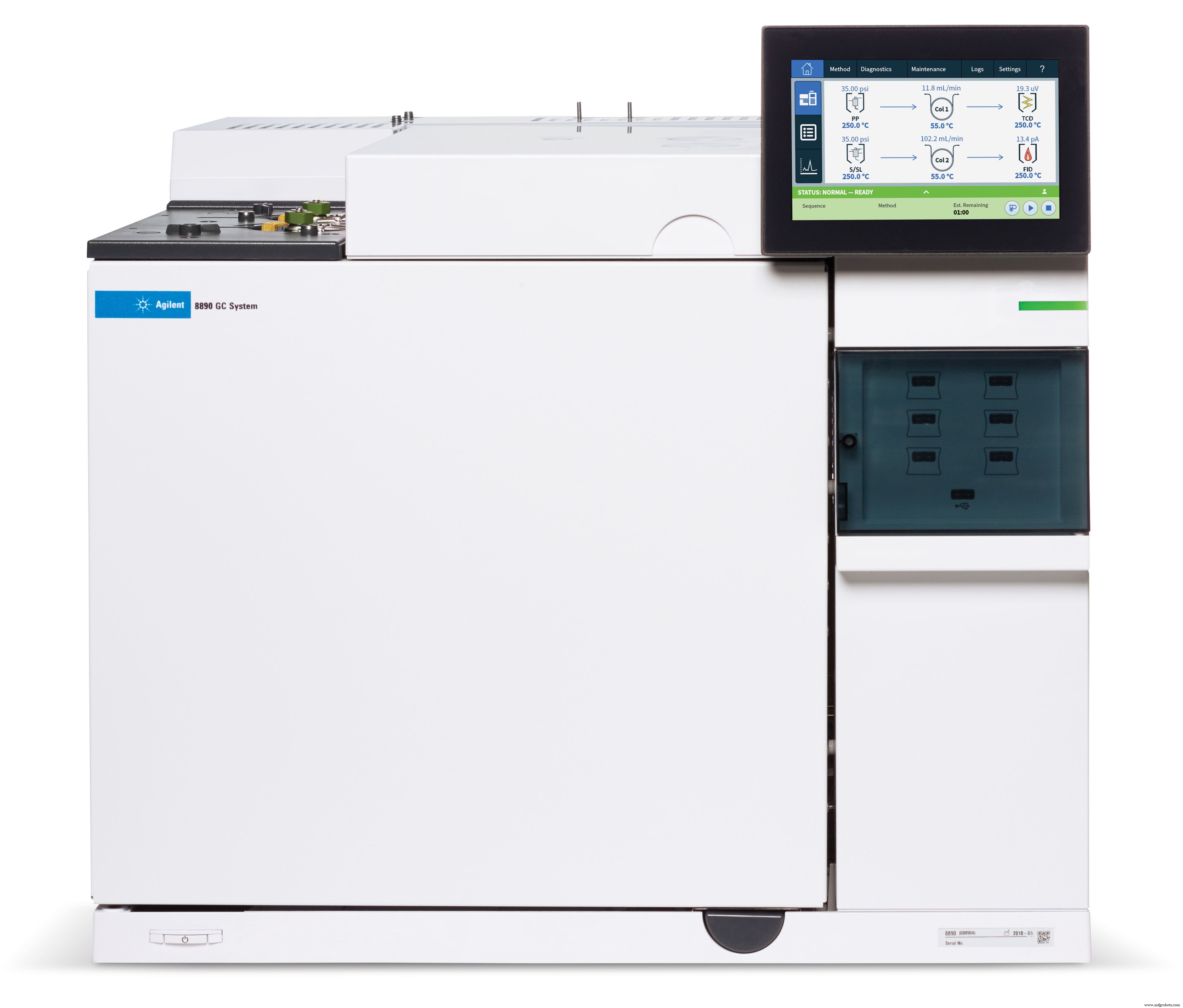 Agilent 8890 GC System
Agilent 8890 Gas Chromatograph is one of the most reliable instruments used in the petrochemical industry to analyse the distribution of sulphur containing compounds and hydrocarbons in fuels such as diesel and residual fuel oil. Samples of the order of few micrometre is injected into the GC instrument where it runs through columns. The sample is analysed and the results are drawn by the time the sample exits the columns.
Request quote
Analysing Fuels for Sulphur Distribution in the Petrochemical Industry
For several decades, worldwide environmental regulations have consistently lowered the allowable sulphur content in hydrocarbon fuels used in road, agriculture, locomotive, and maritime applications. This will likely continue in the future. Producing adequate quantities of these low-sulphur fuels in an economical fashion is an ongoing challenge in the hydrocarbon processing industry.
Understanding the distribution of sulphur?containing compounds in hydrocarbon feedstocks is critical for optimal catalytic cracking performance. It is also important with refined products to ensure consistency, optimal performance, and regulatory compliance. Agilent 8890 GC is used for the analysis of hydrocarbon fuels. The accuracy, speed and reliability of the equipment makes it one of the preferred solutions for finding the exact composition of mixtures in the petrochemical industry where companies are bound to meet environmental regulatory compliance.
Analysing Fuels Using Agilent 8890 GC
Speed and accuracy play a key role in the success of projects at the laboratory wherein samples are analysed. Agilent 8890 GC has been specifically designed keeping in mind both these challenges. The system has several built-in intelligent technologies which help save time and make best use of the device for better performance. Agilent 8890 Gas Chromatography (GC) System coupled with flame photometric detection (FPD) and flame ionization detection (FID) is used to analyze the distribution of hydrocarbons and sulphur-containing compounds in fuel.
What is FPD?
Flame photometric detection is the technique used to determine composition of sulphur or phosphorus in a sample. A small flame which is produced by burning an effluent column using hydrogen is utilized to check the concentration of sulphur in a sample. The sulphur in the column emits certain wavelengths when in an excited state. These wavelengths are sensed and captured by optical filters. The minimum detectable levels for Agilent’s Flame Photometric Detector is of the order of 3.6 pg/s for sulphur and 60 fg/s for phosphorous. The redesigned flame photometric detector (the FPD Plus) from Agilent has a deactivated transfer line and separate thermal zones to ensure transfer of active and high-boiling-point compounds from the column to the flame emission region
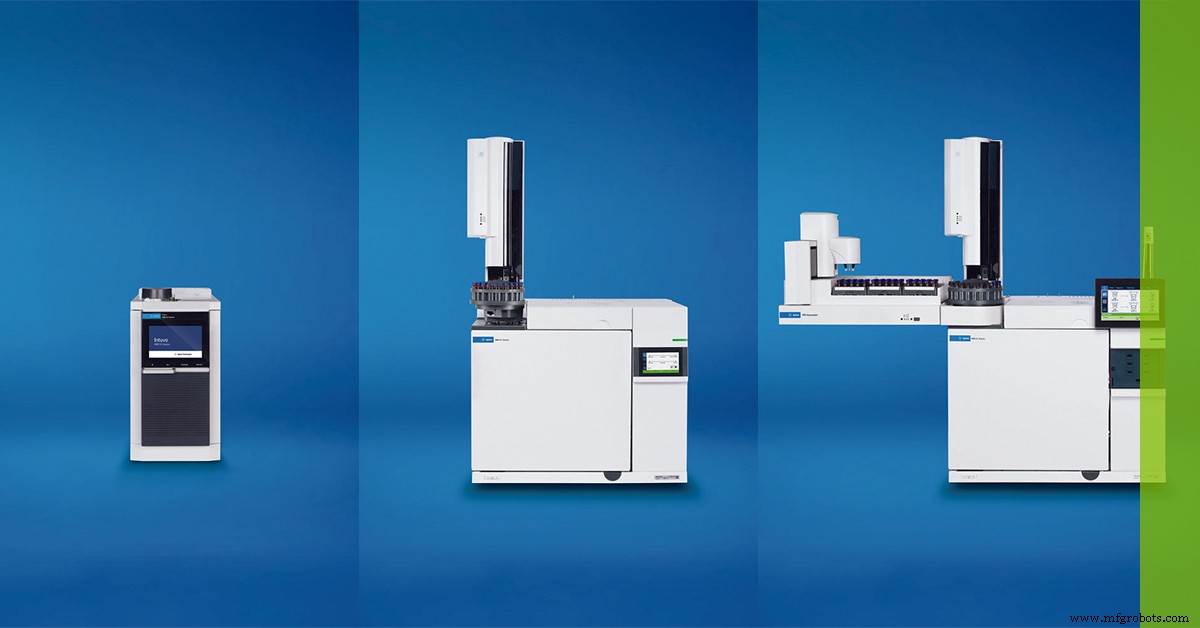
Agilent GC 8890 won the Best New Separations Product Scientist's Choice Award from Select Science, an independent, expert-led scientific review in March, 2020. Request quote
What is FID?
Flame ionization detection works on the principle of ionization of samples using hydrogen air flame. The detector device measures the current produced from the resultant ions. Agilent’s Flame Ionization Detectors are designed for maximum sensitivity. Autoranging FID provides the ability to detect and quantitate from percent levels to parts per billion (ppb) in a single injection.
Agilent’s Multidimensional Gas Chromatography machines (MDGC) use multiple columns connected in series to increase the resolving power and selectivity of the system. The Deans Switch is used along with the Gas Chromatography equipment to cut a region of interest.
Deans Switch
The Deans Switch is used to perform the in-oven heart-cutting or controlling the flow of effluent gas within the columns to achieve desired results.
In Agilent Gas Chromatography equipment, the Deans Switch runs on Electronic Pneumatic Control module or it can be simply called the Pneumatic Switching Device or PSD. It offers great precision. The Deans Switch is compatible with backflush to remove high-boiling-point compounds from the system at the end of a run without excessive bake-out periods.
Top Features of Agilent 8890 Gas Chromatograph
- The built-in intelligence of Agilent 8890 GC enables remote connectivity to the equipment. You can now monitor the system from anywhere.
- For certain issues the troubleshooting can be done from browser or touchscreen interface.
- With the 7-inch touchscreen interface you can perform a number of operations including updating methods, maintenance and checking status of the equipment from time-to-time.
- The equipment also has Early Maintenance Feedback where you can get a notification on status of consumables. This reduces down-time of the equipment.
- Sixth generation micro channel based electronic pneumatic control (EPC) gives you greater reliability, pressure set accuracy and longevity. It allows for autonomous diagnostic tests such a leak check. It has an architecture to protect against gas contaminants such as particulates, water, and oils, improving reliability and longevity of the system.
- The operational cost is low since hydrogen or nitrogen is used as carrier gas and hydrogen sensor is used which further reduces the use of gas
© Worldofchemicals
Industrial Technology
- Revolutionary Thermoelectric Cooling System Enhances Performance of Computers & Batteries
- Building Resilient Oil & Gas Supply Chains: A Strategic Roadmap for Post-Crisis Stability
- Heavy Fuel Oil vs Marine Diesel Oil: Key Differences Explained
- Strategic Guide to Selecting and Investing in a Modern CAD/CAM System
- 4 Proven Asset Management Strategies for Oil & Gas Companies
- Three Proven RCM Strategies to Boost Reliability for Oil & Gas Operations
- Comprehensive Strategies for PCB Grounding and EMI Mitigation
- Ensuring Sampling System Accuracy: Expert Do's and Don'ts
- Oil & Gas Safety Checklist: Secure Your Industrial Fluid Systems
- Expert Guide: Material Selection for Sour Oil & Gas Field Operations