



Navigating the Global Semiconductor Shortage: Impact and Solutions
What is the microchip crisis? When does it arise?
In recent months, there has heard much talk about the microchip crisis and all the problems it is causing in multiple industrial sectors, but what is this crisis and what problems does it cause?
To begin with, microchips are small structures composed of a semiconductor material, usually silicon, necessary in practically all current electronic equipment. Therefore, a shortage of these components can cause problems in various sectors, as is happening today.
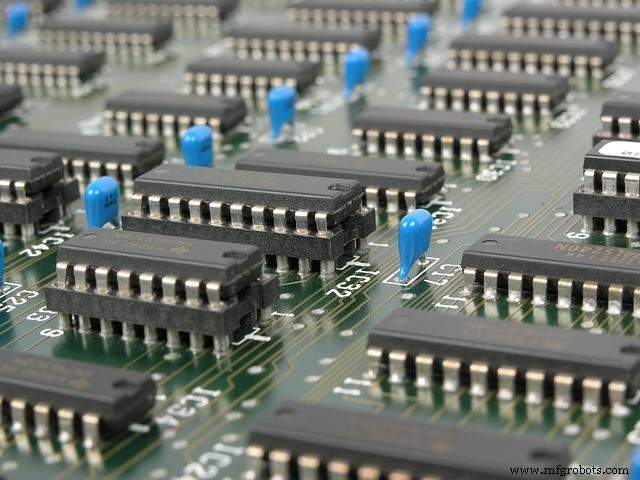
Like so many things in recent times, this crisis began with the emergence of Covid-19 and the resulting pandemic. With the beginning of restrictions and lockdowns, there was an incredible increase in the demand for microchips around the world. This was caused by the great changes that both people and companies had to assume to adapt to the new situation.
On one hand, many companies had to adapt to teleworking, requiring, on many occasions, the use of portable equipment. On the other hand, due to the confinement situation, there was a large increase in the demand for tablets, consoles and other electronic items that could offer a form of entertainment at home.
How does it affect us?
Due to the high demand for semiconductor microchips, there have been 2 main consequences.
First, the shortage of components to supply the global demand, which causes delays in the manufacture and assembly of electronic components, causing, in turn, there is a great lack of stock of the products that most depend on these components, such as consoles, cars or graphics cards.
Second, the lack of microchips has led a rise in the prices of the available microchips, causing the high price of the final products. In addition, it has made it more difficult for many companies to continue with the production rate prior to the pandemic.
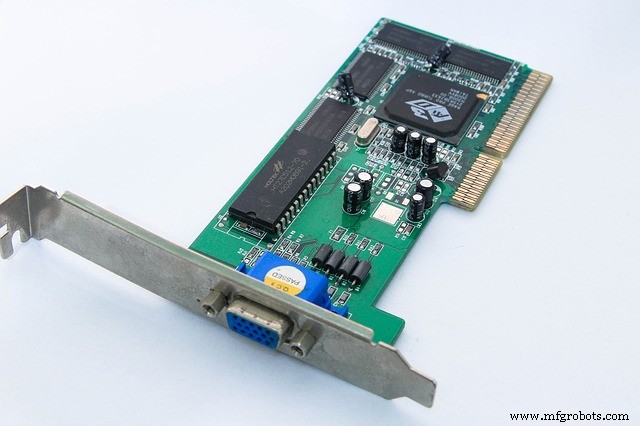
Impact of the microchip shortage
This situation has caused a chain effect that has ended up affecting many sectors that depend on the use of electronic equipment. For example, there is great difficulty in acquiring graphics cards, which affects the Artificial Intelligence research fields and even the video game market, due to the lack of components for the manufacture of consoles.
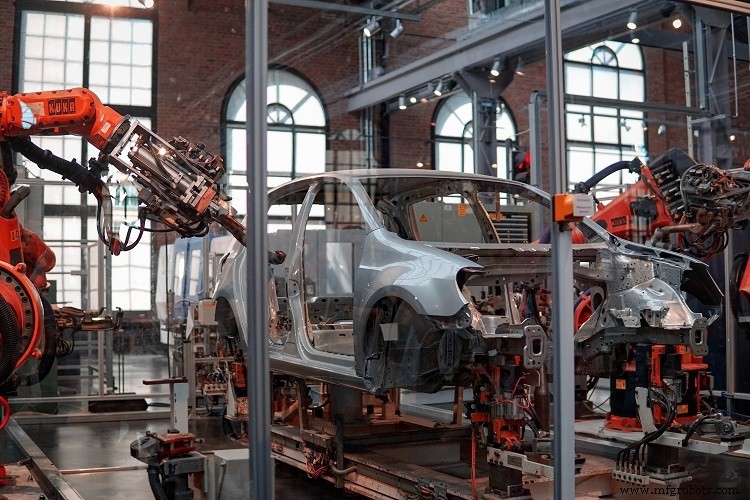
One of the sectors that has been most affected by the lack of microchips, has been the automotive sector. Over the last few years, a large number of various technologies have been introduced in automobiles (navigator, parking sensors …). This has led a greater number of microchips being used in this industry than few decades ago. At the beginning of the pandemic, due to restrictions and factory closures, orders for semiconductors by this sector were reduced. However, due to the increase in demand that occurred in the rest of the sectors, when the automotive factories were put back into operation, there were not enough components to maintain the normal production rate. Causing factories to halt regular production and a host of delays.
This situation has extended to this day and it is foreseeable that it will last throughout 2022, and according to some, for more years.
What is being done to solve it?
Another cause that has contributed to the current crisis has been the small number of commissioned factories dedicated to the production of semiconductors. This was already considered a problem before the start of the pandemic, but in recent years have made it worse quickly.
For this reason, one of the main solutions that is being applied is the creation of new factories, both in Europe and in the United States, which help to increase the production of microchips in order to try to meet demand.
In particular, the EU is preparing funding for the main microchip companies in Europe with the aim of creating new facilities that will help to double current production on the continent.

Industrial Technology
- Safeguarding Your Workforce: Practical COVID-19 Strategies for Employers
- Leading Industrial Robot Suppliers in the UK – Your Guide to Cutting-Edge Automation
- Industrial Robots: The Complete Expert Guide
- Leveraging Robotics for Faster, Safer Aerospace & Defense Production
- Key Parts and Components of Modern Industrial Robots
- Thermography Explained: How Infrared Imaging Detects Temperature Variations
- Revolutionizing Packaging: Advanced Robotics & Automation for Faster, Safer Shipments
- Inside Netflix’s Recommendation Engine: How the Algorithm Curates Your Watchlist
- Carbon‑14 Dating: Unlocking Material Histories in Science & Industry
- Industry 4.0 Adoption: Spain vs Global Landscape