



Digital Twins Explained: Benefits, Use Cases, and Industry Applications
What are digital twins?
Digital twins are digital or virtual representations of a physical object or process. These digital representations are fed with real data acquired by sensors placed in the real process, which are processed with Artificial Intelligence techniques. That is to say, these data are what allow to represent the real process virtually. From here, you can simulate behaviors, predict how an object or process will work, among other things.
In the industrial environment we can find product or process digital twins.
-
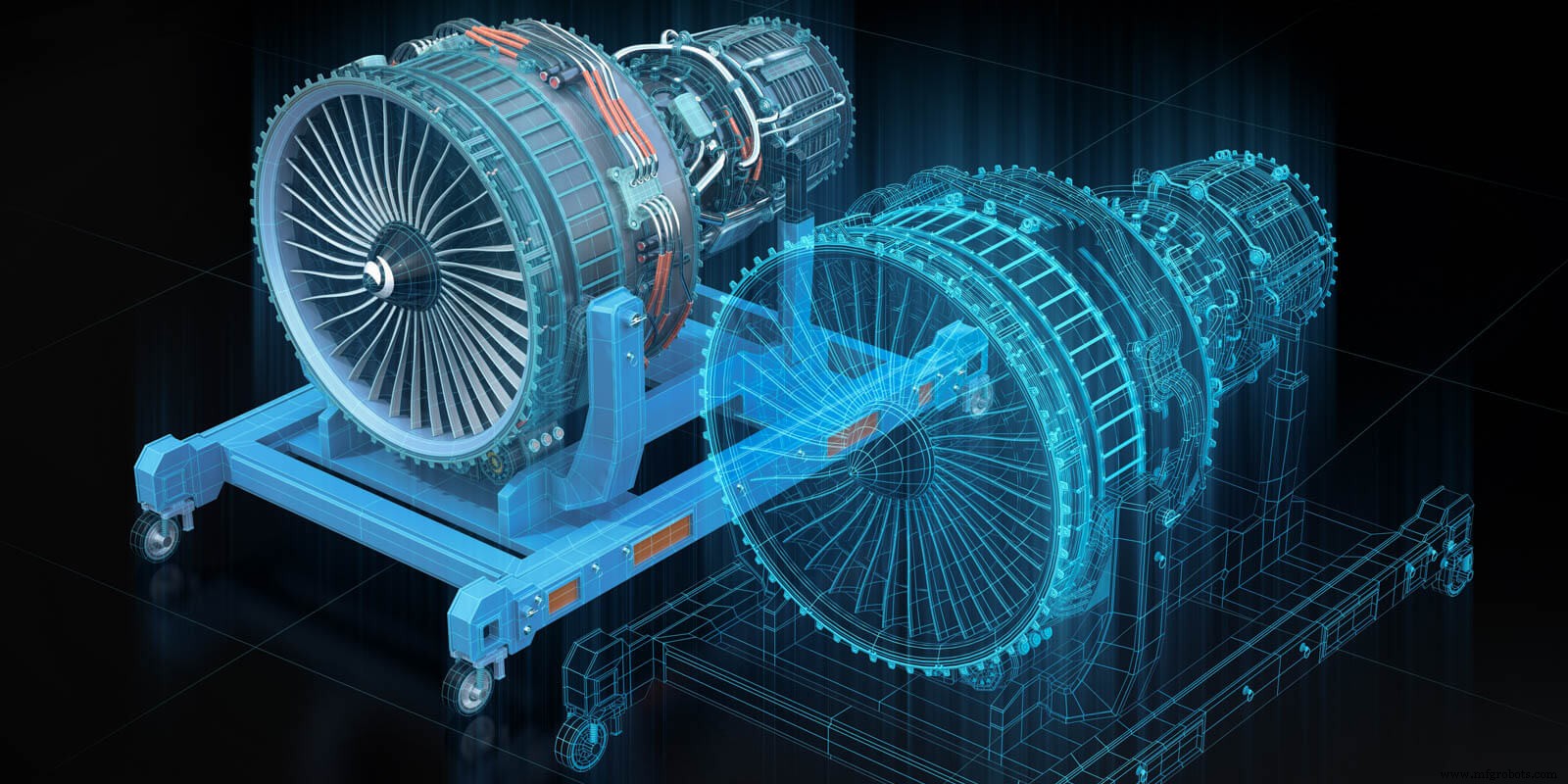
Digital product twins represent virtually all the physical parts of a product: electronics, mechanics, and software.
This virtual representation allows to simulate different situations of the manufacturing process and of use. In this way, it can be validated and tested in every way, before manufacturing.
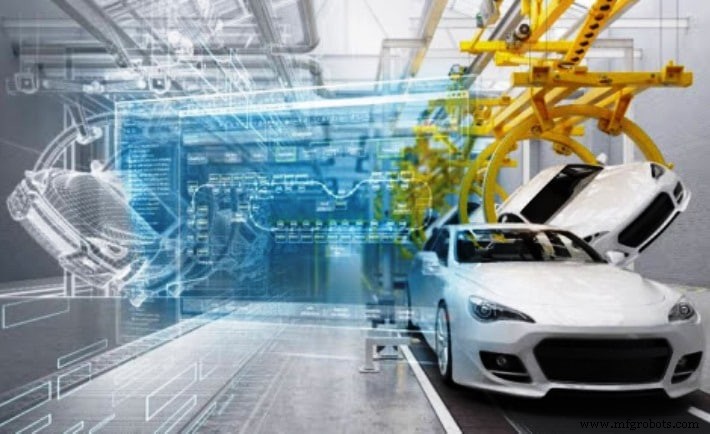
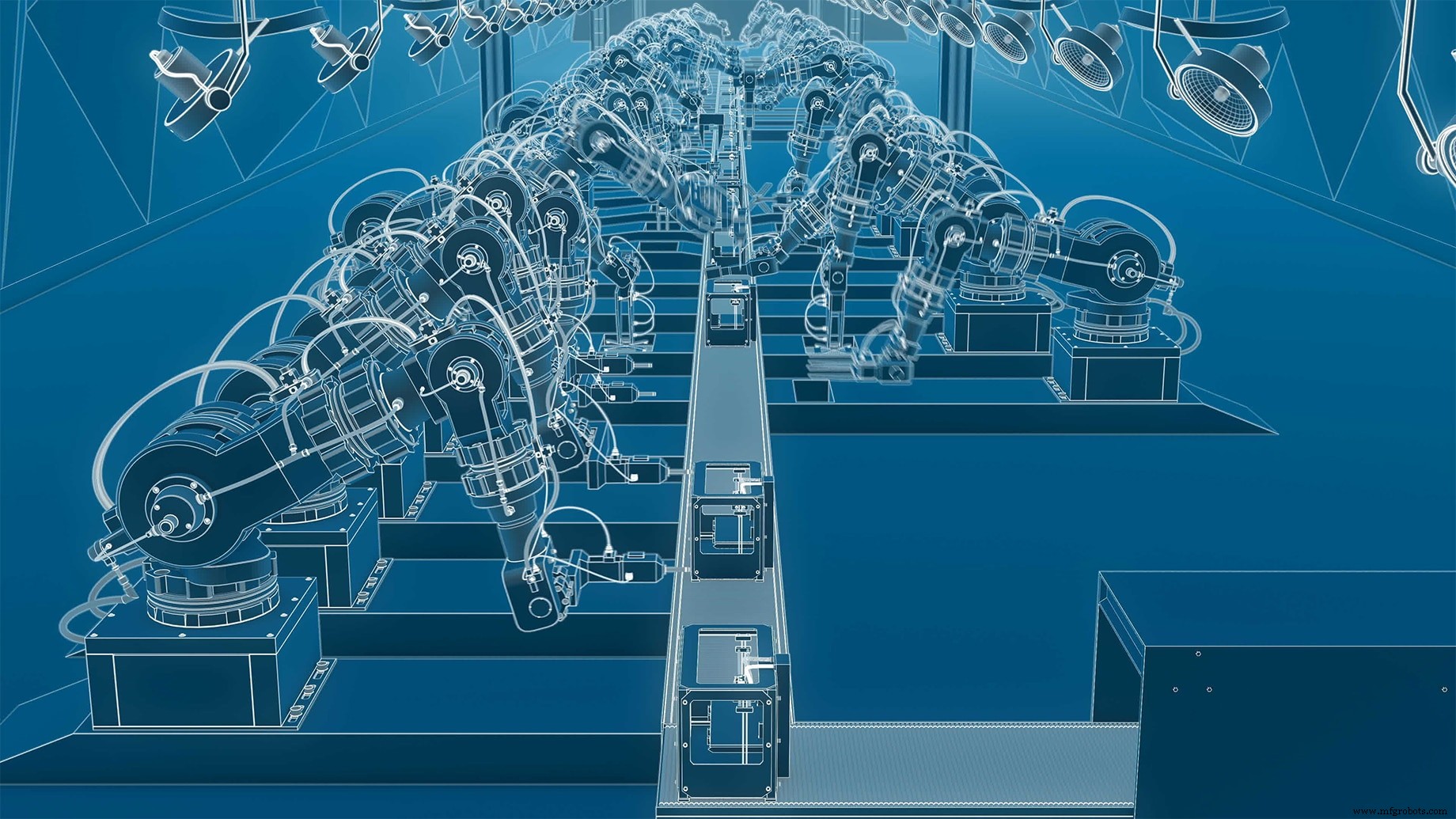
- The digital process twins are a virtual reproduction of the production lines where all the stages of the same are integrated. If the process is real, data can be obtained from it to simulate certain behaviors, if on the contrary it is not in operation because it is in the design phase, data and situations can be simulated before starting up.
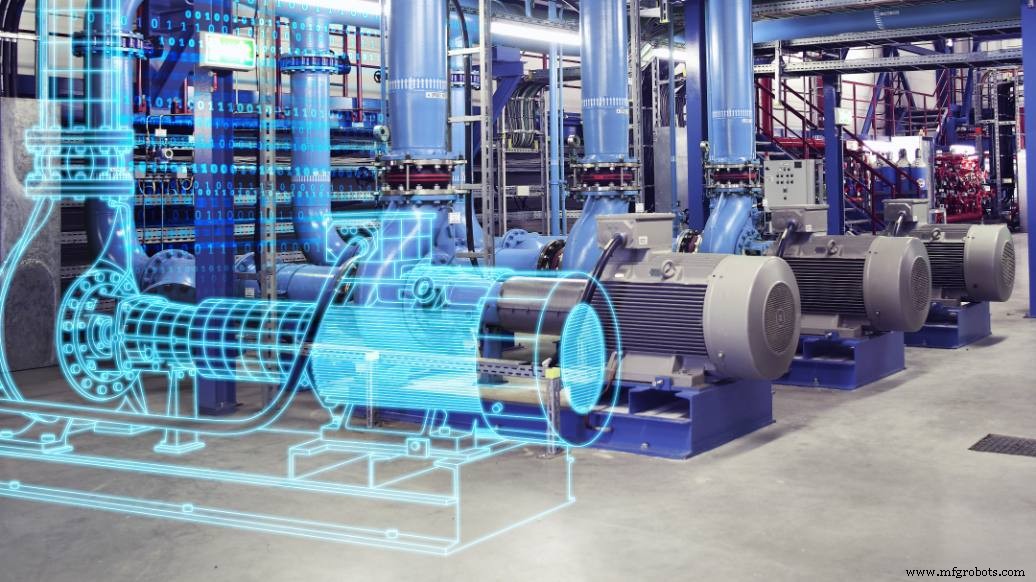
Digital twins can be very complex or very simple, depending on the process or product that you want to represent and depending on the number of data available for it.
How does a digital twin work?
To develop and implant digital twins, it is necessary to collect the information that is generated in the physical environment. This information is collected by sensors and other devices that collect real data on the status of the process or product.
On the other hand, this information must be treated and processed correctly. To deal with all this volume of data, the sensors and devices must be connected in a cloud-based system capable of receiving the data in real time and processing it. Once the data has been processed, it is possible to generate the virtual replica, which is a digital twin.
The digital twin receives the information from the sensors in real time and mimics what happens in reality. Consequently, it allows to represent virtually possible problems that arise during the development or operation of a process or machine and is very useful for the improvement of behaviors and the efficiency of the machines.
Therefore, it is necessary that the whole process is involved in the creation of these digital twins, if information is obtained from all the stages of the process, this virtual replica will be more representative of the real process.
What are the advantages of digital twins?
Digital twins have numerous advantages since they improve the behavior of processes and products, which generally means improving their efficiency.
- Digital twins allow you to anticipate potential problems that may arise in the future. This reduces product defects and shortens manufacturing time among other things.
- Improvement and optimization of production processes through real information.
- Reduce unplanned downtime due to potential errors.
- They reduce accidents since they allow simulating all kinds of situations and casuistry.
- Reduction of maintenance costs by performing preventive maintenance tasks.
- Opportunities for continuous improvement through simulations, identifying failures and inefficiencies.
The digital twin is a great Industry 4.0 tool that allows you to test new technologies virtually to simulate behaviors and reduce risks. In addition, they allow you to monitor activity in real time and optimize the behaviors and states that occur. You can perform the performance evaluation of a process or product in real time with little loss of productivity.
Applications of digital twins in the industry
Digital twins can be applied in all types of industry and for different applications. Here are some examples of the sectors and applications in which digital twins can be used.
-
Manufacturing
Digital twins allow to simulate complete processes with all their stages. This allows, in turn, to optimize the entire process. It can be applied directly to products in both the design and manufacturing process. They allow to predict the operation of a product or production process before its start-up, which allows anticipating possible errors and saving costs.
-
Energy
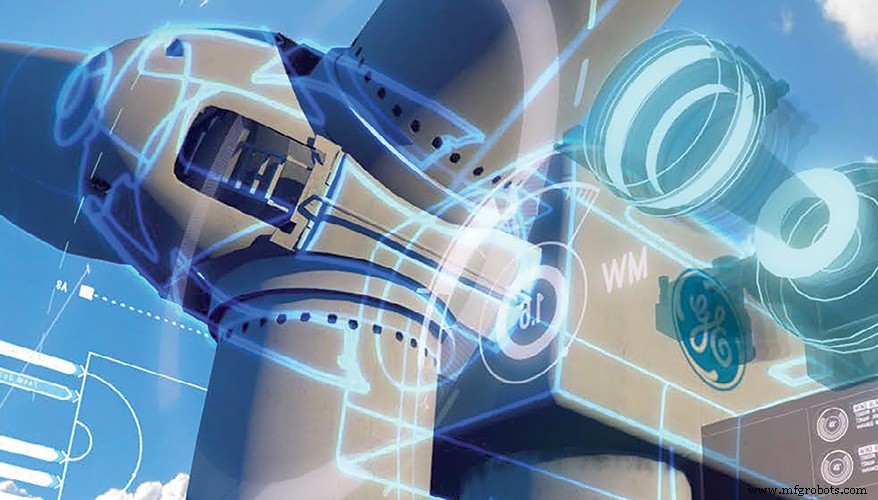
Models based on real data can be developed to predict behaviors that optimize activities for power generation by analyzing large amounts of this data. The digital twins allow modeling the performance of power plants representing their status and operation. They can also help to identify energy demand, reduce the costs of implementing new plants and improve decision-making in the energy storage stages.
-
Automotive
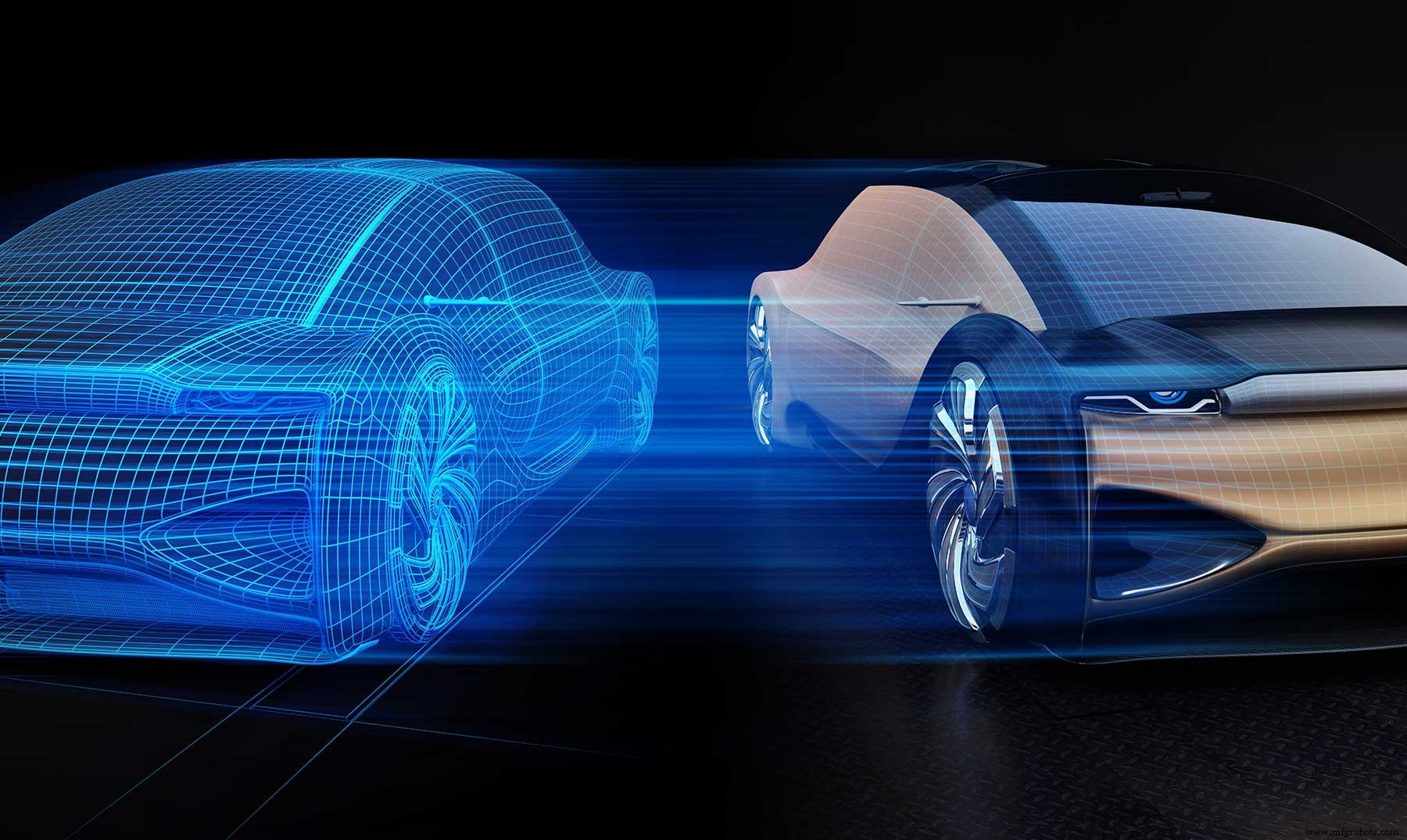
These virtual representations can simulate behaviors and prevent possible failures both in production and in the subsequent operation of the vehicle. A digital twin saves costs and reduces errors in the production stages. It also allows you to identify potential bottlenecks and shorten development time. Lastly, they improve the quality of the final vehicle.
-
Logistics
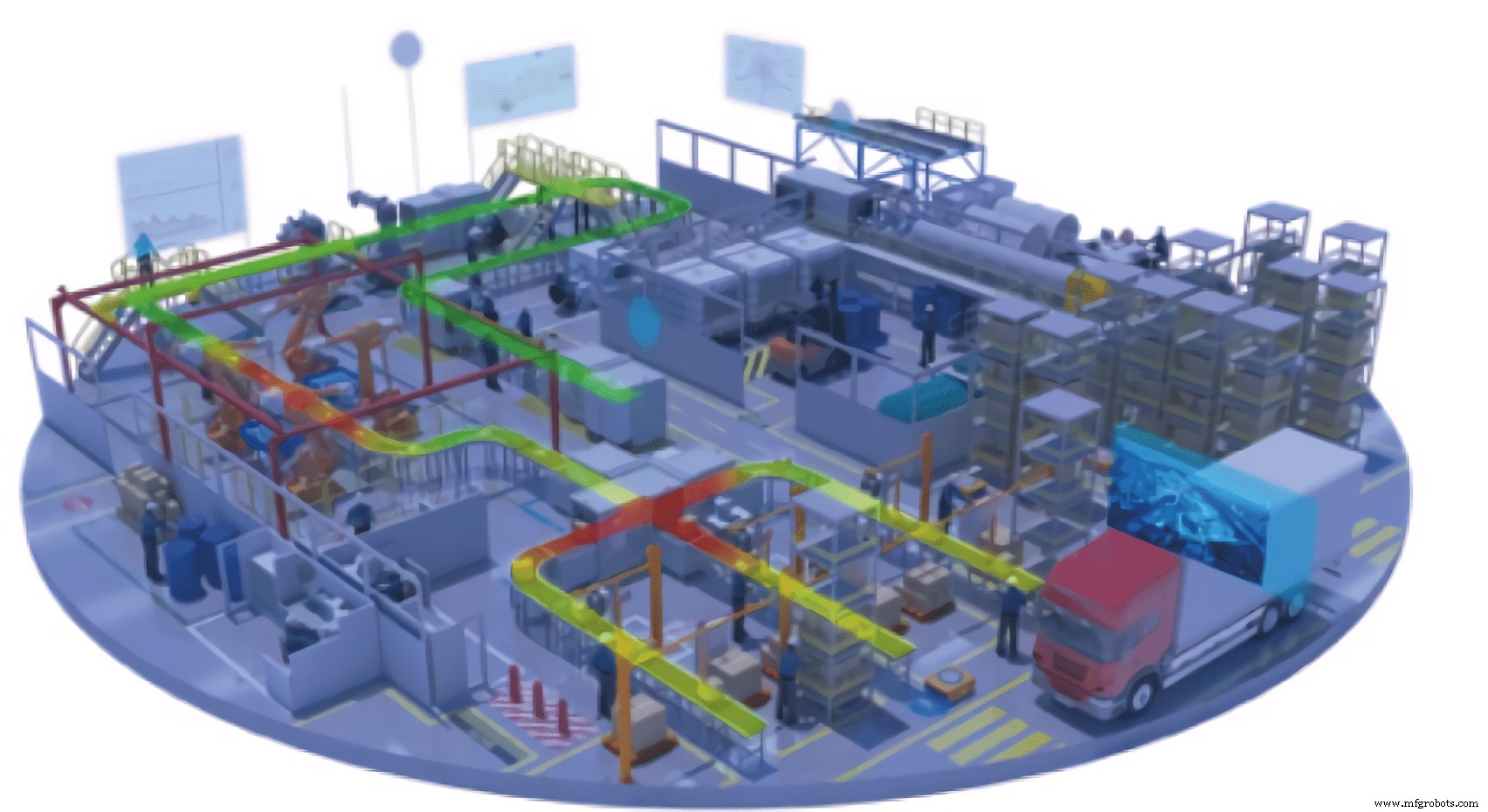
The digital twins are also used to simulate the flows of materials and people, which allows improving and optimizing logistics processes. They allow to capture all the states of the process and simulate different scenarios. These simulations provide information for decision-making and allow making the most appropriate in each case.
To conclude, digital twins allow virtual tests to be run much more cost-effectively than if they had to be performed in the real world. They allow you to test new technologies, reduce failures and optimize all kinds of processes and products.
Do you want to apply Digital Twins in any of your Projects? Contact us!
Industrial Technology
- Makerspaces Explained: How Modern Manufacturers Gain Competitive Edge
- AI & IoT Fuel Digital Twins for Smarter Supply Chains
- Robotic Process Automation Explained: Benefits & How It Transforms Industry
- Automation vs Robotics: Understanding the Key Differences for Business Success
- Unlocking Business Potential: The Key Benefits of Robotics
- Key Parts and Components of Modern Industrial Robots
- Bucket Elevators: Key Benefits & Industrial Applications
- Neural Networks Explained: How They Mimic the Brain to Solve Complex Problems
- Digital Integrated Circuits: Types & Applications
- 1‑2‑3 Blocks Explained: Essential Tools for Precision Machining