



What is a Cobot? A Guide to Collaborative Robots in Manufacturing

Collaborative robots, or cobots, are reshaping modern factories. Their advanced design lets them perform repetitive, hazardous, or tedious tasks while working side‑by‑side with human workers. This synergy boosts safety, productivity, and flexibility across the production line.
What Exactly Are Collaborative Robots?
A cobot is a robot engineered to replicate tasks that would otherwise be done by a person, especially those that are dull, dirty, or dangerous. They feature articulated arms that can move along four to seven axes, allowing for complex motions. At the end of the arm, interchangeable tooling lets the same robot handle gripping, welding, machining, or quality inspection, depending on the job.
The “collaborative” aspect means cobots can operate in close proximity to workers. Unlike legacy automation that requires safety cages and expert programmers, cobots come equipped with sensors, failsafes, and intuitive interfaces. Operators can set up and re‑program tasks in minutes, making them accessible even to non‑technical staff.
Key Applications of Cobots
- Maintenance Support: Cobots aid in diagnosing, repairing, and monitoring equipment in hard‑to‑reach areas, and can trigger alerts or even perform corrective actions autonomously.
- Production Tasks: From holding parts during welding to precise machining and pick‑and‑place operations, cobots handle a wide range of manufacturing steps.
- Material Handling: They transport raw stock and finished goods, stage products for quality control, and manage packaging workflows.
- Quality Assurance: Cobots can conduct inspections, record data, and adjust processes on the fly, ensuring consistent product quality.
Benefits of Integrating Cobots into Your Facility
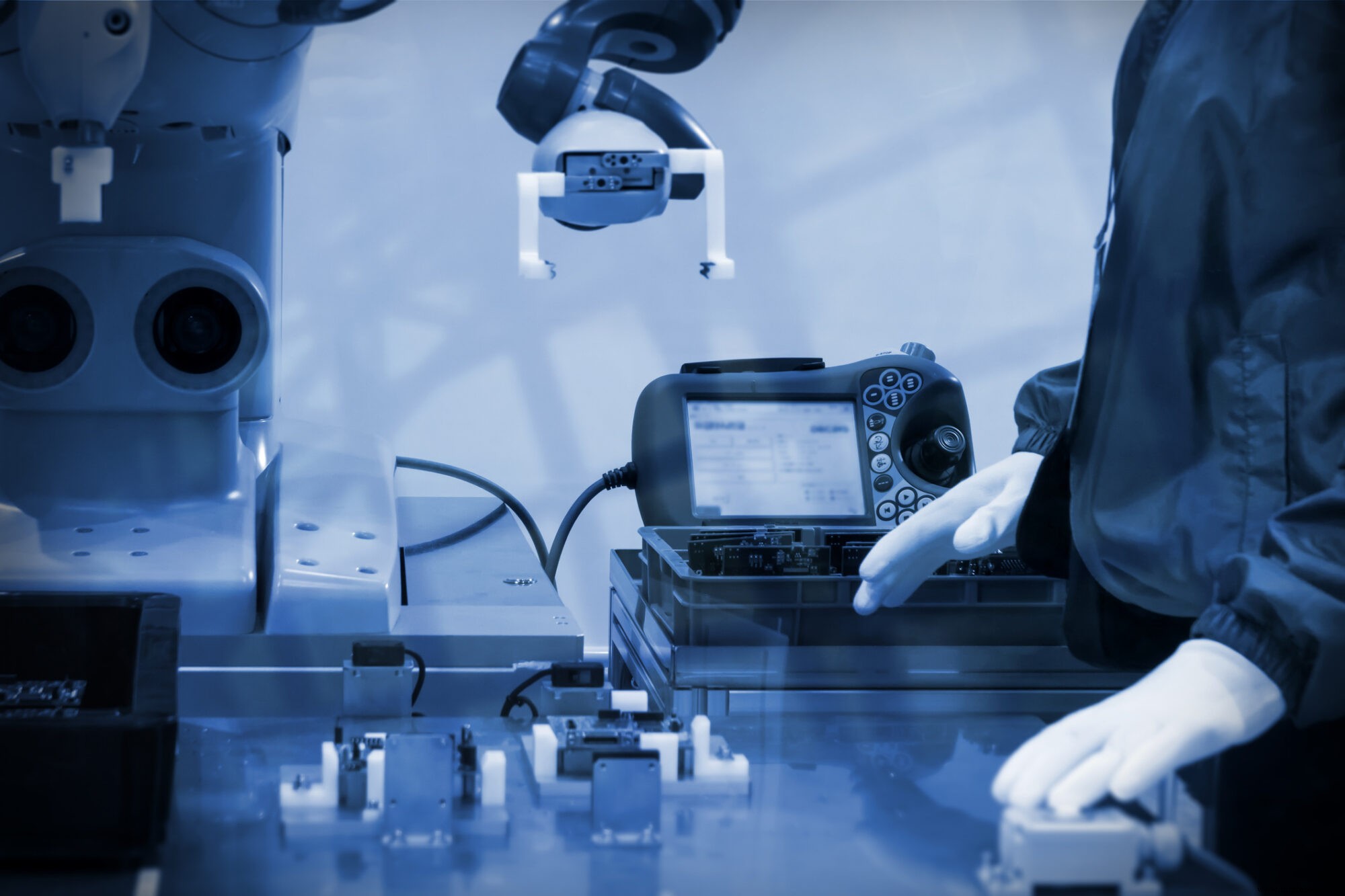
- Enhanced Human‑Robot Collaboration: Cobots work alongside employees, increasing speed, precision, and overall output while freeing workers for higher‑value tasks.
- Affordability for All Sizes: Modern cobots are cost‑effective, making advanced automation reachable for small and midsize manufacturers.
- Rapid ROI: With plug‑and‑play setup and minimal programming, cobots deliver measurable savings almost immediately.
- Unmatched Flexibility: Their multi‑axis motion and interchangeable tooling allow rapid reconfiguration across multiple production lines.
- Improved Workplace Safety: By handling dangerous or repetitive motions, cobots reduce injury risk, boost morale, and increase uptime.
- Scalable Potential: Cobots can be deployed in maintenance, assembly, fulfillment, and beyond, expanding your operational capabilities.
Understanding how cobots function and where they can add value is the first step toward a more efficient, safer, and cost‑effective manufacturing operation. As the technology continues to evolve, embracing cobots can keep your facility competitive while delivering superior products to your customers.
For industrial maintenance support, contact us today.
Industrial Technology
- Infographic: Unlocking Business Potential with Collaborative Robots
- Cobot Basics – 5 Essential Steps to Identify the Ideal Application for Your Next Collaborative Robot
- Understanding Cobots: Collaborative Robots in Modern Industry
- Understanding Metal Casting: Process, Benefits, and Applications
- How Cobots Revolutionize Manufacturing: Integration & Benefits
- Is Your Manufacturing Team Ready for Collaborative Robots?
- Collaborative Robots (Cobots) Explained: Boosting CNC Machining & Manufacturing Efficiency
- How Cobots Boost Productivity, Safety, and Cost Savings in CNC Machine Shops
- Collaborative Robots vs. Industrial Robots: Key Differences Explained
- Understanding Cobots: Collaborative Robots That Safely Enhance Human Workforces