



Why Additive Manufacturing Transforms MRO Operations
Additive manufacturing—commonly known as 3D printing—has matured to the point where metal parts can now be fabricated on demand. For maintenance, repair, and overhaul (MRO) organizations, this capability offers a strategic advantage: it reduces inventory needs, cuts downtime, and minimizes material waste.
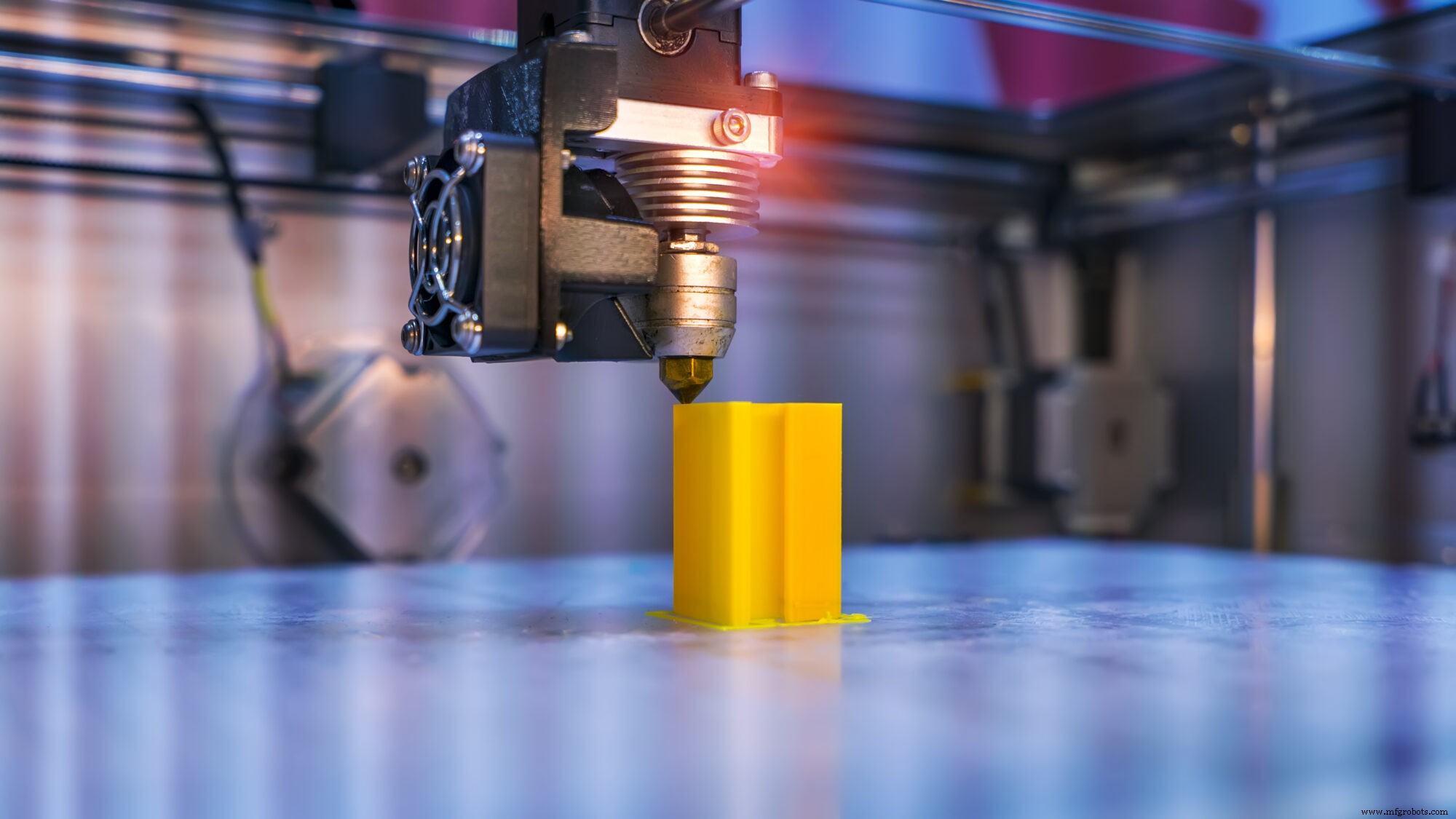
Additive Manufacturing Basics
The term additive refers to building a component layer by layer, in contrast to traditional subtractive machining that removes material. While 3D printing is often used interchangeably with additive manufacturing, not every additive process behaves like a printer. Polymer printing, for example, is a well‑established technology that typically relies on hot‑nozzle extrusion along an XY gantry. Metal additive manufacturing, on the other hand, has only recently become commercially viable through techniques such as powder‑bed fusion and powder‑deposition.
In powder‑bed fusion, a thin sheet of metal powder is spread across a build plate. A laser or electron beam selectively sinters the powder, layer by layer, to create the desired geometry. Powder‑deposition systems feed the powder directly into a focused energy source, fusing it as it is laid down. Each of these methods offers distinct advantages in terms of resolution, material range, and build speed.
Attractions and Benefits of Additive Manufacturing for MRO
- Produce less waste: Subtractive processes can remove up to 90% of the raw material. Additive manufacturing uses only the material needed for the final part, plus minimal support structures. This not only conserves material but also reduces energy consumption by eliminating metal cutting and internal transportation.
- Lower your costs: Earlier 3D printers were slow, expensive, and limited in build size. Today’s machines are faster, larger, and more affordable, making additive manufacturing a cost‑effective alternative to conventional manufacturing.
- Decrease time to repair: When an essential spare part is out of stock, sourcing it can take days or weeks, keeping machinery idle. Printing the part on demand can restore production within hours, even if the part is a functional substitute until the OEM component arrives.
- Reduce inventory: Maintaining a large spares inventory ties up capital and space, and parts can become obsolete. On‑demand printing eliminates the need for slow‑moving items, freeing up storage and improving cash flow.
- Prolong equipment life: Older equipment often lacks OEM support because manufacturers discontinue parts or exit the market. With a CAD model, additive manufacturing can produce a replacement that is finished and installed, extending the useful life of legacy machinery.
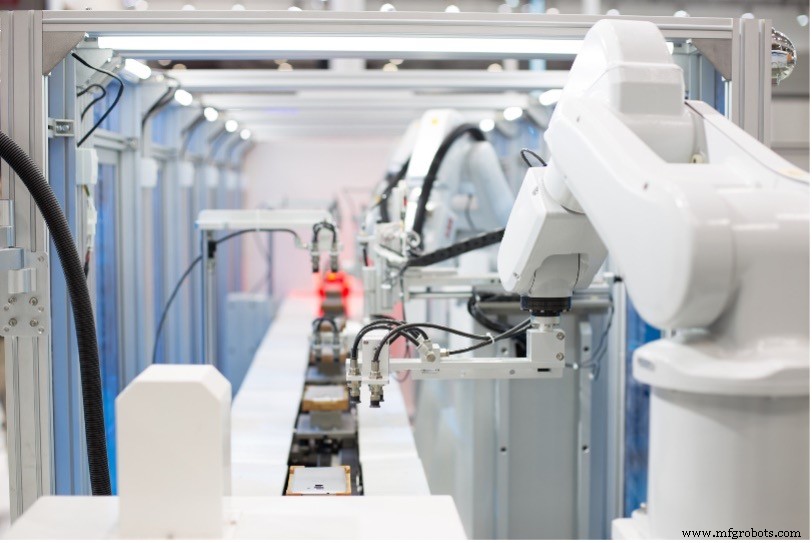 Additive Manufacturing Could Solve Your Production Problems
Beyond production parts, 3D printing is an invaluable support tool for MRO. Grippers, fixtures, and custom tooling—often made from plastic—can be fabricated quickly and affordably, accelerating maintenance workflows. The COVID‑19 pandemic underscored the time‑saving benefits of on‑demand manufacturing, as many facilities turned to additive processes to bridge supply chain gaps.
For maintenance departments pressured to cut costs while boosting equipment availability, additive manufacturing offers a compelling solution. By reducing spare part inventory, shortening repair times, and minimizing material waste, 3D printing enhances overall MRO effectiveness.
ATS provides a full range of maintenance support services, including 3D printing of replacement parts. When OEM parts are unavailable, our rapid printing capabilities can help you keep production running. Contact ATS to learn how we can accelerate your maintenance operations.
Industrial Technology
- Additive vs Subtractive Manufacturing: How They Differ & Why 3D Printing Is Growing
- 5 Key Benefits of Laser Cutting for Modern Manufacturing
- Additive Manufacturing Workflow Survey: Share Your Insights
- Additive Manufacturing Explained: From Design to Finished Part
- Unlocking Innovation: The Key Advantages of 3D Printing in Modern Manufacturing
- Additive Manufacturing vs 3D Printing: Understanding the Difference
- Additive Manufacturing: Driving Innovation and Cost Efficiency in Aerospace
- Additive vs. Subtractive Manufacturing: Unlocking the Future of Production
- Additive vs. Subtractive Manufacturing: Choosing the Best Process for Your Production Needs
- Unlocking Lean Manufacturing: Key Benefits for Business Efficiency