



How Digital Twins Revolutionize Manufacturing: Benefits, Applications, and ROI
In today’s manufacturing landscape, concepts often leap ahead of the technology that can support them. Digital twins—real‑time, one‑to‑one virtual replicas of physical assets—are finally catching up, powered by faster communication, robust infrastructure, and ubiquitous data storage. The result? A transformative tool that lets manufacturers design, test, monitor, and customize products across every stage of the industrial cycle.
A digital twin enables a fully functional virtual counterpart of a component or product, whether it’s in development or already in service. By mirroring every detail—geometry, materials, performance parameters—engineers can interact with the twin just as they would the physical item, eliminating the need for costly prototypes and accelerating time‑to‑market. 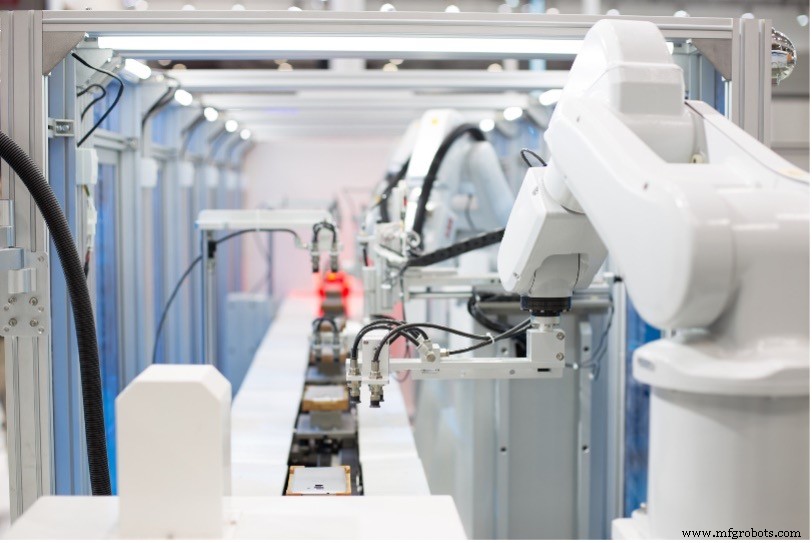
How Digital Twins Operate
The core of a digital twin lies in its ability to replicate the form and function of a physical asset within a virtual environment. As supporting technologies mature, the twin’s scope expands from pre‑manufacturing design to in‑service monitoring. Key enablers include high‑speed networks, affordable cloud storage, and an ecosystem of sensors that feed near‑real‑time data.
During the development phase, the twin can be virtually handled, manipulated, and tested—much like a physical prototype—without ever building the part. This leap beyond traditional 3D modeling grants engineers a tactile, accurate representation that drives smarter design decisions.
For in‑service components, sensor‑rich twins capture continuous operational data. Maintenance teams can simulate calibration, predict wear, and evaluate the impact of operational changes—all without pulling equipment offline. The result is a proactive, data‑driven maintenance strategy that reduces downtime and extends asset life.
Key Benefits for Manufacturers
- Cost Reduction & Faster Prototyping: Digital twins eliminate the need for physical prototypes, slashing development budgets and shortening iteration cycles. Industry reports indicate potential cost savings of up to 30% in prototyping and tooling.
- Predictive, Accurate Maintenance: Real‑time insight into asset health allows maintenance crews to intervene before failures occur, improving uptime and lowering repair costs.
- Accelerated Innovation: The fidelity of a twin gives designers confidence to test radical concepts. Decisions to iterate, scrap, or advance an idea are based on realistic performance data, opening the door to breakthrough designs.
- Seamless Customization & Validation: Tailored solutions can be showcased to clients virtually and verified against real‑world constraints before production, ensuring flawless integration and customer satisfaction.
Digital twins are not just a trend—they are a strategic imperative for manufacturers aiming to stay competitive. At ATS, we harness data‑driven predictive maintenance powered by digital twin technology to boost machine uptime, enhance productivity, and drive profitability. Contact ATS today to learn how digital twins can transform your operations.
Industrial Technology
- How Technology Is Transforming Manufacturing: From 3D Printing to Digital Twins
- Unlocking the Digital Supply Chain: 5 Essential Drivers for Manufacturing Success
- How Digital Twins Drive Intelligent Edge in Manufacturing – Part 1
- Digital Twins in Manufacturing: Benefits, Challenges, and the Road Ahead
- Digital Twins: Revolutionizing Supply Chain Visibility & Resilience
- Digital Twins Are Closing the Manufacturing Talent Gap
- Digital Manufacturing: Transforming Production with Cutting-Edge Technology
- Revolutionizing Automotive Production: The Impact of Digital Twin Technology
- How Automation is Transforming Manufacturing: Boosting Efficiency & Cutting Costs
- Digital Manufacturing: Shaping Tomorrow's Industry