



How Robotics Transform Manufacturing: Key Benefits and Industry Impact
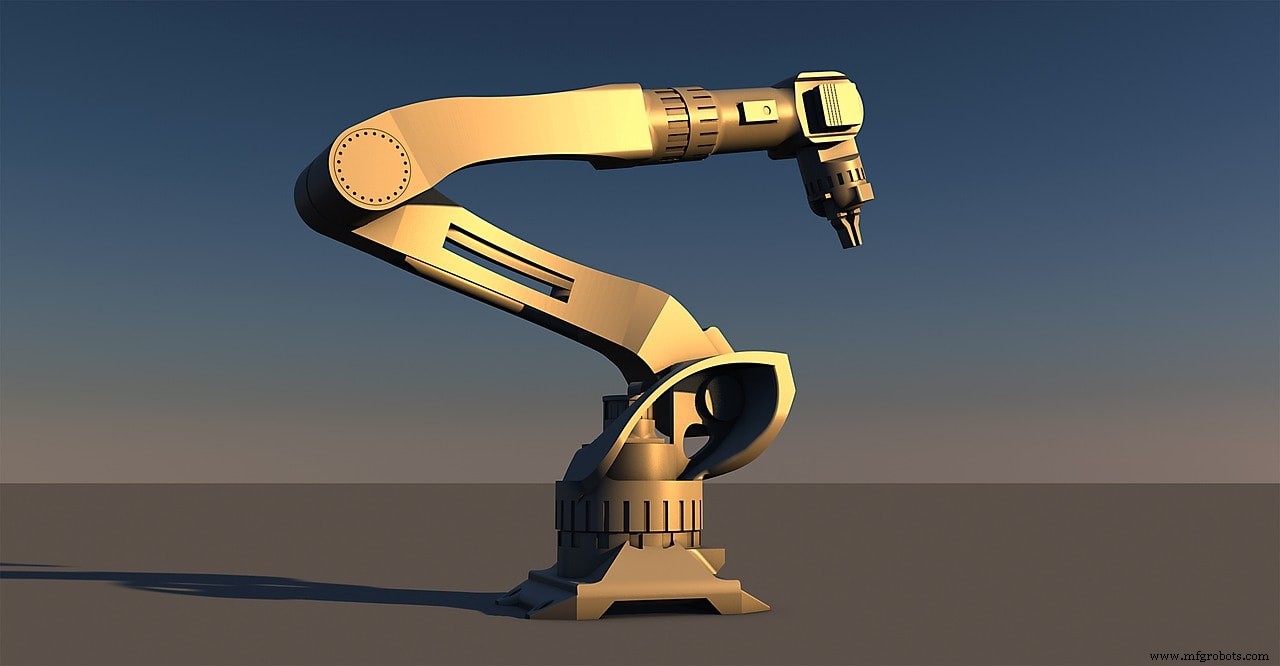
Robotic technology has revolutionized the way we go about manual labor. For decades, the manufacturing industry has been harnessing the powers of robotic welding and fabrication by implementing assembly-line robots to perform specific precision tasks. Now, robotic technology is far more flexible in that it can be safely reprogrammed to switch between an array of complex tasks — which means higher manufacturing capability.
While some manufacturers may be concerned that robots will put human welders, machine operators and fabricators out of a job, many experts say that this is simply not the case. In fact, companies and workers alike are reaping the benefits of manufacturing professionals and robotic technology working collaboratively.
Here are a few ways that robotics add tremendous value to the manufacturing industry:
Robotic Fabrication Increases Productivity
The primary benefit of including robotics in manufacturing is their productivity factor. Due to their ability to perform manufacturing processes with greater precision and speed, robotics decrease manufacturers’ overall production times while increasing output quality. Robots can also work for much longer periods of time than human workers performing the same tasks.
While manufacturing robots are typically used to repeat the same procedure over and over, advancing technology has made reprogramming them for multiple tasks safe and easy. Thus, you can have manufacturing robots switch tasks whenever you need them to.
Manufacturing Using Robots Enables Greater Production Flexibility
With the ability to alternate tasks, modern-day manufacturing robotics are highly valued for their flexibility during the production process. The adaptable nature of these robots allows manufacturing professionals to redistribute production labor as needed and then have the machines return to their normal tasks.
In fact, manufacturers are more concerned about flexibility than ever before due to their customers’ increasing demand for product and component customization, which tends to require a more versatile approach to the manufacturing of goods. Advanced robotic technology can help manufacturing companies meet this need thanks to its flexible capabilities.
Robotic Welding Offers Greater Precision
With the rise of customization comes the need for greater precision — and robotic fabrication and welding have proven to be way ahead of the curve on this front. When robots are tasked with producing hundreds and even thousands of the same parts, manufacturers find little to no variation. Robotics can be programmed to weld or cut virtually any component that a metal manufacturer would mass produce.
How to Embrace Robotics in Manufacturing
While some manufacturers are still relatively unfamiliar with advanced robotics in manufacturing, embracing this technology is crucial for long-term success in this industry. If you have considered purchasing robotics for manufacturing — or if you’re doing so now — pay attention to these expert tips:
- Use vision-guided robots that can successfully interact with and adapt to their surroundings.
- Have a plan to help your workers and applications collaborate with your robotic manufacturing technologies.
- Opt for robotic technology that allows for flexibility and can adapt to new requirements.
Contact Fairlawn Tool, Inc. Today
If you need a contract metal manufacturer that can meet your needs with robotic welding, reach out to us today. Fairlawn Tool, Inc. uses leading robotic welding technology to create the strong, precise welds your projects need to offer longevity and premium performance.
To learn more about our metal contract manufacturing capabilities, give us a call at 410-374-1100 or contact us online today.
Industrial Technology
- Strategic Succession Planning for Manufacturing Excellence
- Revolutionizing Food Production: Two Key Industry 4.0 Technologies
- COVID-19 Reopening Guide for Manufacturers: Safety, Compliance, and Production Tips
- 5 Powerful Benefits of Knowledge Sharing for Industry Growth
- Digital Manufacturing: Shaping Tomorrow's Industry
- Discover Six Key Advantages of ERP Software for Manufacturing Success
- How Industry 4.0 Revolutionizes Manufacturing: Benefits & Opportunities
- Why Manufacturing in the USA Drives Growth: Key Benefits for U.S. Companies
- Essential Safety Protocols for Manufacturing Workers: A Comprehensive Guide
- Hybrid Manufacturing: Key Benefits, Challenges, and Industry Impact