



Managing Construction Debris and Waste: Best Practices for Sustainable Building
In 2021, over 1 million single-unit houses were under construction in the United States, contributing 4.1% to the entire nation's GDP. In addition to these single-unit homes, many multi-family residential properties, office buildings, commercial spaces, and other buildings were also under construction or renovation. Each of these worksites creates construction jobs and new spaces for people to live and work.
Structures don't last forever, and there are countless buildings demolished each year as they become uninhabitable or are hit by natural disasters such as hurricanes and tornadoes. Whether new building construction or tearing down pre-existing buildings, debris is always a part of every site. This waste not only poses a potential threat for workers and passersby, but it also accumulates quickly, accounting for hundreds of millions of pounds of waste going into landfills each year.
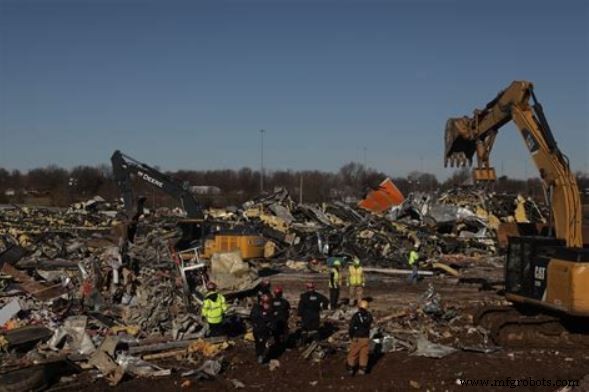
According to the Environmental Protection Agency (EPA), construction across the U.S. generated 600 million tons of waste in 2018. In 1990, there were 130 million tons of waste, which means the total has increased by four times in less than 20 years. Overall, demolition represents over 90% of all construction debris and waste.
This article will cover construction debris: what constitutes construction debris and waste, the most common types of waste generated, safety surrounding waste and debris, and, of course, the personal protective equipment (PPE) workers must wear when handling construction debris. Here's what you need to know about construction debris and waste.
What Is Construction Debris and Waste?
Construction debris and waste are discarded building materials from construction, remodeling, repair, or demolition operations. Many call it C&D (construction and demolition) materials or CDW (construction demolition waste).
C&D refers to the discarded building materials and rubble created during construction, either unused or damaged. When these waste products are created, they must be transferred to a landfill, recycled for new use, incinerated, or reused directly on site. Thankfully, of the 600 million tons of waste generated each year, 455 million tons are redirected to future use. These new use areas may be as aggregate, compost, or fuel.
Common Construction Waste Removal Items
Since construction and demolition debris refers to materials that come from the construction, destruction, renovation, or repair of physical structures like houses, buildings, commercial facilities, and roads, the term "construction waste" can reference a whole host of materials.
The fifteen most common types of construction waste materials are:
- Asphalt
- Bricks
- Ceramic and tile
- Concrete
- Dredging waste (like rocks, shrubs, and stumps)
- Drywall and gypsum
- Ferrous metal
- Glass
- Hazardous waste
- Insulation materials
- Nonferrous metal
- Plastic
- Soil
- Stone and clay
- Wood
In addition to these materials, the EPA identifies that trees, stumps, and plastics are also widespread forms of waste commonly removed from construction sites. Others include asphalt, plumbing materials, roofing materials, and flooring.
An Industry That Removes Waste
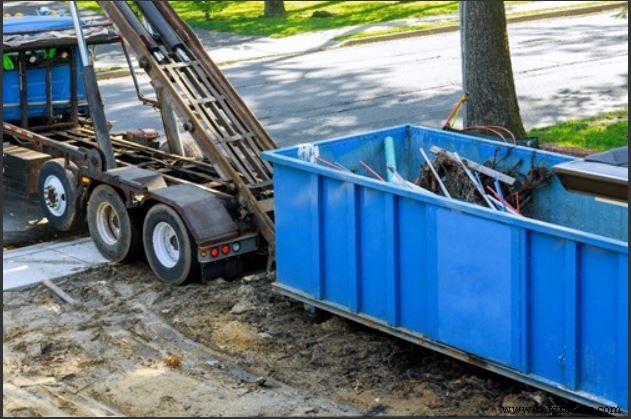
After a construction project, the chances are high that there is quite a bit of clean-up to do, and an essential part of that would be to remove the construction waste and debris leftover. There are often time constraints for this step, and it can be costly, too.
As detailed by the North American Industry Classification System, or NAICS, various organizations collect and haul waste within a local area. NAICS classifies all establishments operating in this subsector. The NAICS classification for "Other Waste Collection" is coded as 562119 and would include removing waste after a construction project. This might involve:
- Collecting, hauling, and disposing of construction waste materials
- Brush collection
- Debris removal services
- General waste collection
- Rubble hauling and removal services
The top companies operating in this industry segment are Republic Services, Junk King, and 1800gotjunk.
There are more specialized industries within NAICS 562, such as garbage collection and hazardous waste collection. These fall under their specific industry code and not the all-encompassing 562119 code.
Worker Injuries
Unfortunately, worksites can become messy and littered with debris and materials, creating a potentially hazardous work environment for all those who work at the site. Construction debris and waste put workers at significant risk. For example, unsecured debris, including plywood, shingles, or other loose items, can fall overhead or get blown about in the wind. Any airborne material has the potential of permanently damaging a worker. Other potential hazards include:
- Not having proper scaffolding to catch falling materials and debris
- Having flammable or volatile debris on-site that can quickly ignite
- Encountering nails or other sharp objects on the ground, on sidewalks, or in roadways
- Handling chemical substances, corrosive materials, chemical-based glues, and caulking materials
- Confronting dust and particulate waste
- Disposing of hazardous waste such as lead paint and asbestos
- Handling infectious materials
These hazards can result in any number of worker injuries. Since hands are the primary tool in handling and clearing away debris, the most common injuries are cuts and lacerations to the hands. Here are some other common debris-related injuries:
- Back injuries due to slipping and falling
- Injured feet due to dropped debris
- Getting struck by construction debris or waste
- Burns from fires or explosions of construction debris
Before any construction debris removal occurs, planning is critical, as you'll need to know what materials you're likely to encounter so you can plan for how to dispose of them safely. By being prepared, it will help mitigate the risk of injuries.
Continue reading this blog to learn about the proper PPE for workers handling construction debris.
Previously Featured on MCR Safety's blog.
Industrial Technology
- Master Lean Principles & Tools: Boost Efficiency & Reduce Waste
- Secure Your Construction Projects: Proactive Strategies Against Supply Chain Delays
- Modular Construction: A Proven Path to Reduce Material Waste
- Flex Circuit Materials and Construction: Building Durable, High-Performance PCBs
- Understanding Common Construction Accidents & Injuries: Prevention & Safety Insights
- Alarm Circuit Explained: Construction, Operation, and Working Principles
- DIACs Explained: Design, Functionality, and Key Applications
- Capacitor Film 101: Properties, Build, and Practical Applications
- Sustainable Construction: Harnessing Structural Steel for Eco-Friendly Fabrication
- Structural Steel Fabrication: A Cornerstone of Today’s Construction Market