



Virtual Reality vs. Augmented Reality: Key Differences Explained
Introduction
Virtual Reality and Augmented Reality are words we see thrown around a lot, and there may be a bit of confusion as to what makes these technologies any different. They are both immersive technologies which integrate virtual content with the physical environment. (Immersive technology also includes a third type i.e. mixed reality but we won’t be discussing that.) 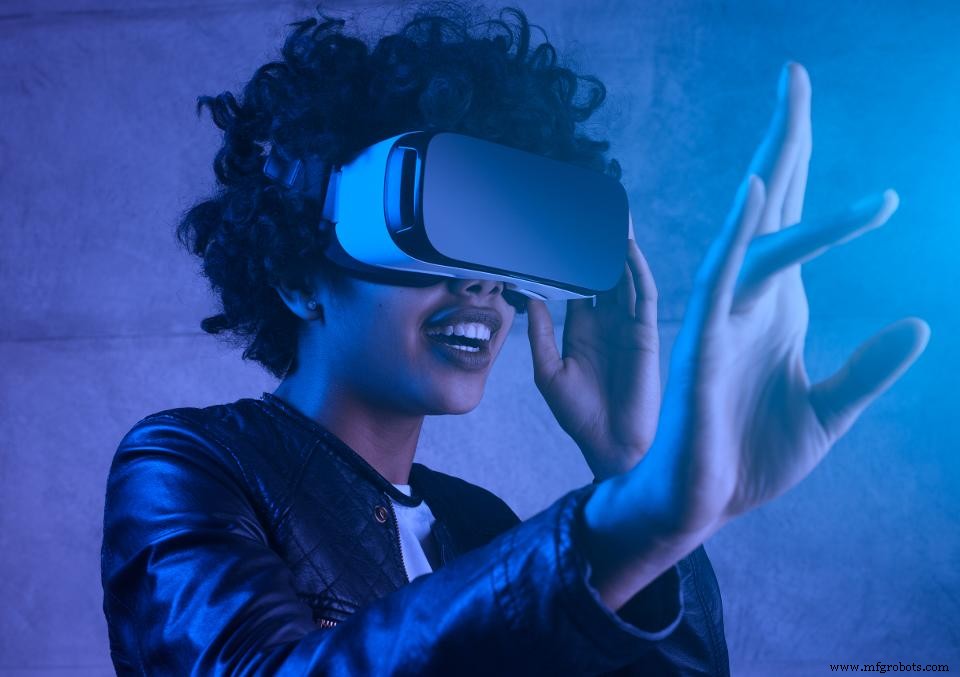 Image Courtesy: Forbes
However they have a number of distinct characteristics that make them different. We’ll be discussing those.
- Virtual Reality
Virtual reality essentially takes the use of computer technology to create a simulated environment in which users are completely immersed. This is one of the most well-known immersive technologies. You can experience VR by using a special VR viewer such as the Oculus Rift, Google Cardboard or Samsung Gear VR.
With VR you can actually move around in the immersive environment and look in every direction as if you were physically present there. VRML (Virtual Reality Modeling Language) is used to create 3-dimensional interactive vector graphics which the user can interact with.
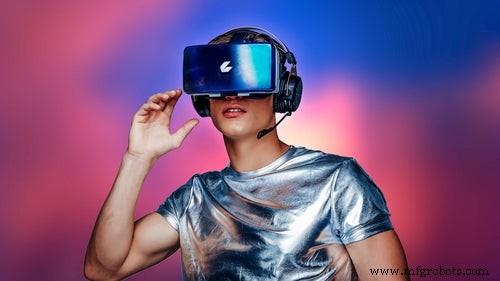 Image Courtesy: entrepreneur.com
While VR was first commonly used for gaming and entertainment purposes, it is now also being utilized in various organizations/industries such as military, healthcare, education etc. And while the benefits are numerous there are a few reported health hazards. For example, people report headaches, eye strain, dizziness and nausea after using VR headsets.
- Augmented Reality
Where virtual reality create an entirely immersive environment, augmented reality enhances the real world with images, text and other virtual information through devices such as smartphones, tablets and AR glasses. AR is basically technology that overlays digital information on the real world. One example is AR apps on your smartphone camera which can add images/text onto your camera view of the real world. 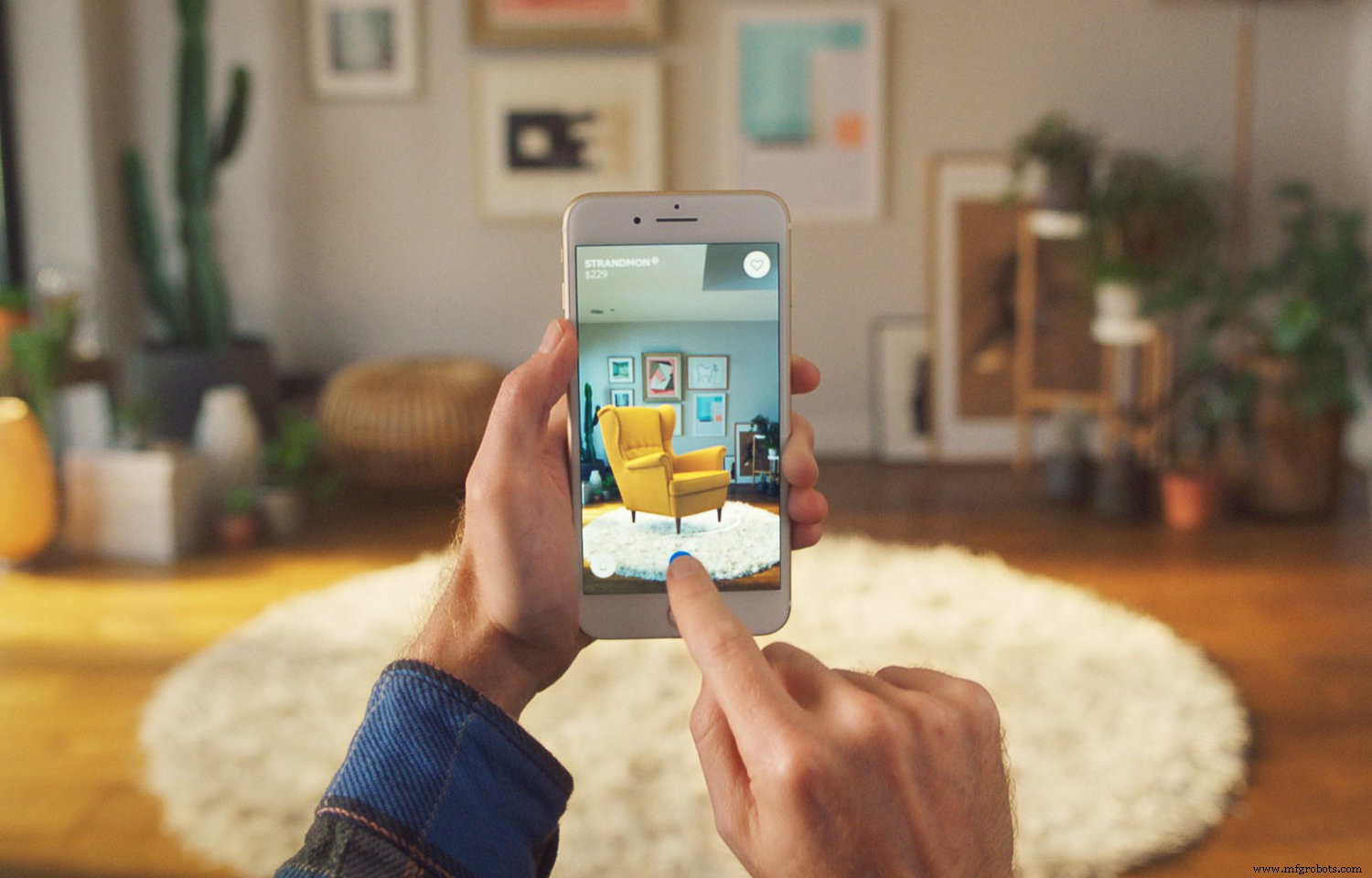
Image Courtesy: indestry.com
Popular apps which use augmented reality include Snapchat and Pokémon GO which gained large traction back in 2016. A number of tech companies such as Facebook and Samsung are also looking into developing AR.
Major Differences between the two
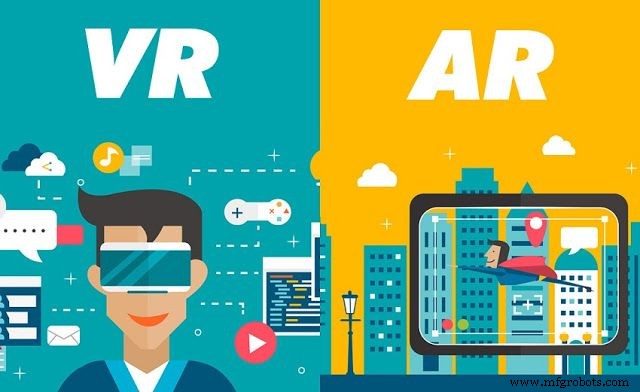 Image Courtesy: aksystemsinc
- Virtual reality creates an entirely new virtual world whereas augmented reality is a mix of the real and virtual world.
- You can easily distinguish between the real world elements and the virtual elements using AR whereas in VR that is highly unlikely.
- They differ basically in the user’s ‘presence’. By using VR the user disconnects from the world around him whereas AR simply alters the current reality for the user.
Applications of Virtual Reality
As stated before, VR saw early uses in gaming and entertainment but is now sought in a number of different industries. For example:
- Virtual reality is being used to conduct military training in different scenarios. They are highly useful so soldiers can train without being physically harmed. The scenarios in this case can easily be redesigned as required.
- Virtual reality is used to engage students in learning by exploring different situations and places that would not be accessible otherwise.
- Virtual reality can be used for organizational training to help employees learn to tackle real-world scenarios.
- It is being used to provide surgery training to medical students.
Applications of Augmented Realty
AR has actually been in use long before virtual reality, following are the applications of augmented reality.
- AR is used in gaming. We’ve already discussed the popular example of Pokémon GO. Harry Potter: Wizards Unite is also a popular AR game.
- AR can be applied for marketing, to create eye-catching campaigns.
- AR technology can be used for shopping i.e. customers can directly buy from magazines and catalogues.
- AR is helping companies visualize components and instructions in real time and so assisting in the manufacturing process. It can also be used to diagnose problems faster.
Cloud Computing- All you need to know | Services | Types | How it Works?
Industrial Technology
- C++ vs Java: Key Differences, History, and When to Use Each
- Augmented Reality: Revolutionizing Manufacturing for Efficiency & Innovation
- Absolute vs. Incremental Movement: Key Differences Explained for Machine Shops
- Understanding Brownouts vs. Blackouts: Key Differences and Business Impact
- Thermoplastic vs Thermosetting Plastic: Key Differences Explained
- Laser Cutting vs. CNC Cutting: Key Differences Explained
- TIG vs MIG Welding: Key Differences & How to Choose
- The Benefits of Augmented Reality in Industry 4.0
- Transistor vs. Resistor: Key Differences Explained
- Steel vs. Aluminum Angles: Key Differences & Choosing the Right Material