



Copper-Clad PCBs Explained: The Role of Copper-Clad Laminate (CCL) in Modern Electronics
There is an increasing demand for thin and ultralight electronic components. As a result, this pushes manufacturers to find a circuit board featuring a substrate with efficient heat dissipation properties. It is where a Copper clad PCB comes in handy.
Check out this guide on copper-clad laminate for more details.
What is a copper-clad PCB?
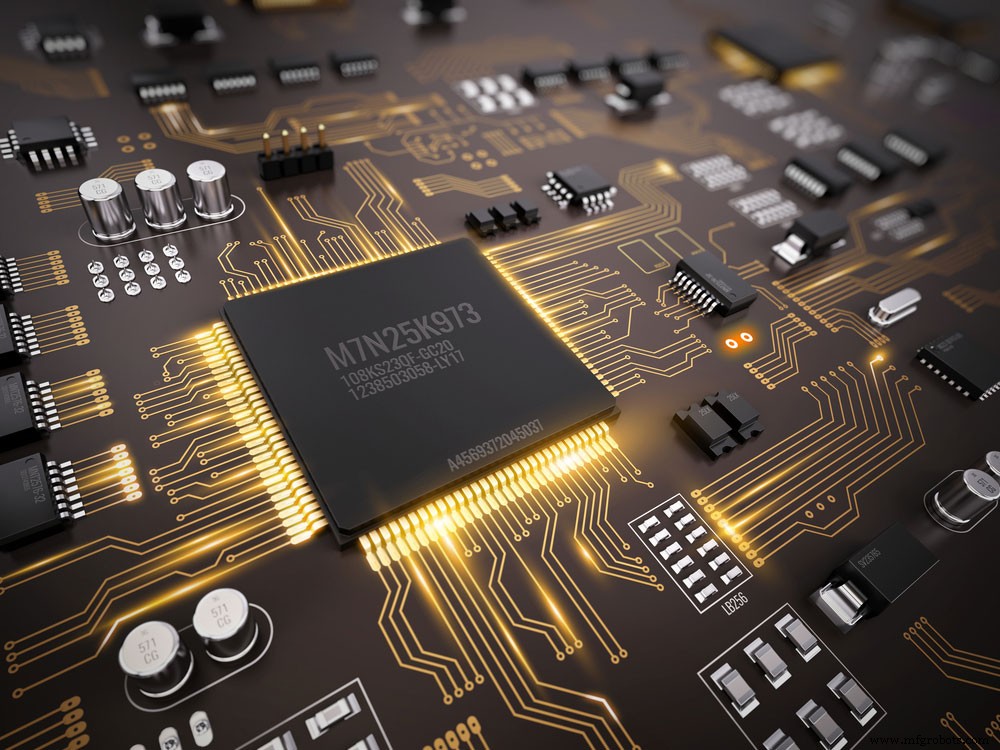
Figure 1: Copper Clad PCB with components
It’s a form of PCB substrate base material, the most commonly used material in circuit board fabrication. Also, you may find some referring to it as metal base CCL primarily.
In principle, it comprises a copper foil presoaked in resin and electronic glass fiber. Then, the resulting laminate/ copper foil is laminated on either side of a reinforcing material forming a protective layer.
Copper clad laminate (CCL) types
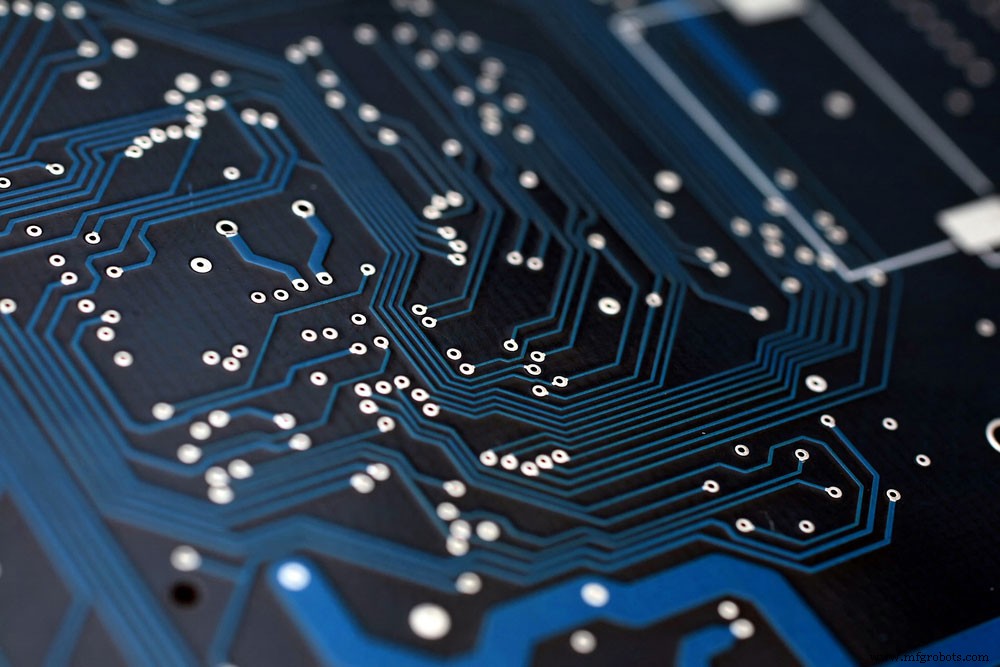
Figure 2: PCB without components
There are different kinds of copper-clad laminates, primarily depending on the mode of classification, as shown below.
Mechanical rigidity classification
Primarily, this class comprises:
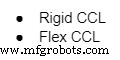
The rigid CCL features laminates such as FR-4 and CEM-1 and is the basis of rigid PCBs. Conversely, flex CCLs are handy in the formation of Flex PCBs. Lastly, the combination of rigid CCLs and flex CCLs is handy in flex-rigid PCBs manufacturing.
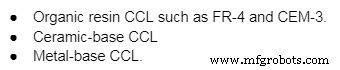
Insulation material and Structures Classification
Primarily, under this category, there are:
CCL Thickness Classification
This class comprises the following:

A standard CCL measures approximately 0.5mm in thickness, while a thin CCL can be relatively thinner than 0.5mm.
Also, note that during resin content calculations, you must exclude the copper foil thickness.
Reinforcing material types Classification
The category includes the following:
- Glass fiber cloth base CCL, e.g., glass-reinforced epoxy laminate FR-4 and FR-5.
- Paper base CCL, e.g., XPC.
- Special material base CCL, e.g., ceramic-base CCL and metal-base CCL.
- Compound CCL such as CEM-1 and CEM-3.
Applied Insulation Resin Classification
Types under this classification include:

Performance Classification
Laminates under this class include the following:
- High heat resistance CCL
- General performance CCL
- Low CTE (Coefficient of Thermal Expansion) CCL
- Low dielectric constant CCL
Copper clad laminate (CCL) materials
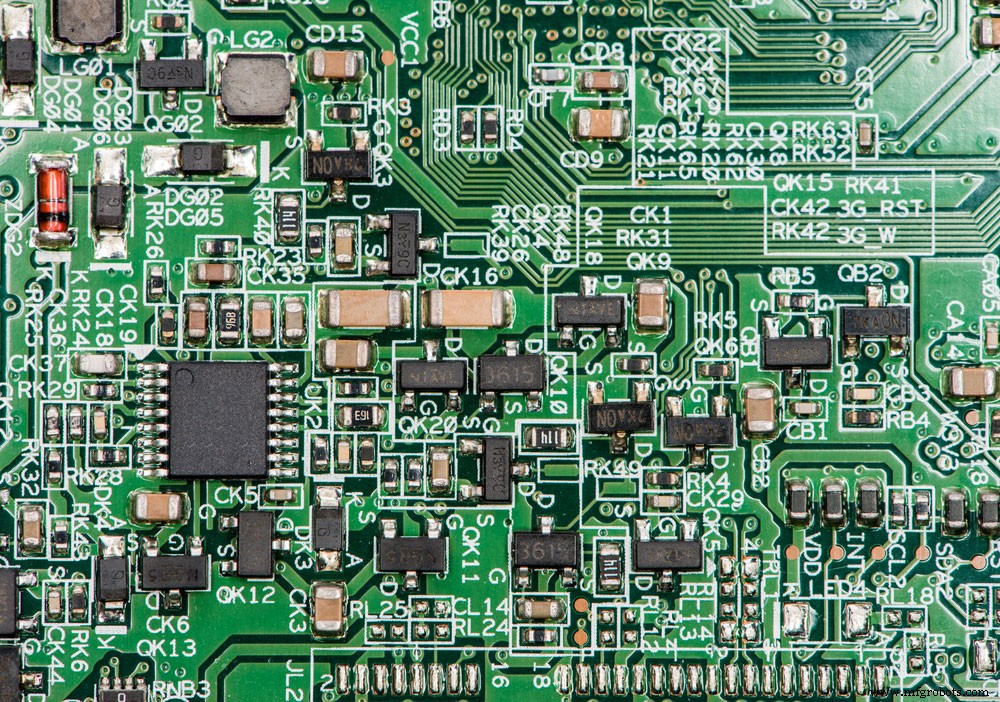
Figure 3: A printed circuit board with Components
There are two primary materials for this kind of laminate that include the following:
Copper foil
The foil is a cathodic electrolytic material that runs as a continuous layer on the PCB base in a copper-clad board. Also, you can easily bond it to an insulating layer. Thus, it is a handy component in making a printed protective layer.
Lastly, the copper foil forms a board pattern after corrosion.
Regarding performance, there are three main groups of copper foils:
- Standard copper foil is useful in paper base and FR4 material PCB boards.
- Also, we have HTE- The foil is essential in multi-layer PCBs for solving the back split ring problem.
- Low profile (LP) copper foil– It’s also valuable for multi-layer PCBs
Prepreg
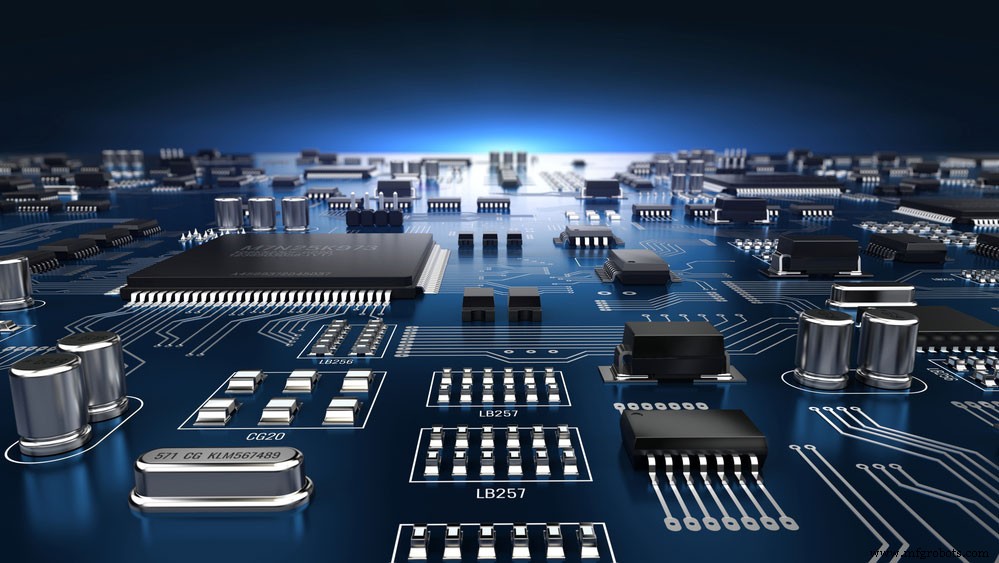
Figure 4: High-tech electronic PCB (Printed circuit board) with processor and microchips
It is primarily a fiberglass material with resin impregnation. During manufacture, the resin goes via a pre-drying process that doesn’t involve hardening. Thus, it maintains its flowing properties.
In addition, there are different prepregs primarily based on their thickness. Also, the Prepreg thickness determines the electric strength, electric performance, and chemical performance of the PCB. The three primary types include:
- Standard Resin
- Medium Resin
- High Resin
Further, we can classify Prepreg in terms of classification standards. Primarily, this includes the following two categories:
Applied resin and performance classification
Under resins, there are five types: Polytetrafluoroethylene resin, Epoxy resin, Polyimide resin, Phenolic resin, and Bismaleimide triazine.
Glass fiber cloth classification
The classification considerations for this category include the following:
- Heat and fire resistance
- Insulation capability
- Intensity
New Trend of CCL
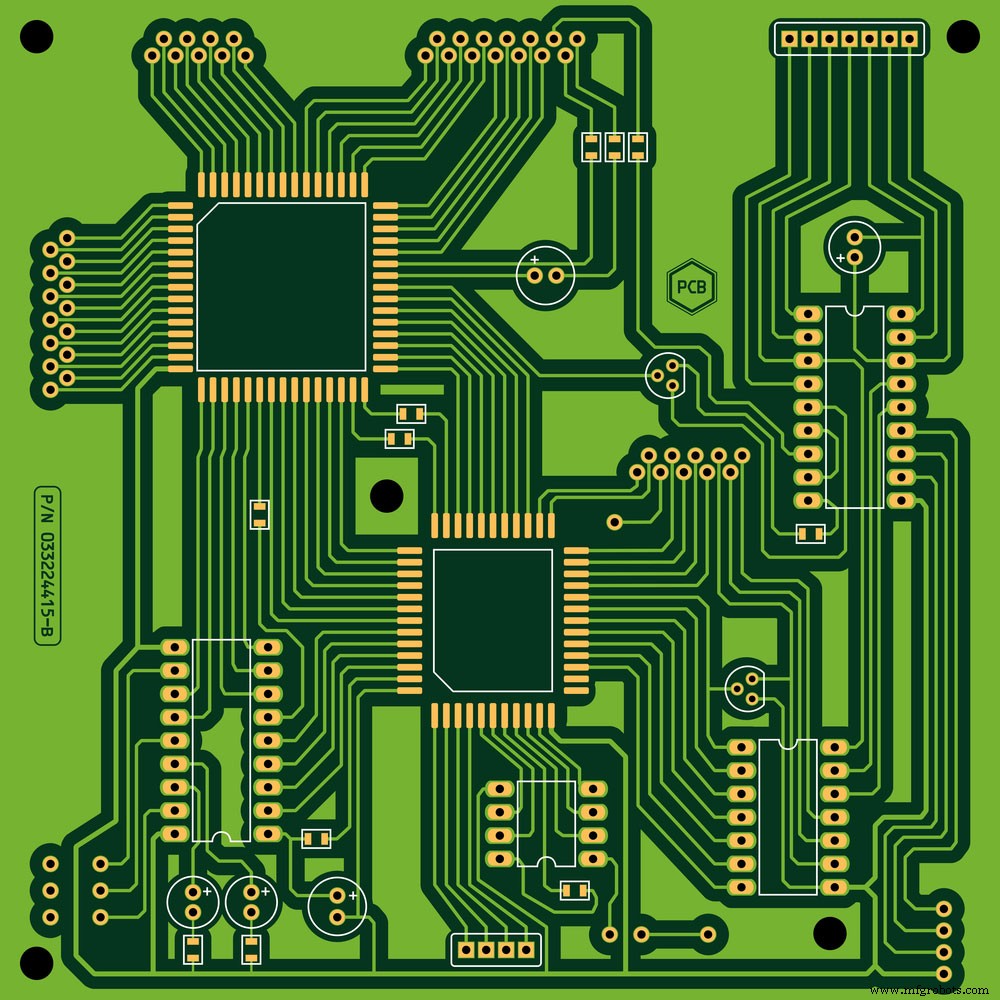
Figure 5: Printed circuit board (PCB) without components
The Restriction of Hazardous Substances (ROHS) demands all CCLs to comply with high standards such as enhanced heat resistance and reliability. Thus, resulting from these demands, we have the following two kinds of CCLs:
Halogen-free CCL
The CCL’s chlorine and fluorine content is below 900ppm, and the halogen content is below 1500ppm. Halogen-free CCLs are better than ordinary FR-4 CCLs regarding their thermal performance and size stability.
Nonetheless, the typical FR-4 CCLs fare better in peel strength and bending performance.
Lead-free CCL
Some copper-clad PCBs’ surface mounting lacks a lead-free solder. Instead, they feature brominated epoxy resin. Also, the ROHS has banned PBB and PBDE in PCBs. Thus Lead-free CCLs are among the contemporary types.
Besides, instead of applying the DICY curing system common in FR-4 CCLs, the Lead-free CCL undergoes the PN curing system.
Conclusion:
Copper Clad PCB is popular for its efficient heat dissipation features and thermal stress resistance, as explained above. Hence, it ranks among the best PCBs in terms of versatility and efficiency. That’s all for today on this topic, but if you have questions, we’re always within your reach.
Industrial Technology
- Copper Brazing Explained: Techniques & Tips for Strong, Reliable Connections
- Understanding Copper-Filled Vias: Their Role and Benefits in PCBs
- PCB Via Tenting Explained: Benefits, Process, and Best Practices
- Understanding PCB Legends: Purpose, Placement, and Benefits
- How Environmental & Manufacturing Factors Damage Flexible PCBs
- Copper PCBs: Enhancing Reliability in PCB Manufacturing
- Pure Copper vs. Oxygen‑Free Copper: What Sets Them Apart
- Oxygen‑Free Copper: Superior Conductivity and Purity for Electronics
- Master Copper Brazing: A Complete Guide to Joining Tubes & Fittings
- Understanding PCB Transmission Lines: Design, Function, and Applications