



Oxygen‑Free Copper: Superior Conductivity and Purity for Electronics
Oxygen-free copper (OFC) describes a group of high-conductivity copper alloys that are electrolytically refined to reduce the oxygen level to 0.1% or lower. These copper alloys are often used in industrial electronics applications because of their high conductivity, chemical purity, and high ductility. Oxygen-free copper grades do not release oxygen or other impurities that could result in unacceptable chemical reactions with other materials during certain electronics manufacturing processes.
Two of the most widely used oxygen-free copper alloys are oxygen-free (OF) and oxygen-free electronic (OFE). Electrolytic-tough-pitch (ETP) copper is also considered an oxygen-free copper, though it has more oxygen content than the OF and OFE grades.
Producing Oxygen-Free Copper
The process of producing oxygen-free copper begins with separating the copper mineral from the ore by crushing the ore into a fine powder and then melting it in a furnace. Impurities are extracted either by oxidizing to vapor or adding fluxes to form slag, which is later removed. Copper castings resulting from that process are then melted and cast in a vacuum, reducing environment, or inert gas atmosphere to produce very pure copper with negligible oxygen content. Regardless of the refining process, all OF, OFE, and ETP coppers contain minute amounts of oxygen.
- Oxygen-free electronic (OFE) or C10100 is 99.99% pure with an oxygen content of 0.0005%. As the purest of the oxygen-free copper grades, it’s also the most expensive.
- Oxygen-free (OF) or C10200 is 99.95% pure with an oxygen content of .001%.
- Electrolytic-tough-pitch (ETP) or C11000 is 99.9% pure with oxygen content varying between 0.02% and 0.04%.
| Characteristics of Oxygen-Free Copper | |
| Cold Formability | Excellent |
| Hot Formability | Excellent |
| Heat Treatability | Used to stress relieve copper and reduce the possibility of cracking or distortion after machining or cold working |
| Machining | Easily machined, especially in a work-hardened condition |
| Corrosion Resistance | High purity (99.99%) of OFE provides the best corrosion resistance of any copper grade |
| Creep Resistance | Best creep resistance of all copper grades |
| Soldering or Brazing | Excellent |
| Welding | Good, when using gas shielded arc |
Oxygen-Free Copper Uses in the Bay Area and Silicon Valley
Oxygen-free copper is used extensively in the San Francisco Bay Area and Silicon Valley for manufacturing electronic parts, components, and assemblies. Typical applications include busbars, conductors, coaxial cables, copper-to-glass seals for appliances, lead wires, microwave tubes, transistor components, vacuum seals, and vacuum tube anodes. Oxygen-free copper has also caught the attention of audiophiles who argue the supposed advantages of oxygen-free copper cables and the better sound that is produced compared to standard copper wire cables because of the improved conductivity. However, this has not yet been proven as fact.
Manufacturing Processes Generate Usable Oxygen-Free Copper Scrap
As a result of these manufacturing processes, significant amounts of copper scrap are generated. Although these manufacturers consider this scrap unusable for additional manufacturing processes in their facilities, the dimensions of these oxygen-free scraps make them ideal for manufacturing, fabrication, or machining projects done by smaller shops.
Usable oxygen-free copper remnants are also cheaper compared to new materials, allowing shops to be more price-competitive and profitable regarding the parts they manufacture or the services they offer. Local metal suppliers who specialize in recycling usable remnants provide a very convenient source of high-quality, affordable oxygen-free copper.
Copper Scrap: We Handle It
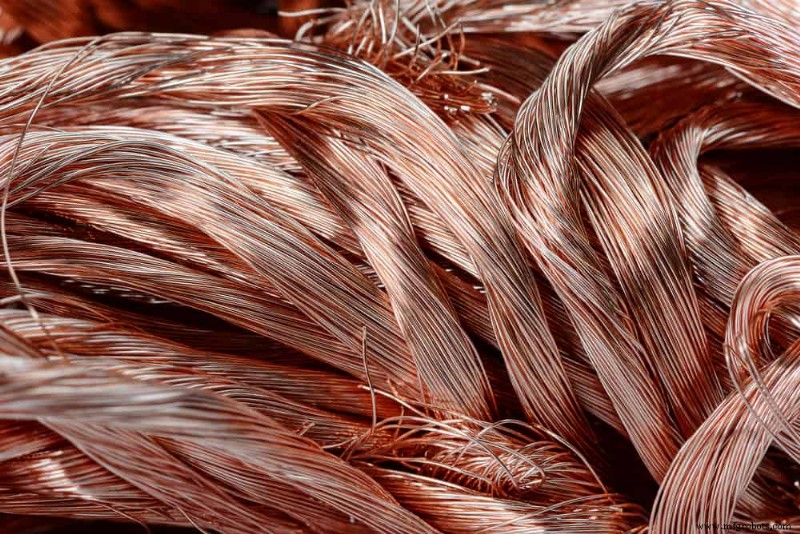
If your company generates significant volumes of oxygen-free copper scrap, whether chips from machining processes, copper wire, or usable copper plate left over from fabrication processes, we’ll handle your recycling needs. We offer customized recycling services based on your scrap volumes and production rates. Containers will be provided for your scrap, and then we’ll handle the pickup and see that you’re promptly paid for it. If you have usable oxygen-free copper remnants, your compensation will be greater.
Copper Supply: We Have It
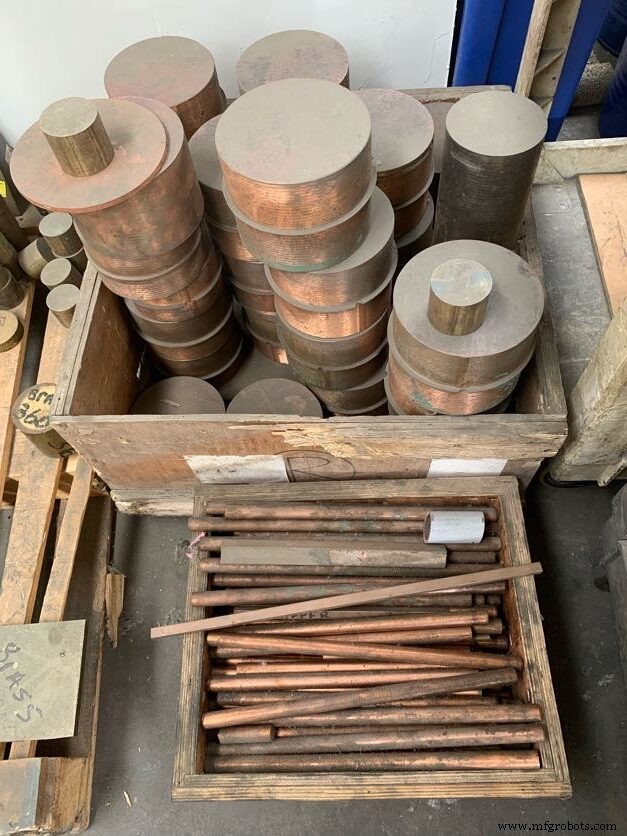 Our “ultimate recycling” approach to finding profitable uses for high-quality copper remnants benefits a growing number of machine shops and fabricators who don’t need new copper. We trim copper remnants into usable pieces that are ideal for special projects or small quantity production runs. Copper remnants are also a very convenient supply for local designers, hobbyists, and architectural fabricators. Buying copper at a significant discount compared to new copper makes this alternative all the more attractive.
Metal
- Choosing the Right Copper Pipe for Gas Lines: Types, Sizes, and Applications
- Copper, Bronze, and Brass: How to Distinguish Between Them
- Key Applications of Beryllium Alloys in Modern Technology
- What Is A2 Steel? A Versatile, Cost‑Effective Tool‑Steel Grade for Industrial and Woodworking Applications
- Copper Brazing Explained: Techniques & Tips for Strong, Reliable Connections
- Understanding Copper-Filled Vias: Their Role and Benefits in PCBs
- Copper-Clad PCBs Explained: The Role of Copper-Clad Laminate (CCL) in Modern Electronics
- Pure Copper vs. Oxygen‑Free Copper: What Sets Them Apart
- Oxygen‑Free Copper: Premium Conductivity and Corrosion‑Resistant Applications
- Master Copper Brazing: A Complete Guide to Joining Tubes & Fittings