



Unlocking Value: Three Key Dimensions of Digital Manufacturing
By John Nanry, Co-Founder and Chief Fulfillment Officer, Fast Radius
Traditional manufacturing methods can be risky: prototyping is time consuming and costly, tooling and set up costs are high, and it’s often necessary to make products in high volume before understanding demand. Fortunately, digital manufacturing technology offers a practical solution to many of these challenges, significantly mitigating the risks associated with traditional manufacturing.
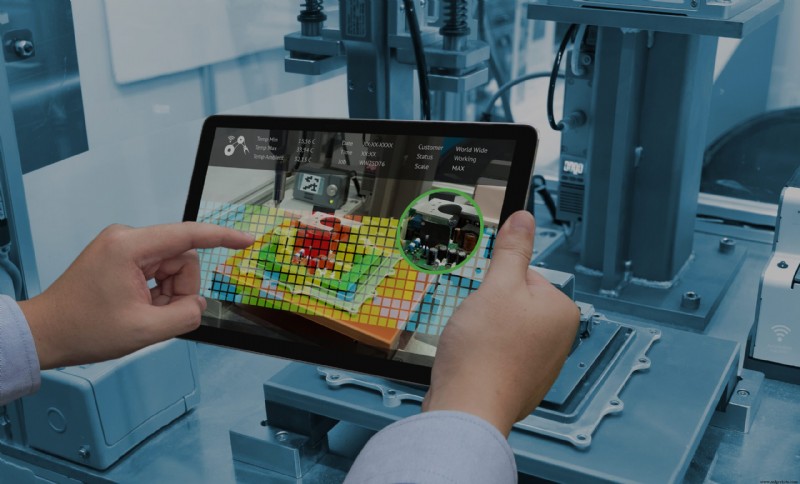
Digital manufacturing is an approach to production, supply chains, processes, and products that’s centered around computing. These technologies link systems to integrate the production process from concept to delivery. Digital manufacturing is a fast and efficient way to transform an idea into a fully functional product.
The key elements of a successful digital manufacturing operation
On-demand digital manufacturing can significantly reduce risk and optimize value. Product teams can test the market, make adjustments, and scale without the risk and costs inherent in traditional mass production. The technology’s potential is demonstrated in its popularity: from 2016 to 2019, worldwide spending on digital manufacturing has increased by 27%.
A successful digital manufacturing operation generally consists of three central foci: the product lifecycle, the smart factory, and value chain management. The product lifecycle encompasses the design phase, sourcing, production, and service life. The smart factory refers to automation within the factory, which includes tools such as smart machines and sensors. Finally, value chain management focuses on minimizing resources and leveraging value at each function along the production chain. Here’s how each of these areas can add value to your business.
The product lifecycle
The product lifecycle begins with an engineering design and follows through sourcing, production, and service life. Applying digital manufacturing technology to the product lifecycle enables teams to collect, store, and process critical data at each step of the production process, leveraging actionable insights to optimize future revisions and streamline operations, resulting in the production of better products, faster.
One of the most obvious benefits of digitizing the product lifecycle is the ability to rapidly prototype. With digital tools such as CAD software, advanced simulation techniques, and IoT-enabled sensors product teams are better equipped to iterate on concepts and optimize designs quickly and adaptively. As a result, teams save on setup, labor, material, and energy costs.
Another example of the digitized product lifecycle can be found in the deployment of automated compliance solutions. These solutions are AI-driven products that simplify essential compliance processes, thereby reducing risk and accelerating time-to-market.
The smart factory
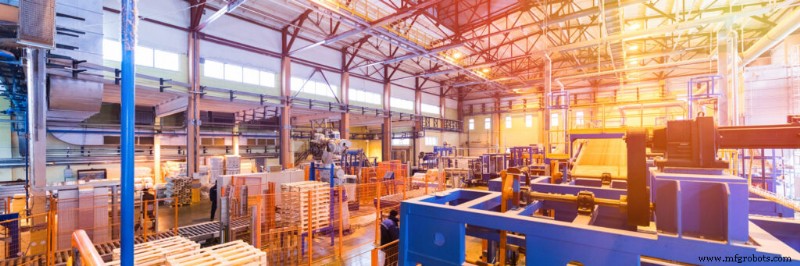
The factory floor is another site where digital manufacturing can add value. The term “smart factory” refers to a network of highly automated operations that are monitored with connected devices to provide greater access to real-time data. With these insights, manufacturers can pinpoint key areas for process improvement.
Further, smart factories elevate on-demand capabilities. With real-time visibility into processes, inventory, and daily operations, greater flexibility and customization are made possible. This increased adaptability creates better customer experiences, as features can be added or removed to fit unique needs, budgets, and specifications. As a result, manufacturers can delight customers with novel products, helping them secure strongholds in competitive markets.
Value chain management
The aim of value chain management is to minimize waste while also unlocking new benefits along the chain. Value chain management paves the way for decreased inventories, optimal process integration, better parts and products, and greater customer and client satisfaction.
By digitizing critical steps in the value chain through application development and deployment — and vertical integration with other existing platforms — manufacturers have the potential to optimize their business models or develop new ones. Further, the horizontal integration of intelligent products and networks creates new value-adding possibilities across the chain.
Ultimately, on-demand digital manufacturing substantially mitigates the risks associated with manufacturing; an unsuccessful product can be scrapped relatively easily and inexpensively, and a successful product can be scaled up to production immediately.
A partner in digital manufacturing
Integrating digital capabilities throughout the product lifecycle, into critical operations, and across the value chain generates new efficiencies that mitigate costs and maximize energy-savings, creates new possibilities for product customization, streamlines compliance, and drives customer satisfaction rates, all of which contribute to better top-line business performance.
Here at Fast Radius, our team of dedicated designers, engineers, technologists, and advisors help customers take full advantage of the benefits of digital manufacturing. Contact us today if you’re ready to discuss how these technologies can transform your business.
Industrial Technology
- Celebrate Manufacturing Excellence—Choose Your Own Day for Manufacturing Day
- Elevate Beverage Production: Factory Automation for Quality, Compliance, and Growth
- Five Digital Solutions That Transform Modern Manufacturing
- Digital Thread Maturity: Unlocking Seamless Smart Manufacturing
- Digital Manufacturing: Transforming Production with Cutting-Edge Technology
- Critical Factors That Influence CNC Manufacturing Costs – Part II
- Unlocking Manufacturing Efficiency: The Tangible Benefits of Digital Twins
- InRiver: Accelerating B2B Digital Commerce in Manufacturing
- Digital Manufacturing: Strengthening Supply Chains Against Disasters
- Understanding Product Manufacturing Information (PMI): The Key to Digital Inspection