



Passivation: The Ultimate Post-Processing Solution to Prevent Rust & Corrosion
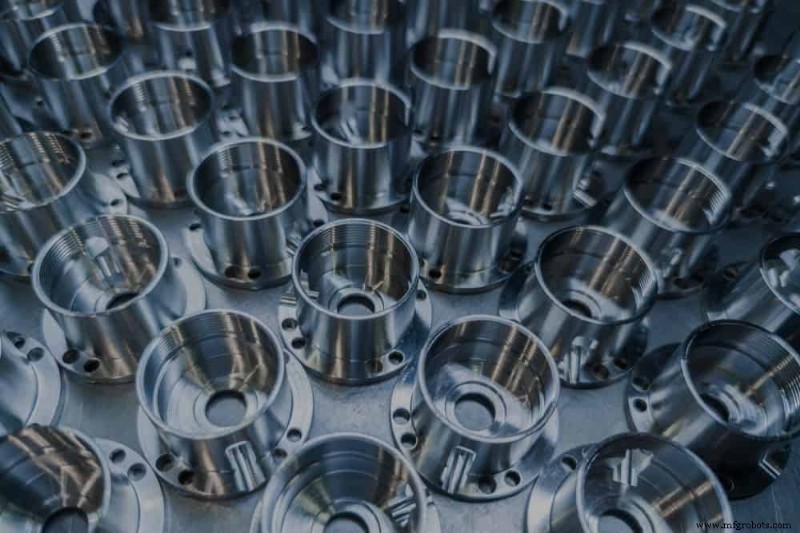
The post-processing stage of a CNC machining project is arguably one of the most crucial, as it preps and puts the finishing touches on your part. There are numerous post-processing options available, and determining which is best for your part depends largely on what material it’s made of and the purpose of the part.
Passivation is one of many final treatment options for materials that can significantly improve the quality and performance of a machined part by creating a protective layer that safeguards the part against corrosion.
What is passivation and how is it used?
Passivation is a chemical finishing process often applied to materials such as stainless steel, but it may also be used on other alloys and metals, including aluminum. After being thoroughly cleaned to remove debris or other potential impurities, an oxidizing agent, typically nitric acid or citric acid, is applied to the material’s surface, creating a passive oxide film that strengthens its corrosion resistance.
While stainless steel is inherently corrosion-resistant due to its higher chromium content than other alloys, it is still susceptible to rust over time, especially if iron contaminants on its surface are exposed to water. This oxidation can create rouging, which displays as reddish-brown deposits on stainless steel. Etching, pitting, and frosting may also be signs of localized corrosion that should be addressed before they cause operational issues.
Passivation can help deter the development of rouging and rust, and when done correctly, it can even be used as a proactive measure to reduce the need for frequent maintenance.
Practical applications of passivation
The passivation of parts used in highly regulated systems in the aerospace and medical industries is vital due to the critical roles these parts often play. When there is little room for error, components must perform optimally, and passivation has a crucial role in enhancing the lifespan and operation of a part.
For example, the pharmaceutical and medical industries operate under strict regulations to ensure patient and product safety. Maintaining a pristine environment and using precise, high-grade tools are of the utmost importance. Therefore, many components must undergo passivation to decontaminate and to guard against rust and other corrosion.
Below are just a few other practical applications where passivation can be used to discourage corrosion:
- Food processing equipment
- Surgical instruments such as stents, forceps, and implants
- Pharmaceutical products such as inhalers
- Motor vehicle parts such as frames, bushings, and cylinder heads
- Electronic and microelectronic components
- Machine parts such as fittings, housing, and suspension arms
Passivation offers a way to control the quality of your end product so you can have confidence in knowing the parts you’re using will last.
Benefits and drawbacks of passivation
Passivation is a practical, precautionary measure that can extend the lifespan of parts and their systems. However, while there are not many, there are a few drawbacks to the passivation process to keep in mind:
- Passivation does not smooth out the metal, so if that is required for the final product, it will need to be addressed prior to treatment.
- Passivation requires a rigorous pre-cleaning process before treatment, which can marginally extend the time to complete the fabrication process.
- Passivation techniques can leave room for error when not applied professionally, rendering the treatment futile.
- If passivating a system regularly as part of a proactive approach to maintenance, downtime must be allotted for treatment application.
The main benefit of passivation is corrosion resistance, but there are a few other additional advantages:
- Passivation offers increased corrosion resistance, leading to longer-lasting machinery that can operate at peak performance for longer periods.
- Passivation reduces the frequency of maintenance as well as the degree of care needed.
- Passivation eliminates surface contamination that can seep into other parts of the system and even contaminate the final product.
- Passivation helps ensure the operating efficiency, quality, and safety of parts and systems over time.
Why passivate CNC machined parts?
Passivation should be considered a post-fabrication best practice for CNC machined parts. While passivation does occur naturally in chromium-rich alloys such as stainless steel, welding, machining, and engraving during the fabrication process can introduce contaminants that compromise the metal. Passivation’s multi-step process involves rigorous cleaning to remove impurities such as free irons that can make the parts susceptible to corrosion.
For heavily regulated industries that require meticulous precision and tighter tolerances, such as the CNC machining of aerospace parts, passivation is not only good practice — it’s essential for increasing the durability, safety, and reliability of components.
Boost your parts’ longevity with passivation
Passivation can be necessary to ensure the resiliency of your parts, systems, and product quality. Working with a team of specialists who understand the passivation process and are meticulous about their services will ultimately determine the effectiveness of your passivated components.
At Fast Radius, we understand that precision and reliability are critical. With our team of experts on your side and advanced digital tools that make manufacturing easier, your parts can go from design to delivery with accuracy and speed. To get started, create an account to put the power of cloud manufacturing at your fingertips or contact us to learn how Fast Radius can optimize your manufacturing operations.
Want to learn more about CNC machining materials, how CNC setups affect project costs, and more? Check out our resource center.
Industrial Technology
- Corrosion Explained: Causes, Effects, and Prevention Techniques
- Passivation for Stainless Steel Parts & Enclosures: Boost Corrosion Resistance
- Optimized Tooling & Machining Strategies for Electric Vehicle Parts
- CNC Machining Excellence: 4 Inspection Techniques & 3 Key Solutions
- Effective Corrosion Prevention Strategies for Lightweight Vehicle Design
- Mastering Post‑Processing Techniques for Injection‑Molded Parts
- Metrology Testing Explained: Ensuring Precision and Reliability in Machined Parts
- Key Advantages of CNC Milling and Ideal Applications
- Anodizing & Plating: Superior Corrosion Protection for Aluminum, Titanium, and More
- Mastering Threading and Insert Installation in 3D Printing: Best Practices