



Ensuring Refinery Safety Through Skilled and Empowered Employees
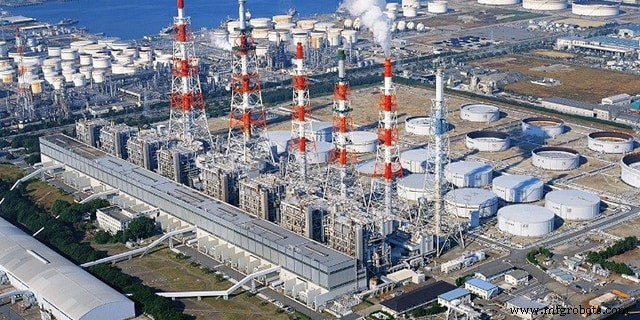
Refinery System Safety Depends on Well-Trained, Empowered Employees
Ken Backus, Field Engineer
High-octane gasoline, plastics and many other everyday necessities are the result of complex processes that take place inside petrochemical plants and refining facilities. Those processes utilize a variety of chemicals and process gases to deliver high-quality end-use products that people depend on around the world.
Refinery process gases can be highly volatile, so keeping them inside the system—instead of leaking into the plant and the environment surrounding it—is critically important. While benign leaks can occur in any plant where a fluid system is operating, the stakes for refinery leak detection are particularly high. One common chemical found in refineries converting crude oil to end-use products is hydrogen sulfide, and managing it can be a challenge for operators. It can be emitted accidentally during storage, transport or processing, putting operators at risk of symptoms ranging from headaches and nausea to death at exposure levels exceeding 700 parts-per-million (ppm). Hydrogen fluoride, an alkylation unit fundamental to making gasoline, is another process chemical that can become problematic. Exposure is typically limited to 3 ppm, and specialized protective equipment and training are required to work in areas where hydrogen fluoride is present due to the significant safety risk it poses.
It is essential to defend against these types of fugitive emissions with proactive process safety management to protect both employees and the communities where they operate. Refinery system safety depends on an ability to identify, maintain and reduce common leak points; the right knowledge and ability to create leak-tight performance; and an empowered team that works together toward safe operation at all times.
Creating Leak-Tight Performance
Operators and employees must adhere to certain fundamentals of assembly and installation to ensure long-term reliability, leak resistance and process safety—especially where dangerous chemicals or gases are involved.
First, most leaks are not the result of a faulty part—they are much more commonly the result of human error that occurs before or during installation, or from poor system design. Some trouble spots Swagelok field engineers tend to observe in the field include:
- Tube support. Fluid systems can be subjected to repeated impulse and vibration, leading to stress on system components and eventually a leak. Appropriate system design can limit the negative effects of impulses and vibration by including proper tube supports that restrict the movement of tubing and fluid components.
- Tube routing and bending. Proper tube routing and bending knowledge results in good design that minimizes the number of individual connections and leak points. Proper tube bending also grants some flexibility during installation, allowing installers to make quality, leak-tight connections. Finally, it improves system maintainability, making it easier to perform repairs quickly and safely.
- Improper tube fitting assembly. Under- or overtightening, failure to check for defects, improper de-burring and other common errors can occur when making a simple tube and fitting connection.
- Tubing materials. Some chemicals require highly corrosion-resistant materials of construction for the safe and reliable operation of equipment. Instead of using 316 stainless steel, depending on the type and nature of the corrosive media, fluid system components made from alloys C-276, 625 or 400 may offer superior performance, longer life and, thus, lower overall lifecycle cost. These special alloys are more expensive, but when refinery safety is at stake, the investment is a necessity.
- Product intermixing. A system utilizing components from different manufacturers can lead to unpredictable performance and potential safety issues. Choosing all components from a single, trusted vendor can eliminate the risk of component incompatibility.
These are fluid system fundamentals that any person working in a petrochemical facility should be familiar with, especially when there are hazardous chemicals at play. Unsure if teams are well-versed in these essential skills? Consider an investment in fluid system training to defend against fugitive emissions and other fluid system leaks. Elsewhere, prefabricated, custom assemblies are another method for operators to ensure quality, performance and fluid system safety.
Maintaining Leak-Tight Performance
Once a fundamentally safe system has been created, ongoing, proactive maintenance becomes just as important as the initial setup.
Accessibility can be a challenge with critical components existing in confined spaces, making it more difficult for technicians to inspect and requiring downtime if a repair is needed. An operator may hesitate as to whether a small issue is worth the loss in productivity—but where fugitive emissions of hazardous materials are concerned, there must be no question. Proactive process safety management comes at a worthwhile cost, and that may sometimes include prolonged downtime.
If proactive maintenance and inspection measures do not catch a leak before it happens, the right refinery leak-detection equipment and suppliers should always be available. There are a variety of methods and products technicians can use to detect leaks manually. Operators should also ensure proper leak detection protocols are followed and take advantage of specialized field services for comprehensive system evaluation.
Well-Trained, Engaged and Empowered
Tubing best practices, fluid system knowledge and proactive maintenance plans are all critically important when it comes to preventing hazardous material leaks and enhancing total fluid system safety. But more important is a well-trained and empowered staff.
Refineries where hazardous process gases are abundant should work to establish a plant culture where everyone is empowered and obligated to speak up if there is a problem. Any person who sees a dangerous situation, especially those working hands-on with the system, should have the authority to halt production. While those decisions can come at a cost, that cost is nothing compared to what may happen if hazardous fugitive emissions result in a significant safety incident. When employees are armed with the right knowledge, are engaged with the organization’s commitment to safety and are empowered, it can make all the difference.
Interested in giving your staff the right tools to operate safely? Swagelok offers a variety of fluid system training courses to enhance your team’s fluid systems expertise.
Industrial Technology
- ISA Releases Updated Third Edition of Control Systems Safety Evaluation & Reliability Book
- Uncovering AI Blind Spots to Enhance Self‑Driving Vehicle Safety
- 4 Key Steps to Safeguard Contract Employees During COVID-19
- 7 Proven Strategies to Elevate Safety on Your Manufacturing Floor
- Windlass Safety Devices: Essential Protective Features for Marine Operations
- Stop! 3 Essential Safety Tips for Overhead Crane Operations
- Cut Costs and Boost Safety: Expert Design Strategies for Gas Distribution Systems
- Oil & Gas Safety Checklist: Secure Your Industrial Fluid Systems
- 7 Essential Tips to Enhance Safety in Industrial Fluid Systems
- Bridging the Manufacturing Skills Gap: Build a Skilled Workforce