



Optimizing Speed, Feed, and Depth of Cut for Precise Hydraulic Component Machining
Hydraulic machines are used on industrial, commercial, and public applications to perform a range of tasks. They are found in heavy equipment, food processing, aircraft, and other equipment. To create hydraulic components, precision machine tools are often used. These consist of machine tools such as CNC lathes.
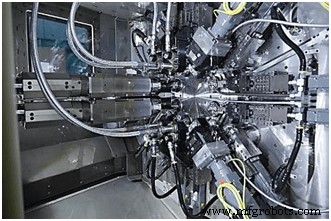
Turning machines used to produce hydraulic parts provide immense benefits. These machines can produce hydraulic parts such as pistons and cylinder assemblies quickly while being cost-effective. The CNC lathe machine works by removing materials from the part at specific speeds as the equipment rotates the workpiece until reaching a specific depth. When creating the workpiece with precision machining processes, common issues such as friction, chip formation, heat generation or conductivity to the metal may occur. These problems may negatively impact the metal’s grain structure to cause damage, creating an inaccurate workpiece.
CNC lathes minimize these issues with preprogrammed parameters that focus on the speed, feed, and depth of cut performed on the part.
Speed, Feed and Depth of Cut
These three parameters focus on how the hydraulic part is cut. Cutting speed represents how fast the metal is removed from the workpiece. Cutting feed focuses on how far the cutting spindle travels across the metal part during one full rotation of the tool. As the cutting tool moves into the metal part, the distance that it moves is the depth of cut. These three parameters ensure accuracy of the finished workpiece and the surface finish.
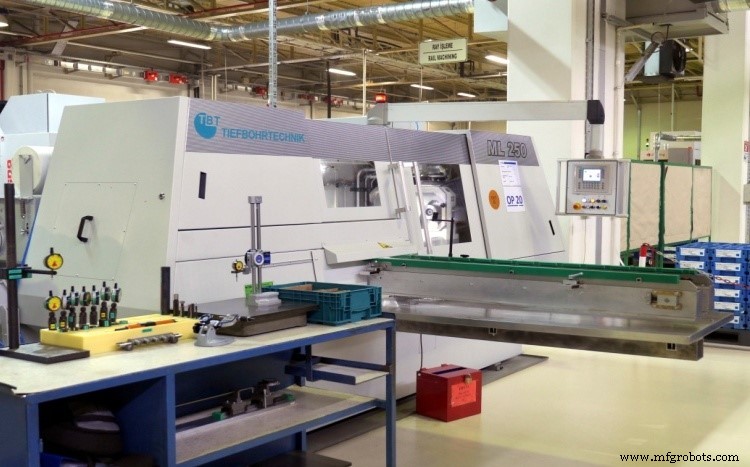
Cutting Speed and Feed Parameters
Determining the cutting speed for the precision machine is based on the peripheral speed of the workpiece when it is fed past the rotating cutting tool. This measurement is shown as feet per minute or meters per minute based on the cutting speed velocity. The cutting feed rate and the cutting speed helps to determine the power requirements of the tool to ensure it is moving at a rate that is appropriately defined based on how much material is cut away in one rotational pass.
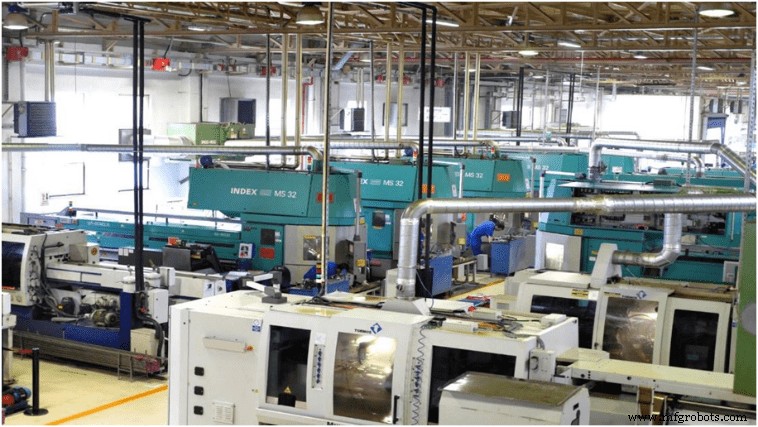
When figuring out these two parameters to preprogram into the CNC lathe, the hardness of the metal and how rigid the workpiece is must be taken into account. If using too high of a cutting speed or feed for a soft metal, the tool may end up removing too much in one pass. Cutting a hard metal at too low of a speed or feed rate may not provide the desired surface finish. One key aspect to keep in mind is that the tool’s speed must increase when the hardness and strength of the metal increases.
Depth of Cut Parameters
The depth of cut parameter focuses on the tertiary cutting motion of the tool as the tool is pushed deeper into the workpiece to the specified depth. This parameter is measured as thousandths of an inch or thousandths of millimeters. The depth of cut will usually vary between 0.1 to 1.0 mm.
The parameter impacts the performance and efficiency of the precision machining process. To select the right depth of cut, the following factors are taken into consideration:
- machining operation
- part material strength
- productivity requirements
- tool capabilities
- surface finish requirements
Significant improvements to the workpiece can be made with the use of a CNC lathe machine. A CNC lathe can make a rougher finish by having the preprogrammed machine lower the depth of the cut parameter. The machine may also remove more materials and speed up the production process with an increase to the depth of the cut parameter.
For more information about machining hydraulic parts, visit Impro.
Industrial Technology
- How Robust IT Systems Drive the Future of Global Supply Chains
- Understanding Cutting Speed, Feed Rate, and Depth of Cut in Machining
- Feed Rate vs. Cutting Speed: Key CNC Machining Parameters Explained
- Automotive Precision Machining: Advancing Vehicle Performance and Reliability
- Unit 2: Speed & Feed – Mastering CNC Machining Efficiency
- Mastering Cutting Speed, Depth, and Feed Rate for Custom CNC Machined Parts
- Key Factors That Influence Tool Cutting Speed, Depth, and Feed Rate on CNC Lathes
- The Critical Role of Custom Cutting Tools in Precision Machining
- Sandvik Coromant: Expert Feed & Cut Depth Recommendations for Finish-to-Rough Machining
- Essential Hydraulic System Components: Their Functions & Importance Explained