



Meeting the Needs of B2B & Industrial Buyers: Expert Strategies for 2024
Whether you’re in sales, marketing, operations, or leadership, your success hinges on understanding the daily challenges of your industrial buyers. By aligning your strategy with their needs, you can drive higher lead volumes and improve profitability.
With over 120 years of experience connecting industrial buyers and suppliers, we’ve distilled the insights from our data and long‑standing relationships into actionable tactics. This guide explains how to anticipate buyer behavior, build trust, and win more business.
Understanding the Industrial Buying Cycle
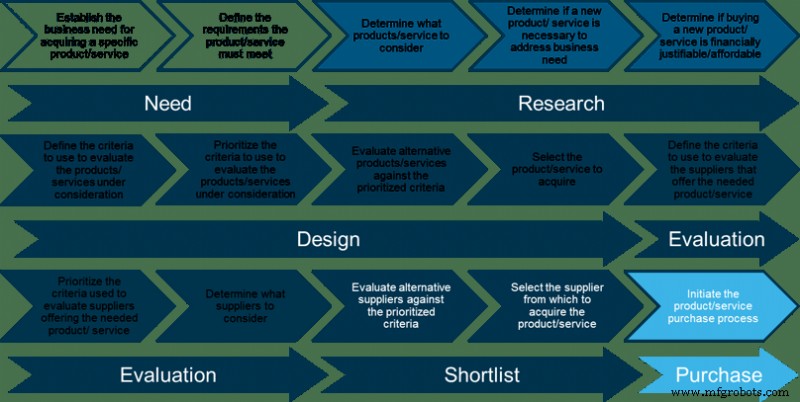
From a supplier’s view, the cycle typically consists of two core stages: a need is identified, and a supplier is sourced. In practice, however, the process expands into six distinct phases:
- Define the need
- Conduct research on potential solutions
- Analyze product data if a new design is required
- Evaluate prospective suppliers
- Shortlist the best candidates
- Execute the purchase with the chosen supplier
Our collaboration with Strategyn uncovered 15 granular steps, and more than 225 micro‑tasks that buyers complete daily. Recognizing this complexity allows you to craft targeted content and solutions.

Be Where Your Industrial Buyers Search
Industrial buyers often start with a niche search rather than a generic web query. For instance, a buyer might navigate directly to Thomasnet.com when they know exactly what they need. To appear in those critical search moments, you must be visible on the platforms they trust.
Online Business Directories
Local buyers rely on business listings to find nearby suppliers. A well‑optimized Google My Business profile, Apple Maps entry, Facebook, LinkedIn, Yelp, and Yellow Book listing can improve your visibility and credibility.
Online Sourcing Platforms
Thomasnet.com is the go‑to marketplace for over a million industrial buyers seeking precise products and services. Listing your capabilities there places you directly in front of the decision makers who initiate their search.
Influence the Buying Process Before the Funnel
Education is the longest, most influential stage of the cycle. By positioning yourself as a trusted knowledge resource—through blogs, white papers, and social media—you establish a relationship before the buyer even identifies a need.
Think of automotive brands publishing repair guides or industry news. Such content keeps the brand top‑of‑mind, so when purchase time arrives, the buyer naturally thinks of that source.
Key content formats include:
- Thought‑leadership blogs that address everyday pain points
- White papers that dive deep into technical challenges
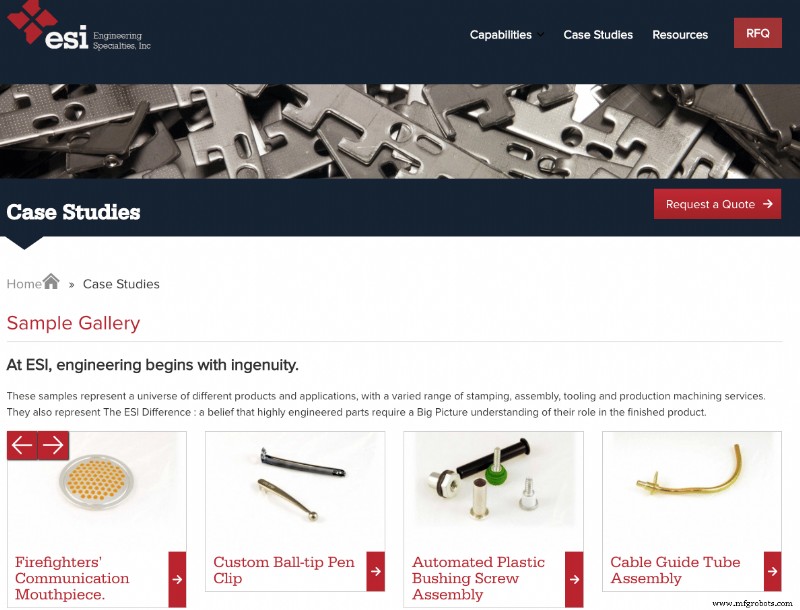
- Case studies showcasing successful partnerships
- News releases that highlight product launches and company milestones
Become a Thought Leader with Blog Content
Address the specific challenges buyers face—troubleshooting, efficiency gains, regulatory compliance—without pushing a hard sell. Include clear calls‑to‑action to guide interested readers toward your next content piece or contact form.
Document Offerings with White Papers
White papers should be unique, expert‑driven, and gated to capture qualified leads. Titles such as “Beginner’s Guide to Sheet Metal” or “7 Tips for Choosing the Right Sheet Metal Supplier” signal authority and relevance.
Showcase Capabilities and Certifications
Detail part dimensions, tolerances, machinery, materials, finishing services, and quality certifications (ISO, AS9100, etc.). Provide downloadable documents to reinforce credibility and reassure buyers that you meet their stringent standards.
Validate Success with Case Studies
Prospective buyers want evidence of industry experience. Display customer logos, quotes, and narrative case studies that illustrate how you solved similar problems for peers in automotive, aerospace, medical, or food‑and‑beverage sectors.
Keep Buyers Updated with News Releases
Regular newsletters—weekly or monthly—maintain engagement and keep your brand top‑of‑mind during the decision period.
Build a B2B Network on Social Media
More than 70% of B2B buyers are millennials who expect a seamless digital experience. Use LinkedIn, Twitter, and industry‑specific platforms to share insights, celebrate milestones, and respond to queries.
Learn What Industrial Buyers Really Seek
During the evaluation stage, buyers look for detailed product data, pricing, lead times, and inventory status. According to a recent survey, 40% of B2B buyers said a supplier’s website is “very important.” One procurement professional highlighted the need for “specifications, pricing, lead time, and stock levels” to ease decision‑making.
For defense or aerospace buyers, accurate data and counterfeit‑free assurance are paramount. Provide performance curves, sizing tables, and infographics to demonstrate how your parts integrate into their projects.
Stand Out on the Shortlist
Speed and efficiency remain critical even after a buyer reaches the shortlist. While price is a factor, buyers prioritize relationships, industry expertise, reputation, and innovation.
Enhance your online presence by:
- Showcasing company history and partnership successes on Thomasnet.com and your website
- Listing key contacts across engineering, sales, and operations with direct contact details
- Publishing facility and shop‑floor videos to convey manufacturing capabilities
- Providing exhaustive product specifications, including secondary services like design assistance, installation, and private labeling
Our guide, How to Get on the Industrial Buyer’s Shortlist, outlines 26 critical elements to optimize your digital footprint.
Closing the Deal: The RFI Phase
The Request for Information (RFI) is often the first direct contact and a pivotal moment to solidify the partnership. Treat it as a keystone—both parties invest time and resources, so it must be handled with care.
Visibility of Contact Information
Every page on your site should feature phone numbers, email addresses, and an RFI link. Keep your Thomasnet.com profile complete and up‑to‑date.
Clear Calls‑to‑Action
Use specific CTAs like “Request My Quote” or “Submit RFI” to increase conversion rates.
Prompt Lead Response
Responding within the first minute can boost qualification rates by up to 150%. Leverage lead‑monitoring tools such as HubSpot or Thomas WebTrax to capture and track buyer activity.
Engage More Buyers with Digital Marketing
Each stage of the buying process presents an opportunity to demonstrate partnership value. Your website should mirror your in‑person sales flow—clear, organized, and content‑rich.
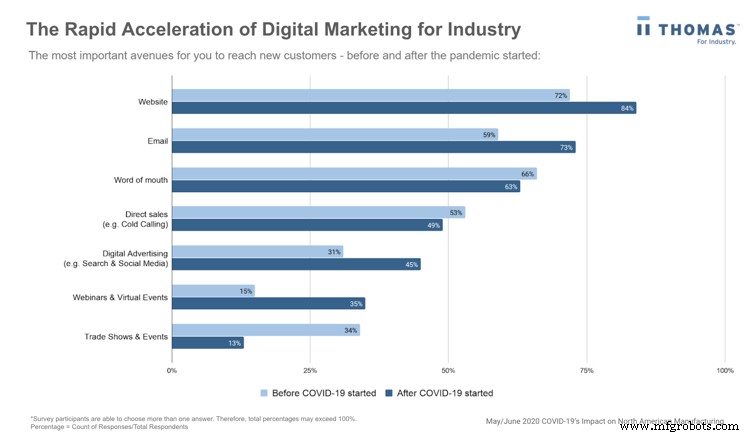
A McKinsey study found that 68% of outperforming leaders combine traditional and digital channels, while an industry survey showed 84% of manufacturers use their websites more to connect post‑COVID. Your growth strategy must be buyer‑centric and digitally focused.
When you provide the information buyers need at each touchpoint, you reduce friction, build trust, and position yourself as the preferred partner. If you’re ready to refine your approach, contact the Thomas team for a free Digital Health Check.
Industrial Technology
- AI Decodes Visual Cortex Neuron Preferences, Revealing How They Choose Images
- Edge Computing: The Next Revolution in Trucking Efficiency
- The Internet of Robotic Things: How IoT and Robotics Are Revolutionizing Each Other
- PI-Hole: Comprehensive Network-Wide Ad Blocking & Privacy Protection
- Top 50 Warehouse Operations Courses & Training Tutorials for Streamlined Efficiency
- Thomas Community: Your Safety, Connection, and Resilience—Stay Protected, Engaged, and Strong
- Comprehensive Guide to Printed Circuit Board Manufacturing Process
- Weld Quality Testing: 10 Common Defects & Detection Tips
- Country Resilience Index 2023: Top Performers and Key Challenges
- Practical Guide to Power Factor Correction in AC Systems