



4 Essential HVAC Preventive Maintenance Practices & Checklist

Updated September 30, 2024
Table of Contents
- 1. Understand the Complete Equipment Specifications
- 2. Develop Seasonal Task Lists
- 3. Cover All Three Major HVAC PM Categories
- 4. Don’t Neglect Continuous Tasks
- HVAC PM Checklist (PDF)
Key Takeaway
Implementing a comprehensive HVAC preventive maintenance program—encompassing regular inspections, seasonal tasks, and continuous monitoring—is essential for extending equipment lifespan, reducing breakdowns, and maintaining optimal performance.
Preventive maintenance (PM) is a cornerstone of proactive HVAC management. By scheduling periodic checks and routine adjustments—such as filter changes—you can cut the risk of major equipment failure by up to 95%.
In this guide, we outline four best‑practice strategies to embed into your PM program and provide an interactive checklist covering all critical steps for both fall/winter and spring/summer seasons.
1. Understand the Complete Equipment Specifications
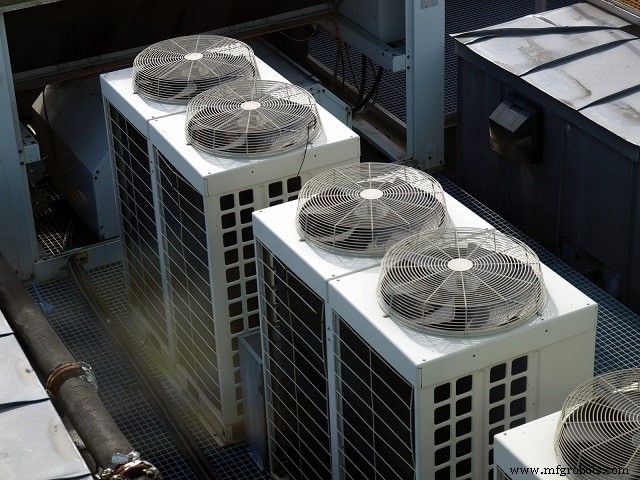
Because HVAC units represent a significant capital investment, maintaining a detailed inventory of components, spare parts, and consumables is vital. Core units typically include a furnace, heat pump, and air‑conditioning system, each with distinct maintenance needs.
Familiarity with a unit’s size, features, and efficiency rating informs optimal operating conditions and a robust PM plan. Key efficiency metrics are:
- SEER (Seasonal Energy Efficiency Ratio) – Ranges from 13 to 21+, with higher values indicating cooler output at lower energy costs.
- AFUE (Annual Fuel Utilization Efficiency) – Expressed as a percentage (80%–100+), higher numbers mean better heating efficiency and reduced fuel consumption.
Want a FREE Asset Management Checklist?
Download our Asset Management Checklist to quickly assess tagging needs and accelerate your maintenance tracking or facility management system.
2. Develop Seasonal Task Lists
Seasonal shifts are the ideal opportunity to conduct HVAC PM. Prior to peak usage, schedule tasks tailored to each season. Industry experts recommend distinct checklists for spring/summer and fall/winter.
Spring/summer tasks should include: replacing AC filters, cleaning condenser and evaporator coils, and verifying fan/motor function. Fall/winter work should focus on inspecting furnace hardware—ignition, burner, and associated safety components.
Segmenting tasks by season ensures timely completion and aligns with energy‑efficiency goals. Complement these with monthly or quarterly items such as filter replacement and carbon‑monoxide detector battery checks.
3. Cover All Three Major HVAC PM Categories
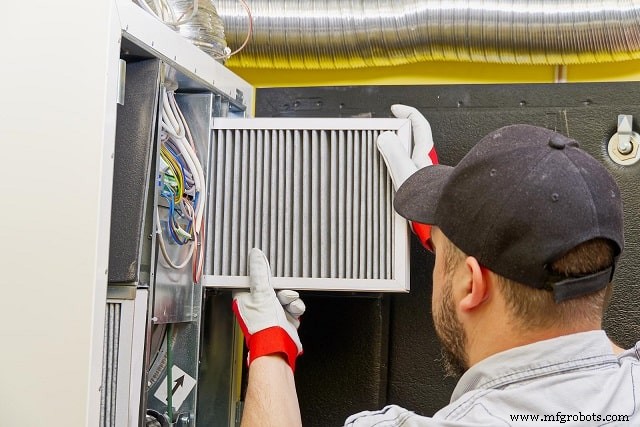
Effective PM covers three critical categories, helping technicians prioritize essential work:
- General Service Checks – Ductwork, electrical wiring, and other infrastructure. Coordinate with facility maintenance to avoid overlap.
- Heating System – Furnaces or boilers, whether electric, gas, or oil‑powered. Inspect consumables, filters, and safety controls.
- Cooling System – Rooftop units (RTUs) with refrigerant coils. Verify coil integrity, refrigerant charge, and motor performance.
Implementing asset tags and integrating them with PM software streamlines work orders, inventory management, and performance monitoring.
4. Don’t Neglect Continuous Tasks
Beyond scheduled checklists, continuous monitoring is crucial. In‑line sensors deliver real‑time data to your maintenance platform, supporting predictive insights. Train staff to perform rapid inspections of ducts, crawl spaces, and exterior hardware—addressing issues immediately saves time and reduces costs.
HVAC PM Checklist (PDF)
Extending HVAC equipment life hinges on disciplined preventive maintenance. Use the following checklist to ensure your system operates efficiently year‑round.
Ready for the interactive checklist? Click below to download the full PDF covering every season:
HVAC PREVENTIVE MAINTENANCE CHECKLIST (PDF)
Industrial Technology
- Why Tungsten Lamps Still Power Automotive Turn Signals
- DARPA Launches MACH Program to Develop Advanced Materials for Hypersonic Vehicles
- Maximize Semiconductor Yields with Optimized Alloy Solutions
- Maximize Production Efficiency with OEE Software: Track & Boost Productivity
- Material Compatibility in Multi‑Material Injection Molding: Expert Guidance for Overmolding & Two‑Shot Processes
- Advanced Strength of Materials: Essential Resource for Engineers
- Harnessing Cost of Quality to Drive Manufacturing Excellence
- pugixml – Efficient XML Parsing with Native XPATH Support
- Hippo CMMS 2017 Highlights: A Year of Growth and Innovation
- Immersion Tin PCB Finish: Reliable, Cost‑Effective Surface Coating